
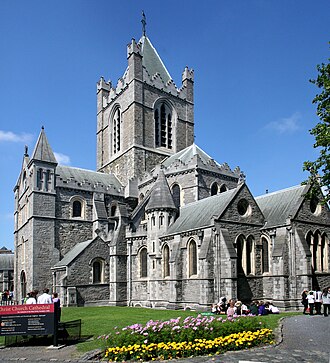
The sound of a bell carries differently through Dublin: over stone lanes, across the Liffey, from churchyards tucked behind Georgian terraces. Those ringing notes have marked time, warned ships and fires, and stitched community moments into the city’s days and nights. They have also fed stories—softly spoken parish legends and, for the more theatrical, claims of ghostly chimes when no hand is visible on a rope. This article traces the documented role of Dublin’s church bells in civic and maritime life, separates archive-grounded fact from folklore, and offers practical, respectful tips for visitors who want to listen for the city’s hidden bell-tower chimes.
Book a Haunted Hidden Dublin walking tour to hear Dublin’s bell-tower stories in person
Introduction: The Hidden Soundscape of Dublin’s Bell-Towers — why bells matter to the city’s history and ghost lore
Bells are not just musical objects; they are acoustic markers of civic order. In Dublin the tone of a bell once regulated work hours, summoned parishioners, and called volunteers to urgent tasks. Over time those practical functions layered with personal memory and myth-making. A bell’s sudden toll after dusk, or an unexpected peal during fog, is readily framed as eerie. For visitors interested in both sound and story, understanding what bells did—and how people interpreted them—helps separate the recorded past from things amplified by imagination.
How Church Bells Shaped Dublin’s Acoustic History
Across Dublin, church bells have had clearly documented roles that shaped urban life. Before public clocks were ubiquitous, parish bells regulated daily routines: signalling the hour for market openings, marking curfew or curtailing night work, and calling communities to worship. Bells also served as warnings—alarms for fire, flood or invasion—reaching neighbourhoods faster than messengers could.
Maritime connections are equally practical. Dublin’s river and port meant that certain towers used bells to communicate weather changes or to coordinate pilot boats. The pattern and number of strokes could convey different messages to crews at anchor, and that code became part of local knowledge.
Technological changes over time—improvements in metallurgy, the adoption of tuned rings and the introduction of clockwork striking mechanisms—altered how bells sounded and how often they rang. Many towers once relied on manual bell-ringing teams; later, mechanical hammers and electrical systems standardized peals. Those shifts affected the acoustic character of neighbourhoods and the human experience of hearing bells: irregular, hand-rung sequences suggested human agency; mechanical regularity sounded civic and impersonal.
Folklore vs Fact: Spectral Chimes and Local Legends
Oral tradition loves a good auditory mystery. Claims of “spectral” chimes usually fall into a few repeatable patterns: a bell toll heard when no service is scheduled, a peal that coincides with an old death or accident, or a bell-like sound reported during storms. These reports are culturally meaningful, but they rarely map cleanly to verifiable events.
Folklore develops where gaps in documentation exist. A bell heard at midnight may be an automatic clock striking, a remote tower’s signal carried on wind, or an echo from distant rehearsals. Wind, atmospheric conditions and the city’s architecture can bend and carry sound in deceptive ways. Distinguishing legend from record involves checking parish schedules, maintenance logs, and the physical status of bells. Where those records are silent, local anecdotes fill the void—and that is how hauntings are born.
It’s important to respect both strands: the archival facts that tell us what bells were for, and the folklore that tells us how people felt about those sounds. Both give insight into Dublin’s human landscape.
Churches with Notable Bell-Tower Stories in Dublin
Certain towers attract more reports simply because they are audible over larger parts of the city or are built in evocative settings. Visitors often mention isolated peals near quiet graveyards, the low, sonorous tolling from a Georgian spire, or a sudden, single stroke that seems to answer a question posed in the street. Many such anecdotes are charming but unverifiable.
When assessing these stories, consider the documented status of each tower. Some churches maintain regular ringing schedules and have active bell-ringing societies. Others are closed for repairs or have bells that operate on timers. Where possible, local parish notices or on-site information will clarify whether a chime is programmed or human-activated. If a tower is silent on the records, that makes a “mysterious” toll more intriguing—but not necessarily paranormal.
For broader context on how urban sounds contribute to reported hauntings, readers find linked neighbourhood narratives useful. An account of interior apparitions in residential stairwells complements street-level sound lore: see Apartment Block Stairwell Apparitions: Dublin Resident Reports. Student neighbourhood stories often blend late-night life with architectural acoustics—read Student Accommodation Ghost Anecdotes Around Dublin Colleges. Historic public spaces and buildings can intensify legends; examples include Victorian washhouses and cinema hauntings—see Victorian Washhouses & Bathhouse Apparitions in Dublin and Old Picture-House Hauntings: Dublin Cinema Ghosts Walk.
Best Times & Spots to Hear the Chimes
Timing matters. The clearest bell sounds arrive when ambient noise is low. Early morning and late evening—outside rush hours—are prime. Sundays and religious feast days produce scheduled peals, so if your goal is to hear a full ring, check parish service times. Some towers ring on civic occasions; these are often advertised locally.
Where to stand: open squares and courtyards aligned with a tower’s face give direct sound. Narrow streets can channel and sometimes amplify a bell’s tone. Waterfront areas let lower frequencies travel further, so a mellow bourdon may be clearer by the river. Be mindful that sound travels unpredictably; a chime you hear in one lane may originate from a tower blocks away.
If you hope to hear the elusive “spectral” chime, remember that atmospheric conditions—wind, humidity and temperature inversions—affect audibility. No method guarantees an uncanny experience, but quiet patience and a good listening position increase the chance of catching unexpected sounds.
How to Listen and Record: Practical Soundscape Tips for Visitors
You don’t need specialist gear to appreciate bell acoustics, but a few simple items improve the experience. A smartphone with a reliable recording app is sufficient for casual documentation. If you want clearer field recordings, a small external microphone that clips to your device will capture more detail and less wind noise.
Set recordings to a high sample rate if available, and monitor levels to avoid clipping during loud strikes. Use headphones to focus on overtones and reverberation that are lost in ambient noise. When positioning, allow some distance from immediate reflecting surfaces—too close to masonry can muffle the bell’s richer harmonics.
Adopt listening techniques used in acoustic ecology: close your eyes, take several deep breaths, and identify layers—direct bell strike, echo, distant tower, environmental sounds. Take notes on weather and time; these contextual details matter if you compare recordings later.
Responsible Visiting and Etiquette
Bells belong to communities. Many churches remain active places of worship and care. Respect service times and posted access restrictions. Do not attempt to enter a tower or climb any restricted stairwell without explicit permission. Bell-ringing chambers can be hazardous: narrow stairs, steep ladders and moving ropes pose real risks.
Keep quiet in churchyards and do not disrupt services or mourners. If you want closer access, contact the parish in advance; many parishes will accommodate respectful visitors or allow supervised visits during off-peak hours. For groups or special access, consider a private booking—see our group tours page for options.
Plan a Bell-Chime Walk with Haunted Hidden Dublin
A guided walk balances the historical and the atmospheric. On a Haunted Hidden Dublin bell-chime walk, expect a curated route that moves between audible vantage points, short contextual talks on bell technology and civic uses, and attentive listening pauses. Guides explain which sounds are likely historic, which are modern mechanisms, and which belong to oral tradition. Tours also follow respectful visiting practices and liaise with parishes when closer access is possible.
Recommended route ideas include a riverside stretch to catch low, resonant tones; a Georgian quarter where narrow streets shape echoes; and a quieter parish green where scheduled chimes are best heard. The walk is designed for curious visitors who appreciate both documented history and local legend.
Book a Haunted Hidden Dublin walking tour to hear Dublin’s bell-tower stories in person
For private groups, bespoke routes or corporate outings that want a focus on soundscape and heritage, we offer tailored options. Contact us for group bookings and itineraries: Book a Haunted Hidden Dublin walking tour to hear Dublin’s bell-tower stories in person (private groups).
For operators and researchers interested in how to present such material responsibly, practical guides on pricing and running thematic ghost walks are available: How to Price Ticket Tiers for Small Dublin Ghost Walks — Practical Guide for Operators.
FAQ
Are the ‘spectral’ bell chimes real paranormal events or local folklore?
Most reported ‘spectral’ chimes are best understood as folklore layered onto acoustic phenomena. Atmospheric conditions, echoes, distant towers and mechanical bells can create surprising auditory effects. Without corroborating parish records or physical evidence of an unmanned bell suddenly ringing, these accounts remain anecdotal and culturally meaningful rather than proven paranormal events.
When is the best time to hear Dublin church bells and their unique tones?
Early morning and late evening offer quieter ambient conditions and better chances to hear distinct tones. Sundays and feast days produce scheduled bells; civic occasions and maritime signals can also result in notable peals. Check local parish notices for exact times when possible.
Can I go inside bell-towers to listen up close, and are they safe for visitors?
Access varies by church. Many bell towers are restricted for safety reasons because of narrow staircases, moving ropes and heavy equipment. Never enter a tower without permission. Parishes sometimes allow supervised visits or guided-group access—contact the church or book a guided tour that includes arranged access.
Do you offer private or bespoke tours focused on bell-tower soundscapes?
Yes. We run public Haunted Hidden Dublin walks and can design private or bespoke tours for groups who want an extended focus on acoustic history and listening experiences. For private bookings and group options, visit our group tours page to enquire and reserve a tailored itinerary.