
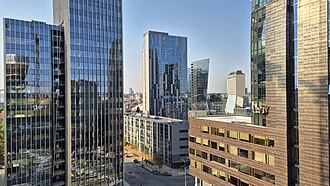
Apartment Block Stairwell Apparitions: Dublin Resident Reports
Reports of “stairwell apparitions” in Dublin apartment blocks combine urban folklore, lived experience and a handful of verifiable historical threads. For visitors and curious residents alike, understanding what people mean by the term — from a shadow at dusk to repeated noises between floors — is essential to appreciating the city’s story while behaving responsibly on private property.
Book a Haunted Hidden Dublin tour to explore related sites and learn responsibly: https://www.hiddendublintours.com/tours/
What people mean by “stairwell apparitions” — scope and why it matters for visitors
“Stairwell apparitions” is an umbrella term used by residents, journalists and tour-goers to describe encounters in communal circulation spaces: staircases, landings and entrances inside multi-unit buildings. Reports vary widely in character and credibility, and the phrase covers everything from fleeting silhouettes to recurring sensations such as cold drafts or the smell of tobacco where no one is smoking.
For travellers this matters because stairwells are often shared, private or semi-private spaces. Curiosity is understandable, but so are concerns about safety, privacy and the accuracy of stories passed along without context.
Building types and contexts: where Dublin reports commonly arise
Patterns in reports often align with building type. Different eras and construction styles create distinct atmospheres and histories that shape resident narratives.
Older tenement conversions
Former tenements that have been subdivided or converted into modern apartments retain layered histories. Original communal stairwells, narrow lightwells and shared landings can feel enclosed and echo-prone — conditions that encourage stories. Many such buildings have documented institutional histories that are worth checking in local archives or historic housing records.
Victorian and Edwardian blocks
Mid- to late-19th-century blocks often feature ornate staircases, high ceilings and thick timber — architectural details that create atmosphere. If you’re interested in how social history intersects with reported hauntings, pieces such as our article on Victorian washhouses and bathhouse apparitions provide useful context about how built heritage shapes legend: Victorian Washhouses & Bathhouse Apparitions in Dublin.
Modern apartment complexes and student accommodation
Contemporary blocks, including student housing, bring different dynamics: thin walls, automated lighting and dense occupancy. Shared communal life in those buildings yields many anecdotes — see our overview of student accommodation ghost anecdotes around Dublin colleges for patterns specific to that demographic: Student Accommodation Ghost Anecdotes Around Dublin Colleges.
Folklore vs. documented history: how to separate legend from verifiable fact
Distinguishing folklore from documented history is central to responsible tourism and research. Three practical steps help: consult archival records, treat oral testimony with context, and avoid repeating unsourced claims as fact.
Archival materials — property deeds, census entries, newspapers and municipal records — can confirm whether particular incidents, institutional uses or deaths occurred in a building. Oral history is valuable but selective and subjective; it records memory, not always objective chronology. When in doubt, make a clear distinction in your notes or storytelling between “reported by residents” and “documented in historical records.”
If your interest is also in guided storytelling or heritage interpretation, read how small operators price and structure ghost walks to balance curiosity and accuracy: How to Price Ticket Tiers for Small Dublin Ghost Walks.
Patterns in resident reports: recurring themes without attribution
Across Dublin, certain motifs reappear in accounts of stairwell phenomena. These recurring elements don’t prove anything inherently supernatural, but they are useful to note when evaluating reports.
- Visual sightings at transitional light: many reports occur at dusk or when lighting changes, a time when peripheral vision and shadows can play tricks.
- Auditory impressions: footsteps when a stairwell seems empty, muffled voices, or sudden silences between floors.
- Thermal sensations: sudden feelings of chill or warmth in specific spots, often linked to drafts, poor insulation or airflow patterns.
- Olfactory cues: unexpected smells such as tobacco, perfume or burning that some associate with presence but which can originate from plumbing, vents or neighbouring flats.
- Repeated encounters localized in a spot: multiple people report similar experiences at the same landing or stair — useful as a sociological pattern, though it may reflect shared expectation as much as shared phenomenon.
Practical safety, privacy and legal considerations
Visitors and amateur investigators should prioritise safety and legality. Stairwells are often part of private property or shared under tenancy agreements. Trespass, disruptive behaviour or uninvited entry into residents’ homes can have legal consequences.
Key considerations:
- Access: Always treat stairwells as private unless clearly open to the public. Ask permission from building managers, landlords or resident committees before entering.
- Safety: Stairwells can be poorly lit, slippery or insecure. Never undertake investigations alone in unfamiliar buildings, and bring a charged phone, torch and a companion.
- Photography and recording: Respect local privacy rules and signage. Many buildings prohibit photography; landlords and residents have rights over images taken on private property. If in doubt, ask for written permission.
- Noise and disturbance: Late-night visits, loud equipment or repeated visits can distress residents. Consider the impact on neighbours before planning any activity.
Responsible investigation: how to record observations and what counts as credible evidence
Responsible inquiry combines good note-taking, corroboration and an openness to non-paranormal explanations. Treat any claim as provisional and aim to build a reliable record.
Practical steps for documentation:
- Record time, date, weather and lighting conditions. Environmental context helps later analysis.
- Note exactly where an event occurred using floor and landing references, not just vague descriptions.
- Ask for corroboration from independent witnesses when possible; separate testimony recorded immediately after an event is stronger than recollection days later.
- Use basic environmental measurements: photograph the scene from multiple angles (with permission), note drafts, temperature differences and sources of ventilation, and record background noise.
- Keep an open mind about mundane causes: acoustic echoes, building subsidence, thermal movement and electrical faults can all produce startling effects.
If you believe an event suggests a safety risk — exposed wiring or structural failure — contact the landlord or local authority. For folklore, oral history or social-interest leads, community historians or local libraries can help corroborate narratives without exposing residents to unwanted attention.
Where to learn more with Haunted Hidden Dublin
Haunted Hidden Dublin builds narratives that separate verifiable history from folklore and legend while prioritising respect for communities. Our public routes include curated stories about urban hauntings, architecture and social history; one example explores cinema legends on a themed walk: Old Picture-House Hauntings: Dublin Cinema Ghosts Walk.
For groups seeking a focused experience — perhaps a client event, student group or academic visit — we offer private tours tailored to interest and sensitivity. Learn more about private-group options and booking at: https://www.hiddendublintours.com/group-tours-dublin/
Practical tips for visitors
- Join a guided tour rather than entering unknown buildings alone. Guides know where to look, what is public, and how to interpret stories responsibly.
- Record responsibly: ask permission, avoid intruding and keep devices unobtrusive.
- Carry basic safety gear and be mindful of local regulations and signage.
- Keep a log of what you observe and separate raw data from personal interpretation.
If you want to explore related sites and learn how history, architecture and oral tradition combine to create Dublin’s ghost stories, Book a Haunted Hidden Dublin tour to explore related sites and learn responsibly: https://www.hiddendublintours.com/tours/
For organisers or groups looking to book a bespoke experience that delves deeper into building histories and resident narratives, consider our private-group tours: https://www.hiddendublintours.com/group-tours-dublin/
Further reading and professional contexts
If you’re involved in guiding, community heritage or running themed walks, resources on funding and structuring tours can be useful. We offer practical guidance that balances commercial necessity with ethical storytelling: Funding Dark-History Tours in Dublin.
Remember: good interpretation is clear about the line between documented history and tradition. Where possible, consult local archives and community groups rather than relying solely on second-hand anecdotes.
FAQ
Are stairwell apparitions in Dublin apartment blocks real or just folklore?
Many reports are part of living folklore — personal experiences and shared stories shaped by building character and community memory. Some claims may coincide with verifiable historical events, but “apparition” as an objective category typically lacks consistent, independently verifiable evidence. Treat each case on its merits: document, corroborate and check archival records before drawing conclusions.
Can tourists legally access apartment block stairwells to investigate reported apparitions?
Generally no, unless the stairwell is explicitly public. Most stairwells are private or communal spaces under tenancy or management control. Ask permission from building management or residents before entering, and respect “no photography” or “staff only” signs. Unauthorised entry can be considered trespass.
How should I document or report a sighting while respecting residents’ privacy?
Prioritise consent. If others are present, ask if they’re willing to be interviewed and obtain permission before recording or photographing. Record neutral facts first: time, location, lighting, temperature and witnesses. Share findings with local heritage groups or building managers rather than broadcasting identifying details that could disturb tenants.
Does Haunted Hidden Dublin include apartment stairwell stories on its public or private tours?
Our public tours focus on sites where stories can be told without infringing on private property or resident privacy. We discuss apartment-related narratives in a historical and cultural context rather than promoting unauthorised visits. Private tours can be tailored to include deeper discussion of building histories when access and consent are arranged in advance; see our group bookings page for details: https://www.hiddendublintours.com/group-tours-dublin/