
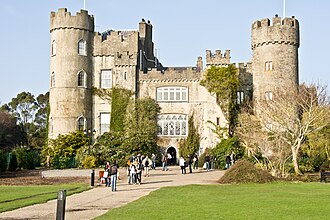
Dublin Castle: Shadow Sightings and Strange Footsteps — History, Eyewitnesses & Tour Tips
Dublin Castle has long been a focal point for stories that sit on the border between history and the uncanny. Its layered architecture—medieval undercrofts, Georgian state apartments and later Victorian additions—creates the kinds of corridors, stairways and shadowed rooms where a passing silhouette or an unexplained set of footsteps is easy to notice and hard to forget. This article examines the castle’s documented past, separates eyewitness accounts from folklore, offers plausible natural explanations, and gives practical advice for visitors and tour groups who want to explore the castle’s whispers with care and curiosity.
Book a Haunted Hidden Dublin walking tour to explore Dublin Castle’s shadows, stories and history.
Why Dublin Castle draws shadow sightings and footsteps stories
The castle sits at the heart of Dublin’s civic life and its politics; that history brings with it strong human stories, some tragic, some mundane. Buildings that have hosted centuries of public life collect sensory residues—creaks, drafts, echoes—that visitors interpret through the lens of memory and expectation. Add to that the castle’s public ceremonies and its role in Ireland’s colonial and administrative history, and you have a place where both documented events and local imagination meet.
A brief, documented history of Dublin Castle relevant to hauntings
Dublin Castle originated as a Norman foundation and evolved over many centuries. It served as the seat of English, and later British, administration in Ireland for a long period, and later became an important centre for Irish state ceremonial life. The complex includes medieval undercrofts and remains, Georgian and Victorian additions, and areas once used as barracks, administrative offices and chapels. Those changing uses and alterations mean the castle contains older spaces that may feel out of time alongside newer, carefully restored rooms.
Reported phenomena: where sightings and footsteps are said to occur
Reports concentrate in a few distinct zones: the State Apartments with their long, quiet corridors; older service staircases and former barracks areas; and the medieval undercrofts and crypt-like spaces beneath the surface. Accounts mix observations of moving shadows, peripheral silhouettes and the sound of footsteps when no obvious person is nearby.
Eyewitness testimony (what visitors and staff typically describe)
When contemporary visitors, guides or staff describe experiences, they tend to use similar language: a movement seen from the corner of the eye, a shadow crossing a corridor, a soft echoing of footsteps where none seem to be present, or a sudden drop in temperature. Guides often report that visitors are more likely to notice these things during quieter hours or in rooms with low light. Staff may note unexplained noises in empty wings during off-hours, but almost always frame them as puzzling rather than sensational.
Folklore and legend (clearly distinct from documented accounts)
Alongside eyewitness remarks are the more elaborate tales that circulate in local folklore: the idea of soldiers still marching after lights are out, of anonymous figures seen on stairwells, or of older mournful presences in the underground spaces. These stories are part of Dublin’s oral tradition and may draw on the castle’s history of conflict and ceremony. They are valuable for understanding how people relate emotionally to the site, but they belong in the category of legend unless tied to verifiable contemporary reports.
Notable eyewitness patterns and contemporary accounts
Rather than single, dramatic incidents, what emerges from staff and visitor reports is a pattern: experiences are often brief, peripheral and easily missed by casual observers. Guides note that guests frequently describe seeing movement in peripheral vision or hearing footsteps that stop when someone approaches. These occurrences are most often reported during low-light conditions or in closed sections where ambient noise is minimal.
It is important to avoid inventing dramatic claims: there are no verified public records of repeatable paranormal events at the castle. What exists are consistent anecdotal patterns—short, sensory impressions and a handful of unexplained noises that staff and night-time caretakers sometimes encounter.
Possible natural explanations
Before leaping to the supernatural, consider how the building itself, and how humans perceive light and sound, produce experiences that feel uncanny.
Architecture and lighting
High ceilings, long corridors and mixed historical light sources create complex shadows. Modern security lighting, stained glass or street lighting filtering through windows can cast moving shapes that look like figures when observed from an angle.
Acoustics and structure
Stone walls and narrow stairwells carry and amplify sounds. Footsteps from a distant corridor, maintenance movement, or the settling of the building can echo and appear to come from close by. Old floorboards and fittings creak at different temperatures.
Human movement and operations
The castle is a working space. Staff, tour groups, contractors and security patrols move through areas at varied times—some of that movement is out of sight. Maintenance schedules, deliveries and cleaning can explain noises heard by lone visitors.
Psychological factors
Expectation plays a powerful role. People on a “haunted” tour are primed to notice anomalies. In low light, the brain fills gaps in peripheral vision with familiar shapes—often human silhouettes. Collective storytelling also reinforces what guests expect to experience.
Practical visitor guide: when to visit and how to observe responsibly
If you want to explore Dublin Castle’s shadowed corners, plan with both curiosity and respect. Daytime guided visits offer access to many of the State Apartments and give context that helps distinguish history from folklore. Quiet hours—early morning or late afternoon—can make the castle feel more atmospheric, but these are typically the busiest public visiting times, so check opening schedules.
Photography: some rooms allow photographs, some have restrictions. Flash can be disruptive to other visitors and damaging to sensitive interiors; use it sparingly and only where allowed. In dim areas, avoid pointing bright lights into architectural details—light can alter what others see and may harm fabric or finishes over time.
Etiquette: stay on marked paths, follow guide directions, do not touch fragile furnishings or climb on balustrades, and keep voices low in quiet rooms. Respect restricted areas: many of the undercrofts and service staircases are closed for conservation and safety reasons.
How Haunted Hidden Dublin approaches Dublin Castle on tours
At Haunted Hidden Dublin we blend documented history with local folklore, clearly distinguishing between what is recorded and what is part of oral tradition. Our guides present the castle’s administrative and architectural history alongside the stories visitors and staff share, always making clear whether a detail is documented fact, an eyewitness claim, or a piece of legend.
Expect small-group storytelling that ties the castle to wider Dublin themes. We often link the experience at Dublin Castle to nearby dark histories—our route and commentary connect naturally to other walks like Merrion Square Georgian Hauntings, the after-dark tales of Kilmainham Gaol, and the subterranean stories at St Michan’s Church. For those interested in theatrical spaces and their presences, see our piece on Intimate Theatre Spectres and our guide to Victorian Boarding-House Hauntings.
We recommend private group bookings for deeper exploration or bespoke experiences. For groups, we offer tailored itineraries and additional context to help plan a respectful visit: book private group tours.
Book a Haunted Hidden Dublin walking tour to explore Dublin Castle’s shadows, stories and history.
Balancing curiosity and conservation
Curiosity about shadows and footsteps is natural, and Dublin Castle’s layered spaces reward attentive visitors. At the same time, preservation and public access depend on respectful behaviour. If you want a spooky experience, choose a guided tour that frames stories within documented history; if preservation and safety limit access to certain areas, accept those restrictions as part of conserving the site for future visitors.
For further dark-historical context in the city, consider pairing your visit with related walks that explore Dublin’s haunted and historical landscape in different registers: Merrion Square Georgian Hauntings, Kilmainham Gaol After-Dark Stories, St Michan’s Church Crypt, Victorian Boarding-House Hauntings, and Intimate Theatre Spectres.
Conclusion
Dublin Castle’s shadow sightings and unexplained footsteps live in the interplay between a richly textured past and the ways living people perceive ambiguous stimuli. Many experiences reported by visitors and staff can be explained by architecture, acoustics, light and human expectations. That does not make the stories any less meaningful; folklore shapes how communities relate to historic places. Explore with an informed guide, respect the site’s conservation needs, and you’ll get both the atmosphere and the historical context that make Dublin Castle such a compelling stop on any Haunted Hidden Dublin walking tour.
Book a Haunted Hidden Dublin walking tour to explore Dublin Castle’s shadows, stories and history.
FAQ
Are the shadow sightings and footsteps at Dublin Castle documented or just local stories?
There is clear, documented history about Dublin Castle’s architecture and uses, but accounts of shadows and footsteps are primarily anecdotal—reported by visitors, guides and staff. These contemporary reports are distinct from the castle’s documented institutional history, and many also sit within local folklore. In short: the building’s history is documented; the paranormal claims are mostly eyewitness reports and legend.
Can visitors experience these sightings on a public or private Haunted Hidden Dublin tour?
Visitors can join our public Haunted Hidden Dublin tours that include storytelling about the castle and its reported phenomena. Private group bookings are available for a more tailored exploration and deeper contextual commentary. We cannot guarantee any paranormal encounters, but our tours create the best conditions—context, quiet and guidance—for noticing the subtle sensory experiences people often report.
What are the safest and most respectful ways to explore the castle’s spooky spots?
Follow guide instructions, stay on marked routes, do not enter restricted areas, and be mindful of conservation rules. Use low-impact photography practices (no flash unless permitted), keep voices low in quiet spaces, and avoid touching historic fabrics or fittings. If you’re joining a guided tour, let the guide manage movement through sensitive areas.
Is night access allowed at Dublin Castle and are there photography or access restrictions?
Access and opening hours vary and some parts of the castle are restricted for conservation or security reasons. Photography policies differ by room—some areas permit photos while others do not. Before visiting, check the castle’s official visitor information and the guidelines provided by your tour operator. Our tours will also advise on any photography or access restrictions relevant to the parts of the site we visit.