
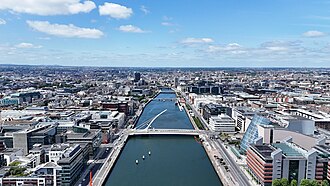
Student accommodation around Dublin’s colleges—shared houses, converted Georgian townhouses, purpose-built halls—has long been fertile ground for ghost anecdotes. Close quarters, late-night study sessions, and buildings layered with prior uses make for stories that circulate fast: a cold corner in a kitchen, a shadow on a stair, a whispered legend in a student common room. This guide looks at those anecdotes with a practical eye: mapping the neighbourhood hotspots, explaining how past building uses fuel the tales, and showing visitors how to separate folklore from documented history while offering ethical, safe ways to experience these stories, including guided context from Haunted Hidden Dublin.
Neighbourhood map: where student accommodation clusters and anecdotes concentrate
Student housing in Dublin is clustered around several well-known college hubs. Each area has its own vibe and a distinct roster of stories.
Trinity and the city centre
Trinity College sits in the heart of the city, surrounded by Georgian terraces, former boarding houses and mixed-use buildings now used as student flats. Anecdotes here often focus on narrow stairwells, attics and the shadows cast by large, old windows.
Rathmines and Ranelagh
South of the city centre, Rathmines and Ranelagh feature converted Victorian and Edwardian houses. Their histories as boarding rooms or lodgings for transient workers can fuel rumours—especially in areas with winding streets and communal houses.
Glasnevin and Drumcondra
Close to educational institutions and older institutional buildings, Glasnevin and Drumcondra host a mix of student rentals and former institutional sites whose past uses sometimes inform local legends.
Belfield (UCD)
Belfield’s campus life creates a different kind of story culture—late-night walks, elongated study sessions and campus folklore that migrates into surrounding residential streets and halls.
Bolton Street and the TU Dublin area
Near Bolton Street, Georgian and 19th-century buildings repurposed for student use bring together dense history and anecdote. These streets often have layered stories—from coaching inns and old businesses to later student tenancies.
How building histories create conditions for ghost stories
Understanding why a building inspires a tale starts with its past. Certain former uses and architectural features create conditions where anecdotes proliferate.
Former uses that invite stories
Boarding houses, lodgings, and former institutions (workhouses, hospitals, coaching inns) frequently appear in anecdotal back-stories. Buildings that accommodated many short-term residents naturally generate personal narratives that later become shared lore. For an example of how former bathing places and washhouses can develop haunting tales, see Victorian Washhouses & Bathhouse Apparitions in Dublin: History, Hauntings and Where to Visit.
Architecture, acoustics and atmosphere
High ceilings, narrow staircases, old heaters and timber floors all produce sounds and drafts that are easy to interpret as supernatural in low-light, high-stress situations. Distinguishing the physical cause (settling, pipes, old windows) from a paranormal explanation is an essential first step.
Distinguishing likely origins from unsupported claims
Documented history consists of verifiable records—ownership details, building uses recorded in archives, newspapers and institutional records. Folklore and legend are oral: repeated, modified and embellished over years. Recognising which you’re dealing with matters for both visitors and researchers.
Case study approach: reading an anecdote responsibly
Not all stories are equal. A responsible reading separates the verifiable from the speculative.
What’s verifiable
Verifiable elements include ownership records, archived newspaper reports, and documented institutional uses. These can confirm a building’s past as a boarding house, hospital ward, or cinema. Where appropriate, consult local archives or university records to confirm a building’s prior function.
What’s oral tradition
Most ghost anecdotes around student housing are oral tradition: first-person accounts, cadenced retellings, or student forum posts passed from cohort to cohort. These are valuable cultural sources but should be treated as community memory rather than historical fact.
How to check local records
Practical checks include: searching university archives or student newspapers for mentions, consulting local library collections and newspaper archives, and checking property records and planning archives at Dublin City Council. These steps will help you determine whether an anecdote aligns with documented history or originates in folklore.
Practical advice for visitors and students
Whether you’re a visitor chasing a story or a student living in a building with a reputation, there are straightforward rules to follow.
Respect residents and private property
Do not enter private houses, student halls or gardens without explicit permission. Many “haunted” locations are private homes or active residences. Knock, ask, and if refused, accept that the story ends at the gate.
Safety first
Avoid dark alleys, unsecured basements or unsafe rooftops. Stick to public routes, and if visiting at night travel in groups and tell someone your plans. Carry a charged phone and wear appropriate footwear for cobbles and uneven pavements.
Photography and consent
Ask permission before taking photos of people or private property. Be mindful of roommates studying late—respect noise levels and privacy. Photography laws and local bylaws apply; use common sense.
How tour operators and storytellers should use student-area anecdotes ethically
Tour operators have a responsibility to balance intrigue with integrity.
Script tips and framing
Frame anecdotes clearly: label what is documented history, what is local folklore, and what is a legend. Avoid presenting unverified claims as fact. Use context—architectural, social and historical—to enrich the story rather than sensationalize it.
Trigger warnings and sensitivity
Some anecdotes reference personal tragedy. Offer trigger warnings and avoid graphic retellings of recent traumatic events. When stories involve living individuals, seek consent or omit identifying details.
Permissions and partnerships
When anecdotes involve private properties that are open to the public only sometimes, obtain permissions to include them on routes or to photograph them. For operators interested in practical structures for sustainable tours, see Funding Dark-History Tours in Dublin: Grants, Sponsorships and Practical Steps.
Where to experience these stories safely
Many student-area stories are best encountered on public streets and curated walks where context and safety are provided.
Public routes and recommended viewing spots
Stick to promenades, squares, and main streets around college precincts. Notable public routes around city-centre institutions and converted Georgian terraces offer atmospheric backdrops without trespass. For related themes in urban backstreets and cinema-adjacent tales, see Old Picture-House Hauntings: Dublin Cinema Ghosts Walk and Docklands Back-Alleys After-Dark Trail in Dublin — Night Walk & History.
How Haunted Hidden Dublin can help
Guided walks provide historical context, safe routing, and respectful storytelling. Haunted Hidden Dublin blends documented history with folklore to give students and visitors a richer understanding of why these anecdotes persist. Learn more and book here: https://www.hiddendublintours.com/tours/
For private groups or university societies seeking a tailored experience that respects residents and property owners, consider arranging a private tour: https://www.hiddendublintours.com/group-tours-dublin/
FAQ
Are the ghost anecdotes linked to student accommodation in Dublin based on real historical events?
Some elements are based on verifiable history—buildings that served as boarding houses, hospitals or other institutions show up in archives and newspapers. However, many aspects of ghost anecdotes are oral tradition and community storytelling. Treat each claim individually: check local records to verify the factual elements and accept that much of the rest is folklore.
Can I visit the houses or halls mentioned in student ghost stories?
Many houses are private residences or occupied student halls. You should not enter without explicit permission. Public streets, squares and museum or university grounds (where permitted) are the best and safest places to view atmospherically relevant buildings.
How can I check whether a ghost anecdote is folklore or supported by historical records?
Start with university archives, local library and newspaper archives, and Dublin City property or planning records. Compare oral accounts with documented uses of a building. If a story references an institutional former use, search for that institution in archival listings rather than relying solely on hearsay.
Do Haunted Hidden Dublin tours include student-area ghost anecdotes and safe access to related sites?
Yes. Haunted Hidden Dublin includes student-area stories on public and permitted routes, providing context that separates documented history from folklore. For private groups or campus society bookings, contact the group tours team to arrange a tailored walk that respects privacy and property: https://www.hiddendublintours.com/group-tours-dublin/