
River Dodder Nightwalk: Ghost Sightings, History & Safe After-Dark Routes | Haunted Hidden Dublin
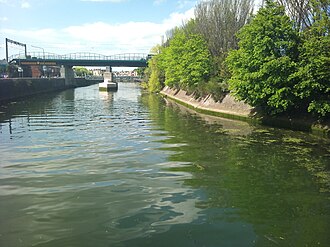
The River Dodder winds from Wicklow into Dublin Bay through parks, industrial remains and quiet suburban streets. Its dark pools, old weirs and history of industry and flooding make it a magnet for nightwalkers and storytellers. This practical guide pairs verifiable local history with accounts collected on nightwalks and in oral tradition, distinguishing documented incidents from folklore, and finishes with safe routes and booking options for visitors.
1. Why the Dodder attracts nightwalkers and ghost-story tellers
Rivers are natural focus points for memory and loss: channels that hold industry, accidents and the evidence of many lives lived on their banks. The Dodder’s changing character — from mill-stream to urban fringe — leaves pockets of atmosphere after dark. Low light, the rhythmic sound of moving water, and unexpected ruins encourage imagination, whether for writers seeking a prompt or for local storytellers swapping accounts on a nightwalk.
Many of the city’s darker walking themes cross paths here: industrial decline, flood scars and isolated stretches where visibility drops. These conditions are what draw both serious historians and amateur ghost-hunters to the riverside at night.
2. Documented history of the River Dodder: industry, floods and recorded incidents (what we can verify)
Documented history is the foundation for credible nightwalk interpretation. The Dodder long supplied waterpower to mills and small factories along its length; the remains of mill-ponds, mill-races and masonry weirs are still visible in places. Industrial use brought accidents: workers injured on machinery, slips from quays and occasional drownings. Such incidents appear in local council records and newspaper archives rather than in supernatural annals.
Flooding is another verifiable constant. The Dodder’s steep upper catchment and heavy rains have produced damaging floods that affected bridges, roads and riverside houses. Flood-control projects, embankments and engineer reports are part of the documented record that explain many of the visibly altered landscapes along the river.
Local museum collections and parish records also contain references to rescues and recovery efforts. When using nightwalk narratives, guides should point visitors to these verifiable sources to separate fact from embellishment — an approach we apply on Haunted Hidden Dublin tours and that complements other dark-history reading such as our piece on Inchicore Factory Hauntings & Worker Legends.
3. Nightwalk reports and ghost sightings: common themes, notable anecdotes and where accounts originate
Accounts gathered on Dodder nightwalks tend to cluster around a few recurring themes: apparitions near old weirs, figures seen on bridges, unexplained sounds along tree-lined stretches, and a sense of being watched near industrial ruins. Many stories stem from oral tradition — anecdotes passed between locals, fishermen or late-night walkers — rather than formal investigation.
Notable anecdotes often share similar patterns: a fleeting shadow by a quayside; a face in the reflection of the water; a feeling of cold close to an old mill. These reports are rarely backed by photographic or physical evidence, and most are recorded as personal testimonies collected during guided nightwalks and local storytelling nights.
Published accounts — when they exist — tend to appear in local history magazines or collections of Dublin ghost stories and are often framed as memory pieces rather than investigative journalism. For readers interested in similar compiled narratives from other parts of the city, see links like our Glasnevin Cemetery Little-Known Ghost Stories and the Portobello Canal-side Ghost Stories and Canal Lore: A Walking Guide.
4. Folklore vs fact: how to read a sighting — legends, misattribution, and natural explanations
Separating folklore from fact is the most important skill for a nightwalker interested in ghost stories. Folklore tends to build on ambiguity: where documentation is thin, imagination fills the gap. Misattribution is common; reflections on water, headlamps, shadows cast by passing cars or sudden drafts can all be misread as apparitions.
Legend often borrows from documented tragedy. A genuine industrial accident or flood-related death can seed a persistent local tale that accrues ghosts over generations. Ethical interpretation means acknowledging the historical event where it exists, and making it clear when a story moves into the realm of folklore or speculative explanation.
Natural explanations should always be considered: water-surface refractions, binocular mirages, and wildlife are frequent culprits. Even emotional factors such as fatigue, cold and group expectation can shape what people report seeing on a nightwalk. Our approach on Haunted Hidden Dublin is first to present the verifiable history, then to invite discussion about how and why the stories evolved, an approach also useful for tour collaborators and cultural partners exploring revenue and programming models like those discussed in Museum Partnerships: Revenue Models for Dublin Dark-History Tours.
5. Recommended Dodder nightwalk routes for visitors: accessible stretches, lighting, and areas to avoid
For safe and atmospheric nightwalking, choose stretches with clear pedestrian access and reasonable lighting. Good options include the banks through public parks and well-maintained promenades where visibility is better and emergency access is possible.
Avoid isolated, poorly lit private access paths or any riverside area posted as private property. Sections with steep, slippery banks, loose masonry or recent flood damage are best avoided after dark. If you are unsure about access, consult local signage or ask on a daytime visit before returning at night.
Accessibility matters: some riverside paths are uneven or narrow. If you need step-free routes or prefer streets with good lighting, plan accordingly. Our guided nightwalks focus on stretches that balance atmosphere with safety and accessibility, and we can point you toward quieter spots for those interested in quieter, more charged atmospheres.
6. Safety, permissions and local considerations: tide/flood risk, private property, and respectful behaviour
Safety first: the Dodder can rise quickly after rain. Even small increases can change footing and currents. Check local weather and river-conditions alerts before planning an after-dark walk. Never enter the water for any reason.
Respect private property and observe signage. Many old industrial sites abut the river and are privately owned or unstable. Trespass can be dangerous and may draw legitimate complaints from landowners.
Respect local communities. Nightwalking is different from noisy parties: keep group sizes reasonable, keep voices low where residents live close to the river, and avoid disturbing wildlife. If you document your walk, ask permission before recording identifiable people or private properties.
7. What to expect on a Haunted Hidden Dublin Dodder nightwalk and how to book (group and private options)
On a Haunted Hidden Dublin Dodder nightwalk you will receive a guided, historically grounded experience. Guides present verified events and archival context first, then share collected oral reports and nightwalk anecdotes, making clear which elements are documented and which are part of local lore.
Expect 60–90 minutes of walking at a calm pace, pauses for interpretation and safe photo stops where lighting allows. Groups are kept to manageable sizes to preserve atmosphere and minimise impact on residents. If you’re interested in dark-history storytelling or microfiction prompts for your own writing, our tours often incorporate creative exercises inspired by local place-names — see suggestions in Writing Tight Dublin Microfiction: Ghost-Story Prompts & Tour Uses.
If you’re organising a private group or educational visit, we offer tailored options. Contact us for private-group arrangements via our dedicated booking page: https://www.hiddendublintours.com/group-tours-dublin/
FAQ
Are the River Dodder ghost sightings documented or just local folklore?
Most Dodder ghost sightings are part of local folklore and personal testimony collected on nightwalks. There are verifiable historical events — industrial accidents and flood incidents — documented in archives; these events sometimes underpin ghost stories. We always separate recorded history from anecdote when interpreting sights and stories on tour.
Is it safe to walk the River Dodder at night on my own?
Safety depends on the stretch you choose and current river conditions. Well-lit, public promenades are safer than isolated banks. Check weather and river warnings, avoid private property and slippery banks, and consider joining a guided nightwalk for local knowledge and group safety.
Do Haunted Hidden Dublin tours include Dodder nightwalks and private group bookings?
Yes. Haunted Hidden Dublin runs guided Dodder nightwalks and offers private-group options. You can book public tours or arrange tailored visits for schools, corporate groups, or special-interest gatherings through our booking pages. Book a guided River Dodder nightwalk with Haunted Hidden Dublin — safe evening tours and private group options: https://www.hiddendublintours.com/tours/ For private groups, use our group bookings page: https://www.hiddendublintours.com/group-tours-dublin/
What should I bring and wear for a Dodder nightwalk and ghost-spotting?
Wear sturdy, closed shoes with good grip and weather-appropriate layers. Bring a reliable torch with fresh batteries, a charged phone, and a small first-aid kit if you prefer. Avoid tripod-mounted lights that dazzle residents and wildlife. If you plan to photograph, bring a camera with manual settings suitable for low light and stabilisation. Guides will advise on any additional items based on the chosen route.