
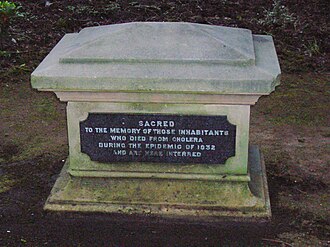
Glasnevin Cemetery is one of Dublin’s most visited historic sites, known for the graves of national figures, famine plots and Victorian funerary sculpture. Less obvious to first-time visitors are the quieter, little-known ghost stories woven into the cemetery’s lanes — tales told in whispers by local guides, passed round pub tables, or used as creative prompts by writers. This guide separates what’s documented from what’s folklore, highlights seven lesser-told ghost stories you might hear on a walk, and gives a compact route and practical advice for visitors and tour operators planning a respectful ghost-themed visit.
How Glasnevin’s history creates a backdrop for ghost lore
Glasnevin’s scale, 19th-century architecture and role in Ireland’s social history make it fertile ground for stories. The cemetery contains monumental tombs, family vaults, single graves and mass graves from times of crisis. These physical realities — grief, sudden death, and public memory — are the starting point for many ghost stories.
When assessing a tale, split it into three layers: the documented history (who is really buried where, and the known historical events), the oral tradition (local narratives repeated without archival proof), and imaginative legend (stories that grow for dramatic effect). Some stories grow from genuine distressing events such as epidemics or wartime casualties; others are inventions that add atmosphere to a night walk.
Seven little-known Glasnevin ghost stories — synopsis and what’s verifiable
1. The Mourner at the O’Connell Avenue
Synopsis: Walkers report seeing a lone figure in Victorian dress standing near the avenue that leads toward the large public tombs, especially at dusk.
What’s verifiable: The avenue and the tombs of major public figures are real and heavily visited. There is no record in burial registers or contemporary newspapers of a specific “mourner” tied to an incident; this story circulates in guidebooks and oral tours as atmospheric lore.
2. The Nursemaid by the Children’s Row
Synopsis: Some visitors say they have heard the sound of light footsteps and the scent of lavender near rows containing infant graves.
What’s verifiable: Glasnevin contains many plots for infants, reflecting high child mortality historically. The sensory details — sound and scent — are typical of folklore. Cemetery registers confirm the number of infant burials, but there are no archival records supporting supernatural phenomena.
3. The Soldier Who Walks to the War Memorial
Synopsis: A uniformed soldier is sometimes described walking the path that connects older graves to the later war memorials.
What’s verifiable: There are military graves and memorials in Glasnevin. The presence of servicemen’s graves is documented, but accounts of a walking apparition are anecdotal and not corroborated in contemporary sources.
4. The Tolling Bell That Has No Ringer
Synopsis: On foggy mornings, locals claim the cemetery bell tolls though no keeper is visible.
What’s verifiable: The cemetery has bell and clock features in some areas. Mechanical faults or echoes can create sounds that suggest a tolling bell. No newspaper reports or staff logs substantiate unexplained bell tolls tied to a supernatural cause.
5. The Vanishing Coach Near the Old Entrance
Synopsis: A phantom horse-drawn coach is said to appear briefly near an old gate before vanishing into the mist.
What’s verifiable: Horse-drawn coaches were once common. References to old carriage roads exist in maps and plans, but the coach story remains a piece of oral legend without documentary proof.
6. The Whispering Names
Synopsis: Visitors say they have heard their own names whispered when standing beside certain carved headstones.
What’s verifiable: Carving practices include inscriptions and lettering that can catch wind and create sound. Personal experiences of whispers are personal testimony; cemetery records confirm the names on stones but not the whispers.
7. The Lantern of the Gravedigger
Synopsis: A dim lantern is reported bobbing among the older vaults on winter evenings — sometimes attributed to an old gravedigger still doing his rounds.
What’s verifiable: Historic records and oral histories acknowledge the presence of long-serving cemetery workers in the past. Modern staff work regular hours; any lantern sightings after hours are anecdotal and unrecorded in official logs.
Separating folklore from record
When you hear a story, ask two questions: what is the historical fact at the story’s core (a mass grave, a famous monument, a documented death), and where does the supernatural claim begin? For verification, burial registers and the cemetery’s own guides are primary sources for who is interred where. Contemporary newspapers occasionally reported sensational events — if a ghostly claim ever entered print in the past, it would be there. For creative uses, see how local writers convert these elements into microfiction in Writing Tight Dublin Microfiction: Ghost-Story Prompts & Tour Uses.
Field research that aims to distinguish folklore from fact benefits from cross-checking: consult burial indexes, local histories and archived press. If you are researching for a blog or tour, consider the practical budget and logistics detailed in Field Research Budget for Dublin Ghost Bloggers.
A compact walking route (30–45 minutes) linking the sites mentioned — map notes for tour operators
This short route is designed for public groups and respects sensitive areas. It’s suitable for a 30–45 minute themed stop-and-tell walk that can be integrated into a longer cemetery visit.
- Start: Main entrance — brief orientation about the cemetery’s founding and major monuments.
- Stop 1: Avenue toward the public tombs — tell The Mourner story and contextualise O’Connell-era memorials (historical context only).
- Stop 2: Children’s Row — discuss demographic history and The Nursemaid legend.
- Stop 3: Military graves and war memorial — cover the Soldier story and documented service graves.
- Stop 4: Older vaults near the old gate — recount The Vanishing Coach and The Lantern of the Gravedigger, emphasising legend vs record.
- Finish: Near the bell/clock area — explain natural explanations for The Tolling Bell and offer time for questions.
Map notes for operators: mark seating points for short talks, avoid family plots and fenced-off areas, and set clear pick-up/drop-off points. For inspiration in structuring atmospheric routes through varied Dublin spaces, consult Portobello Canal-side Ghost Stories and Canal Lore and the Twilight Trail of Small Dublin Churchyards.
Visitor practicalities: opening hours, access, etiquette, and respectful behaviour
Glasnevin is an active cemetery and a place of remembrance. Visitors should check the cemetery’s official posted hours before planning a visit; hours can vary by season and special events. Stay on marked paths, avoid stepping on graves, and keep noise to a minimum. Do not lean on monuments or disturb flowers and personal mementos left by families.
For groups, maintain a manageable size and use a voice level that respects mourners and other visitors. If you are a tour operator, announce your route in advance and leave space for individuals who wish to pass or spend time at a grave in private. Ghost stories can be atmospheric — choose your wording carefully so you do not sensationalise living relatives’ losses.
Photography, night visits and legal/safety considerations
Photography is generally allowed for personal use, but be mindful of privacy; do not photograph people without permission. Tripods or professional setups should be discussed with cemetery authorities in advance. Night visits or recording for commercial purposes often require explicit permission; unsanctioned night tours may be restricted for safety and respect.
Legally, trespassing rules apply if you enter after hours or into restricted zones. From a safety perspective, paths can be uneven, and weather in Dublin can change quickly — wear sturdy footwear and bring a torch for dusk tours. For operators running tours at twilight or in small churchyard clusters, Merrion Square at Dusk and related routes offer tips on managing light, sound and crowd flow.
How to join a guided walk or book a private group tour with Haunted Hidden Dublin
Haunted Hidden Dublin runs guided Glasnevin ghost walks that distinguish confirmed historical facts from local legend, designed for both visitors and operators seeking a balanced, respectful experience. Book a guided Glasnevin ghost walk or a private group tour with Haunted Hidden Dublin — https://www.hiddendublintours.com/tours/
For school groups, corporate events, or larger private parties, you can request a bespoke itinerary and rates via our private group booking page: Private groups: https://www.hiddendublintours.com/group-tours-dublin/
FAQ
Are Glasnevin Cemetery ghost stories based on historical records or local folklore?
Most ghost stories about Glasnevin are rooted in local folklore built around real historical elements (monuments, mass burials, notable interments). The documented record — burial registers and archival newspapers — confirms the factual skeleton (who is buried where and major events) but rarely corroborates supernatural claims. Treat ghost stories as cultural narratives rather than archival fact.
Can I take a self-guided ghost walk in Glasnevin, and are there restrictions on visiting after dark?
Self-guided visits are possible during opening hours, but after-dark access is typically restricted and may require permission. For safety and respect, check official opening times and any rules about organised night events. If you want a night or specialised ghost-themed tour, book with an operator who has the necessary permissions.
Is photography allowed in Glasnevin Cemetery and are there rules for tour groups?
Casual photography for personal use is usually permitted, but avoid photographing other visitors without consent and never disturb graves or memorials for a shot. Larger groups or professional shoots should contact cemetery management in advance to ensure there are no conflicts with visitors or scheduled services.
How can I book a guided or private ghost-themed tour of Glasnevin with Hidden Dublin Walking Tours?
To join a scheduled guided walk, use our main booking page: https://www.hiddendublintours.com/tours/. For private or group bookings, including tailored itineraries for schools or corporate events, visit: https://www.hiddendublintours.com/group-tours-dublin/.