
Haunted pubs of Dublin: Phantom landlords and late-night patrons — a visitor’s guide
Dublin’s pubs are living rooms for the city’s stories—places where workaday life and centuries of memory meet over a pint. Many of those memories take an uncanny turn: phantom landlords who apparently still “check tabs,” repeat patrons who arrive long after their funerals, and unexplained footsteps and smells that settle into the rafters. This guide helps visitors follow those tales across the city’s oldest pubs, separates documented history from local folklore, and suggests how to experience these stories responsibly—alone or with an expert guide.
Book a Haunted Hidden Dublin walking tour to explore these pubs with an expert guide.
Introduction: Why pubs are at the heart of Dublin’s ghost stories
Pubs in Dublin have long been social hubs, but they also sit on top of layers of urban life—old houses, former coaching inns, workhouses and markets. Because pubs welcome strangers and hold generations of conversation, they naturally collect tales: small tragedies, sudden deaths, political fervour, and the gossip that transforms an incident into an enduring story. The atmosphere—warm light, wooden beams, late hours—makes them a perfect stage for ghost narratives.
History vs. folklore: How to tell documented facts from pub legend
Separating what’s documented from what’s folklore is central to enjoying haunted pubs responsibly. Documented history includes verifiable facts: property records, newspaper reports, death certificates and archival mentions. Folklore is the oral tradition—the evening recounting passed from bar staff to patrons that often grows more colourful with each retelling.
When you hear a dramatic claim—an innkeeper who still walks the stairs, a patron who returns at closing—ask whether that is supported by archival evidence, or presented as “local story” or “patron testimony.” Both kinds of knowledge matter: the former grounds us in history; the latter tells us how communities remember and interpret the past.
Signature kinds of pub hauntings
Phantom landlords
Tales of phantom landlords are common: a landlord who appears to straighten glasses, warn staff of trouble, or sit in his old chair. These stories often connect to a long-serving publican whose manner and expectations shaped a pub’s culture. Documented records may show long tenures or notable incidents in a landlord’s life; the supernatural element usually enters through oral reports and occasional unexplained sightings.
Repeat patrons and recognisable faces
Repeat patron stories describe customers who supposedly return night after night despite a recorded death. These narratives often function as local elegies—ways of keeping remembered characters alive. Again, the existence of a beloved local is often documented, while the paranormal element remains oral tradition.
Residual presences
Residual hauntings are described as impressions of past events replaying—footsteps, opening doors, a scent of tobacco. These experiences are frequently reported by staff and regulars. Unlike phantom landlords, they are less personified and more atmospheric, and they often tie back to the building’s earlier uses.
Where to go: curated list of Dublin pubs with strong oral traditions
The pubs below have rich storytelling cultures. For each entry I note what’s documented—property or historical facts—and what lives in local lore. These are starting points for an evening’s walk rather than definitive proof of the supernatural.
The Brazen Head area
What’s documented: The site is long associated with historic coaching inns and trade, and the present building sits on an old commercial route. What’s folklore: stories about former innkeepers and late-night patrons who never quite left the place are part of the pub’s narrative. Even if you’re more interested in architecture and atmosphere than apparitions, this area rewards a patient visit.
The Stag’s Head and Victorian saloons
What’s documented: Victorian-era interiors and ownership records make the pub interesting for architectural history. What’s folklore: tales of former publicans appearing in the snug or checking on orders at closing time. Regulars often share anecdotes that blend genuine memory with storytelling craft.
Fleet Street lanes and The Palace Bar
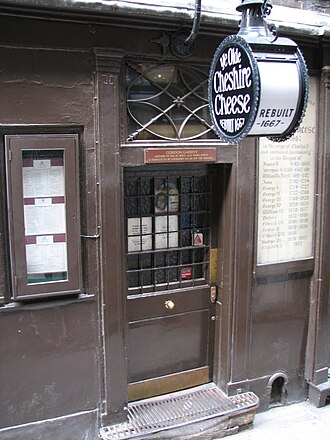
What’s documented: Fleet Street’s literary and legal connections are well recorded; The Palace Bar is known as a meeting place for writers and lawyers. What’s folklore: rumours of familiar faces lingering after midnight—stories that reflect the building’s long role as a city meeting point. For related urban legends in the area, see our local piece on Thomas Street apparitions: Thomas Street apparitions: Ghost stories of the Liberties — Haunted walking guide.
Mulligan’s and old docks-side boîtes
What’s documented: Dockside communities and fisheries work shaped the clientele and culture; some patrons did live hard lives in the area. What’s folklore: claims of a returned fisherman or hapless drinker who arrives to take his usual seat. These stories are often intimate, told in low tones by staff and regulars.
Laneways, burial grounds and park edges
Some pub stories radiate from nearby sites: a burial ground, a narrow laneway, a distant park. For context on the kinds of local legends that feed into pub narratives, readers may find these local guides useful: Cabbage Garden burial ground legends, Dublin — History, Folklore & Visitor Guide, Donnybrook After-Dark Laneways Trail — Historical Evening Walk in Dublin and Fairview Park at Dusk: Encounters, Unexplained Sounds & Visiting Guide.
If you enjoy telling or collecting short tales, consider how oral stories become small fictions. Our piece on creative approaches explains how local micro-stories circulate: Monetizing Short Dublin Ghost Stories: How to Sell Microfiction Online.
How to experience a haunted pub responsibly
A respectful visit keeps both people and stories intact. Start by asking permission before photographing staff or private corners. Many pubs are living businesses with residents and workers who value discretion—if a landlord asks that certain spaces remain off-limits after hours, accept it.
Listen to staff and regulars without interrupting. If you’re offered a story, let it be told in full; don’t press for “proof” in a way that makes people uncomfortable. Keep noise levels reasonable, tip well, and buy a drink if you intend to linger—supporting venues is the best way to ensure these places remain open for future stories.
Best times, logistics and safety for late-night visits—and when to join a guided tour
Late-night ambiance is often part of the appeal, but consider community and safety. Weeknight evenings are typically quieter for conversation and storytelling; weekends can be lively and less amenable to listening. Check closing times and local transport options in advance. Dublin’s late-night buses and taxis are reliable, but plan your return journey and avoid walking alone in unfamiliar alleys late at night.
Guided evening walks are the best option if you want expert context and safe navigation. Guides can separate archival facts from folklore and point out the physical traces behind stories—old signage, layers of building fabric, and documented events—while keeping the group respectful to venues. When in doubt, join a guided walk rather than improvising a crawl.
Group bookings and private after-dark options (what to expect on a Haunted Hidden Dublin tour)
Our public evening walks pair on-street storytelling with visits or doorways of some historic pubs; private group bookings allow a more bespoke route, extra time in specific venues, and guided conversation with pub staff where possible. Expect a focused route, historical context, a clear distinction between documented records and local lore, and practical advice for respecting venues.
For private or corporate after-dark options, we offer tailored itineraries that can concentrate entirely on haunted pubs, include interviews with long-term staff (where available), or combine pub stops with nearby historic sites. Learn more and request a bespoke plan: Book a private group tour focused on haunted pubs and after-dark history.
Closing tips: preserving stories, supporting venues and next steps for visitors
Treat ghost stories as part of a pub’s intangible heritage. Record them respectfully, credit the teller, and resist the urge to sensationalise. If you write or share a story online, note whether it’s documented history or local lore so others understand the difference.
If you enjoyed this guide and want to explore these pubs with an expert who can point out the facts behind the legends, Book a Haunted Hidden Dublin walking tour to explore these pubs with an expert guide.
FAQ
Are the ghost stories about Dublin pubs historically verified or purely folklore?
Many tales blend both. Buildings and some personal histories are often verifiable through records; the supernatural elements—sightings, repeated hauntings—are most commonly oral tradition. A good guide will distinguish documented facts from local lore.
Can I visit these pubs late at night and expect to see anything supernatural?
Expect atmosphere and stories rather than guaranteed apparitions. The experience is as much about place, memory and community as it is about unexplained phenomena. If you hope to hear first-hand accounts, evenings with quieter crowds make conversation easier.
What should I know about etiquette and photography when exploring haunted pubs?
Always ask permission before photographing staff or private corners. Keep voices down, tip if you stay for a drink, and respect requests from pub management about access after hours. Privacy and courtesy protect both people and the stories they share.
Do you offer private group tours focused specifically on haunted pubs in Dublin?
Yes. We offer private after-dark itineraries that focus on haunted pubs, context from archives and folklore, and arrangements to engage with long-term staff where appropriate. For details and to arrange a bespoke route, visit our private group bookings page: Book a private group tour focused on haunted pubs and after-dark history.