
Haunted Coaching Inns of Dublin: Traveller Ghost Stories and Where to Visit
Coaching inns were once the arteries of overland travel into Dublin — places where horses were changed, letters were posted and strangers met. They left an imprint on the city’s streets, courtyards and oral culture; where travellers once swapped news and coin, later generations told of passing shadows, phantom horses and whispered farewells. This guide traces the documented role of coaching inns, separates archival fact from folklore, and offers a practical walking route for visitors who want to experience those traveller ghost stories with a local guide.
Why coaching inns matter to Dublin’s haunted map
Coaching inns were hubs of movement and emotion: arrivals, departures, farewells, lonely nights and occasional violence. That intense human activity made them places of memory. When the age of the stagecoach faded, the buildings and the stories remained. For a city that prizes its oral history, coaching inns supply both tangible architecture and fertile ground for tales of travellers who did not quite leave.
Coaching inns 101: documented history of inns, staging posts and urban travellers
Documented history shows that coaching inns served practical purposes: lodging, stabling, food, and the relay of mail and passengers. Inns sat on main approaches to the city and were often administered by license under municipal rules. The busiest houses would maintain stables and employ hostlers and ostlers to care for horses and manage luggage.
In urban life, these inns functioned as communication nodes. They were also commercial spaces where local artisans, carriers and messenger services met clients. Architectural traces — long courtyards, coach entrances and adapted stables — remain in certain central streets and lanes, even where the original signboards are gone.
Locating the old coaching-inn quarter today: surviving buildings, plaques and archival markers
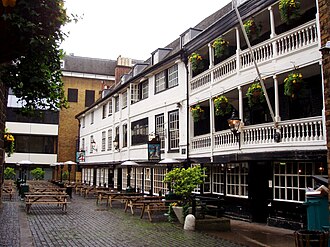
Modern Dublin preserves coaching-inn evidence in different ways. Some buildings retain the deep courtyards and high entrances that once admitted stagecoaches. Others have plaques or rebuilt facades that hint at an earlier function. In several cases, narrow alleys next to Georgian terraces were once the approaches for horses and luggage.
Look for these markers when you walk: a wide arched gateway, a cobbled yard tucked behind a row of shops, or a signboard repurposed as a naming feature on a newer facade. Local archives and street-name studies — which guides will point out on tour — help confirm where inns and posting houses once stood.
Traveller ghost stories and how they formed: common motifs, oral tradition and newspaper reports
Stories attached to coaching inns tend to revolve around a few repeating motifs: the exhausted traveller who never finds rest, a coachman who returns to his horses after a fatal accident, or a spectral horse heard on a quiet night. These narratives often amplify ordinary sensory memories — horses, hooves, lantern light, tobacco smoke — into uncanny encounters.
It is important to distinguish between folklore and contemporary record. Folklore is the living oral tradition: tales passed from neighbour to neighbour or retold in a pub. These stories evolve, borrow elements from other urban legends, and sometimes link to national motifs you can read about in pieces such as our article on Celtic crossroads and pagan echoes in Dublin’s outer districts.
By contrast, newspaper reports and court records sometimes preserve accounts of strange sightings or suspicious events linked to an inn. Even so, sensational reporting and the appetite for a good story can blur the line between documented incident and embellished tale. Our research on urban legends — such as the recent voicemail myths spreading in Dublin — shows how quickly stories mutate in modern media.
Sample 60–90 minute walking route: key stops, storytelling moments and photographic vantage points
This sample route is designed to fit a 60–90 minute walk at an easy pace. It concentrates on the historic coaching-inn quarter and its immediate surroundings, with stops chosen for atmosphere, archival interest and photo opportunities.
Start: A surviving inn façade with a visible coach entrance. Guides will introduce the staging functions here and point out architectural clues to the building’s original use — archways, high lintels and kennel spaces for ostlers. This is a prime spot for wide-angle photos of façade details.
Stop 2: The old courtyard. Many coaching inns had protected courtyards where horses were fed and passengers alighted. At this stop we tell traveller stories — the hasty departures, lost trunks and midnight arrivals — and contrast them with what survives in the city record.
Stop 3: A lane or alley that once served as a service approach. These narrow spaces are evocative at dusk, when shadows lengthen. We use this point to discuss typical ghost motifs — phantom footsteps, sudden cold spots — and why such experiences are rooted in both sound and architecture.
Stop 4: A plaque, street-name marker or museum display that references the posting system or mail coaches. Here a guide will read from period directories and explain the staging network without inventing details, separating what archival records show from later legend.
Finish: A tavern whose site has long associations with travellers. This final stop is ideal for concluding stories, answering questions and suggesting quieter routes for photography. Photographic vantage points along the route favour texture — brickwork, ironwork and cobbles — that hints at the coaching era even when modern shopfronts intrude.
How guides research these stories: using archives, directories, maps and vetted oral testimony
Local guides combine multiple research strands. Archival documents — such as trade directories, licensing lists and old maps — show where inns were located and which names they operated under. Historic maps often reveal lost alleys and yards that survive only as courtyards behind newer buildings.
Guides also use vetted oral testimony. That means cross-checking local recollections with written records or corroborating independent eyewitness accounts. Where claims come only from a single hearsay source, guides will present them as folklore rather than fact. We sometimes enhance tours with audio techniques; for practical tips on creating an evocative soundscape without sensationalising, see our Budget Soundscape Tips for Dublin Ghost Podcasts and Tour Audio.
Researchers are cautious about conflating different kinds of haunting narratives. For instance, tales connected to hospital corridors or closed wards are a different category; if those arise on a walk they are contextualised and sometimes linked to broader urban legends such as stories in our piece on Victorian infirmaries.
Practical visitor info: times, accessibility, what to wear, and tips for respectful photography
Timing: Most coaching-inn walking tours operate in the early evening when light is soft and the atmosphere is best for storytelling. Check the tour page for current start times and seasonal variations.
Accessibility: Many streets in the historic quarter are paved with uneven stone or cobbles; some courtyards involve steps. Tours can be adapted for mixed mobility groups — ask in advance when you book. Private groups with specific accessibility needs should contact the team directly to plan a suitable route.
What to wear: Comfortable footwear and a weatherproof layer are essential. Evenings can be cool and windy. Bring a small torch for lower-lit courtyards if you prefer a closer look at architectural details.
Photography: Be mindful of private property and residential windows. Respect businesses and avoid obstructing doorways. Low-light photography can capture atmosphere, but avoid using flash in narrow alleys where it might intrude on residents. For context on how modern urban legends spread and affect public spaces, see our article on Eerie Voicemail Myths.
Book a guided experience — what to expect on Haunted Hidden Dublin tours and private-group options
On a Haunted Hidden Dublin coaching-inn walk you can expect a small-group experience led by a local guide who separates archival fact from folklore. The format blends short onsite talks, readings from historic directories and time for questions. Guides point out archival markers and surviving structures, and they make clear which anecdotes are well-documented and which belong to oral tradition.
For private groups or corporate bookings that want a deeper focus on coaching-inn history and traveller tales, we offer bespoke walks tailored to your interests and mobility requirements. Contact our private groups team to plan a dedicated itinerary: https://www.hiddendublintours.com/group-tours-dublin/
If you’re curious about related urban echoes — for example how small businesses themselves carry ghost stories — our features on shuttered shops and backstreet merchants explore that overlap between commerce and folklore.
FAQ
Are the ghost stories tied to Dublin’s coaching inns documented history or local folklore?
Both. Many stories have a kernel of historical truth — an inn existed at a particular site — but the supernatural elements usually come from oral tradition and later retellings. Guides distinguish archival records (locations, licensing, descriptions) from folklore (ghost sightings, recurring apparitions) when presenting tales.
Can I follow the suggested route on my own, or is a guided tour recommended?
You can follow many elements of the route independently, but a guided tour adds context: access to maps, references to directories, and stories vetted against local archives. Guides also point out subtle architectural clues that are easy to miss alone.
Are the walks suitable for families and groups with mixed mobility?
Yes, with caveats. Many elements are family-friendly and non-scary; however, some courtyards and alleys involve uneven surfaces or steps. If you have mobility concerns, request an adapted route when booking. Private-group bookings can be customised for accessibility.
Do you offer private/group tours that focus specifically on coaching-inn history and traveller tales?
Yes. We provide private and bespoke tours that concentrate on coaching-inn history, archival research, and traveller narratives. For group bookings and custom itineraries, please contact our private tours team: https://www.hiddendublintours.com/group-tours-dublin/