
Drimnagh Castle Midnight Tales: History, Legends & Visitor Guide — Haunted Hidden Dublin
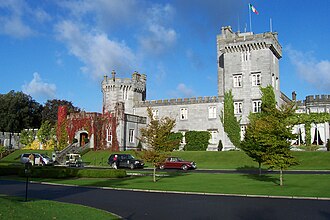
Drimnagh Castle draws midnight curiosity because it is one of Dublin’s most visually complete medieval moated sites — a compact, atmospheric place where stone, water and shadow combine to suggest stories. By day it is an evocative historic house; by night it becomes a magnet for legend, speculation and the quiet thrill of after-dark exploration.
Documented history: origins, architecture and verified events
When separating fact from folklore it helps to begin with what is documented. Drimnagh Castle is best understood as a medieval fortified house set within a moat. The surviving stonework, internal layout and defensive features reflect centuries of occupation, adaptation and repair.
Architecturally the castle shows a compact hall-house plan with later additions typical of continuously occupied residences rather than purely military fortresses. The moat is a conspicuous historic feature and contributes to the site’s rare intactness among Irish fortified houses.
Verified events in the public record are mainly matters of ownership, repairs and conservation rather than dramatic supernatural incidents. Local archives, maps and estate records note periods of occupancy, changing hands and later efforts to stabilise and conserve the structure. Those documents form the backbone of any historically grounded account of the site.
Folklore vs. fact: local legends and reported sightings
The popular appeal of Drimnagh Castle’s after-dark stories comes from a mixture of local legend, personal testimony and the castle’s visual drama. It is important to distinguish these forms of storytelling from archival fact.
What counts as documented, and what does not
Documented history rests on written records, maps, probate papers and conservation reports. Folklore and contemporary reports come from oral tradition, newspaper anecdotes and visitor testimony. A reported sighting or a repeated ghost story does not become verified history without supporting documentary evidence.
Common legends and community memories
Local legends attach names, causes and motives to the castle’s atmosphere: tales of restless figures glimpsed near the moat, of footsteps on empty stairways, and of sudden cold spots in certain rooms. These narratives tend to be flexible: details change with each retelling, and they often borrow elements common to Irish castle lore.
If you are interested in how these stories fit into Dublin’s wider web of dark places, our pages on Hidden Vaults & Crypt Folklore in Dublin — Visitor Guide and Dublin’s Old Watchtowers: History, Urban Legends & Where to See Them offer useful context.
Midnight visit — what to expect
An after-dark visit to Drimnagh Castle is about atmosphere as much as it is about expectation. The moat’s black surface, moonlit battlements and the hush of suburban Dublin beyond create a specific sensory palette.
Typical sounds reported by visitors are practical and atmospheric: water lapping at the moat edge, distant traffic, night birds and the wind in nearby trees. People also report the subjective experience of “feeling watched” or an increased awareness of temperature changes in enclosed spaces. These sensations are real to the observer but are not, on their own, proof of the paranormal.
Many reports gathered on guided tours describe visual phenomena that have mundane explanations: reflections in glass or water, optical illusions caused by uneven lighting, and memory’s tendency to knit unrelated impressions into a single dramatic recollection.
Practical planning: best times, transport, access, tickets and what to bring
Timing matters. Clear, moonlit nights emphasise silhouette and shadow; overcast evenings lend a damp, intimate feel. Late-evening to midnight slots capture the quietest hours, but always check published opening hours and tour schedules before planning a visit.
Transport to Drimnagh is typically by bus, tram or taxi from central Dublin. Allow extra time for suburban traffic and limited late-night public transport. If you are coming by car, park considerately and follow local signage.
Access and ticketing vary by season and by the arrangements of the site’s custodians. We recommend booking tours in advance rather than relying on off-the-street availability. Use the booking link above to secure a place on an organised after-dark tour.
Practical items to bring: a charged phone, a small torch with a red filter if you want to preserve night vision, sensible footwear for uneven stone and damp ground, a warm layer and a respect for the site. Avoid large bags, loud music and anything that might damage fabric or stone.
Guided experiences: what a Haunted Hidden Dublin after-dark tour covers
Our Haunted Hidden Dublin after-dark tours are designed to enhance a visit without overriding the site’s atmosphere. Guides combine documented context with clearly signposted folklore so you can judge what is historical record and what is local legend.
A typical tour includes a measured historical introduction, an exploration of the castle’s external features (moat, curtain wall, gate), a walk through accessible interiors where allowed, and a storytelling segment that frames local legends alongside documented facts.
Guides emphasize critical thinking: we highlight which elements have archival support and which derive from oral tradition. That approach lets visitors enjoy the spooky thrill while understanding the line between evidence and imagination.
For a taste of our other themed walks and how we structure evening routes, you may also be interested in our Aungier Street After-Dark Trail: Dark History, Legends and Visitor Guide.
Safety, respect and photography
Safety is paramount on after-dark visits. Follow your guide’s instructions, stay on marked pathways and do not attempt to access restricted areas. Historic fabric such as plaster, timber and stone is vulnerable to abrasion and moisture; avoid leaning on walls or placing equipment on ledges.
Permissions: many heritage sites require that photography, tripods, drones or audio recording be authorised in advance. Ask your guide and the site’s custodians about the rules for night photography. If a guide gives permission, treat fragile interiors respectfully and refrain from using bright flash that can harm delicate finishes.
Night photography tips: use a stable, shoulder-level stance or a small, allowed tripod if permitted; shoot with low ISO and longer exposures where practical; capture reflections in the moat for dramatic compositions; and take test shots to avoid repeated bright flashes.
Further reading, sources and where to learn more
If you want to dig deeper, local archives, the site’s custodial organisation and borough records are the best starting points for primary documents about ownership and conservation. For thematic context, our guides and web pages explore related motifs across the city — see our pieces on Ships, Memorials and Spectres: Dublin’s Maritime Memorials and Their Ghost Stories and resources on how heritage tours are funded and priced at How to Fund and Price a Small Dublin Ghost Tour.
For research queries, contact local record offices and historical societies who can point to deeds, maps and probate records. Those records are the best foundation for separating verifiable events from the folklore that grows up around evocative places.
If you are organising a private or group visit, we also run tailored group experiences. For bespoke scheduling and group rates, contact us via our private bookings page: Private and group tours — book here.
FAQ
Is Drimnagh Castle really haunted or are the stories mainly folklore?
The short answer: many of the most dramatic claims are folklore and personal testimony rather than documented fact. People do report unexplained sensations and sightings, but these reports should be treated as anecdote. For a clear picture, compare oral accounts with archival records and conservation histories.
Can I visit Drimnagh Castle at midnight on my own, or do I need to join a guided tour?
Access rules vary. For safety, interpretation and the best after-dark experience, joining a guided tour is recommended. Some sites restrict unsupervised night access for conservation and safety reasons. Check official arrangements and book ahead to avoid disappointment.
What should I bring and what should I avoid when doing an after-dark visit?
Bring warm layers, sturdy footwear, a charged phone, a small torch (preferably with a red filter) and an open mind. Avoid loud behaviour, alcohol, and anything that could damage historic fabric. Ask guides about permitted equipment before bringing tripods or drones.
Are photos and audio recordings allowed during night visits and guided tours?
Rules differ by site and by the priorities of custodians. Many tours permit handheld photography but restrict tripods, flash and audio recording. Always ask your guide or the site staff for permission and follow any conditions they set to protect the place and other visitors’ experience.