
Hidden Vaults & Crypt Folklore in Dublin — Visitor Guide
Dublin’s streets are compact, layered and often louder than they seem; walk a little quieter and you can feel the city settling back into older rhythms — the shadowed steps of a narrow lane, the low arch of a vaulted cellar, a church crypt that holds both bones and story. Hidden vaults and crypt folklore in Dublin attract visitors because these below-ground spaces compress time: architectural detail, practical function and imagination meet in places that are both historically meaningful and richly haunted in oral tradition.
See these vaults and crypts with Haunted Hidden Dublin — book a guided tour now
Vaults, crypts and undercrofts — what they are and how they were used (documented history)
Terminology matters. In Dublin, a vault is typically a stone- or brick-roofed chamber built under a street, house or church. A crypt is a subterranean burial or chapel space beneath a church. An undercroft is an arched cellar or storage area, often part of medieval urban complexes.
Documented uses are straightforward: crypts were primarily for burials, memorial chapels and the storage of sacred objects. Vaults and undercrofts served as storage for merchants, shelter during unrest, wine cellars and foundations that supported grand facades above. Because Dublin developed on soft soils near waterways, builders frequently exploited sub-level spaces to stabilize structures and create usable square footage.
Archaeological and architectural records show repeated reuse: crypts expanded, vaults repurposed, and some spaces sealed for long periods. The physical preservation of these spaces depends on material, drainage and continual maintenance — all practical matters that shaped the city’s below-ground survivals.
Top Dublin subterranean sites to seek out (what’s open to the public and what’s private)
Not all vaults and crypts can be visited. Many belong to private buildings or require special permission. A few key sites are accessible to visitors and well worth planning for.
St Michan’s — the mummies
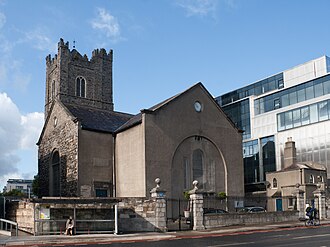
St Michan’s Church is famous for its preserved human remains in the crypt. These mummies are visible to the public during visiting hours, and the experience combines anatomical curiosity with the sober reality of church burial practices. The presence of preserved remains is documented; stories about curses and whispered voices belong to folklore. If you visit, treat the space with respect and remember these are human remains.
Christ Church Cathedral crypt
Christ Church includes an extensive crypt with medieval and later features; parts of it are open to visitors. The crypt’s architecture illustrates how ecclesiastical space was used for both worship and burial. Folklore about hidden passages and secret coffins persists, but the built record explains most structural oddities.
Dublin Castle undercroft
Some of Dublin Castle’s lower rooms and undercrofts are accessible on guided visits. These undercrofts demonstrate civic reuse over centuries — from storage to administrative use. Access can be scheduled or limited, so check current tour offerings and notifications before you plan a visit.
Other notable examples
Scattered across the city you will find cellar vaults beneath Georgian terraces, archaic burial vaults in parish churches, and museum cellars open by appointment. Many private Georgian vaults remain off-limits; where they are accessible, they are often part of curated heritage tours or museum visits. For related walking trails and local after-dark routes that link surface stories with structural remnants, see our Aungier Street After-Dark Trail: Dark History, Legends and Visitor Guide and the Blackrock Park Twilight Tales — Folklore, Myths & Evening Walk Guide.
For visitors interested in the maritime side of Dublin’s below-ground narratives, there are links between harbourside memorials and subterranean memory — see Ships, Memorials and Spectres: Dublin’s Maritime Memorials and Their Ghost Stories for further context.
Separating fact from folklore: common legends tied to vaults and crypts and the historical evidence
Below-ground spaces invite storytelling. Vaults and crypts are atmospheric and were often used for events that leave dramatic traces: disease, burial, secrecy and commerce. These facts are the foundation of many folktales, but legend often amplifies, misattributes or invents motives.
Common motifs include haunted vaults, cursed coffins and hidden treasure. Documented evidence generally supports the physical claims — bodies were interred, vaults contained goods — but not the supernatural additions. For example, preserved remains at St Michan’s are a documented physiological phenomenon. Folklore attaches voices, shadows and curses to those remains; these make compelling narratives but are not historical records.
Where stories cite clandestine passages used for smuggling or escape, the built environment sometimes confirms the existence of passageways. Where stories claim dramatic events that would have left a public record (mass burials, large-scale disasters) but no archival evidence exists, those accounts belong to legend. Distinguishing the categories matters: documented history explains how and why spaces were built; folklore explains how Dubliners and visitors have layered meaning onto them.
Practical visitor information — opening times, tickets, accessibility, safety and photography rules
Opening times and ticketing vary by site. Many crypts and vaults operate on a seasonal schedule or as part of cathedral and castle admission. Always check the venue’s current information before travelling; online listings and official tour pages are the best source for up-to-date hours and entry options.
Accessibility is a real concern. By nature, crypts and historic vaults often have low ceilings, narrow staircases and uneven stone steps. Some venues offer limited access improvements; others cannot accommodate wheelchairs or visitors with significant mobility restrictions. Contact venues in advance to discuss options.
Safety: low lighting, damp stone and uneven floors mean firm shoes and caution are sensible. Watch your head under low arches and take your time on stairs. Photography rules differ — some sites allow non-flash photography, others prohibit all photography to protect fragile surfaces or out of respect for human remains. Always follow posted rules and staff instructions.
How to experience these places on a Haunted Hidden Dublin tour (what our tours include and booking tips)
A guided Haunted Hidden Dublin tour pairs documented history with folklore, taking you to sites that are open to visitors and narrating the physical evidence alongside the stories communities have told. Our guides present the architectural facts, the known uses of vaults and crypts, and the local legends attached to them, making clear which details are supported by records and which are part of oral tradition.
We run small-group walks that move at an investigative pace: close-looking at masonry, respectful observation of interiors where allowed, and curated storytelling designed to deepen rather than sensationalise the experience. Booking in advance is recommended, particularly in peak tourist periods and for visits that include cathedral or castle access.
See these vaults and crypts with Haunted Hidden Dublin — book a guided tour now
If you are planning a private group or an educational visit, we also offer tailored group tours. For details about private bookings and bespoke itineraries, please contact our group tours team at the private booking page.
Private group bookings and bespoke Haunted Hidden Dublin tours
Responsible visiting and preservation: why access can be limited and how to respect sensitive sites
Many vaults and crypts are fragile. Moisture, temperature changes and human traffic can accelerate decay. Respectful visiting helps protect these spaces for future study and appreciation.
Do not touch human remains, artifacts or architectural fabric. Avoid using flash photography where it is prohibited. Keep noise to a minimum in sacred or funerary spaces. If access is restricted, do not attempt to enter; many sealed vaults are closed for safety and conservation reasons. Consider supporting conservation efforts and local heritage organisations if you want to help preserve these sites.
When you share stories on social media, note the difference between documented facts and folklore. Accurate, respectful descriptions help maintain the dignity of sensitive places and deepen public understanding.
FAQ
Can visitors go into Dublin’s crypts and vaults on their own, or do they need a guide?
Some crypts and vaults are open to independent visitors during public hours, while others require entry as part of an organised tour or by appointment. Guided tours are often the best way to access restricted spaces and to gain historical context. Check venue information before you go and consider a guided Haunted Hidden Dublin tour for curated access and interpretation.
Are Dublin crypts safe to visit and are they suitable for children or those with mobility issues?
Visits are generally safe when you follow instructions and take care on uneven surfaces. Crypts often have low ceilings, steep steps and damp floors, which can be challenging for young children and visitors with mobility issues. Contact venues ahead of your visit to discuss access arrangements and use discretion when deciding whether a particular site is suitable for your party.
How much of the folklore about ghosts and mummies is supported by historical records?
Physical features such as preserved remains and architectural vaulting are well documented. Supernatural claims — hauntings, curses or voices — are part of oral tradition and local storytelling rather than historical records. Our approach is to present the documented facts first and then explain how folklore grew around those facts.
Do I need to book in advance to see places like St Michan’s or the Dublin Castle undercroft?
Booking requirements vary by site and season. St Michan’s and Dublin Castle may operate on scheduled visiting hours or guided-entry formats; it’s wise to check their current visitor pages and to book ahead during busy periods. For guaranteed access and the fullest interpretive experience, consider pre-booking a Haunted Hidden Dublin tour.