
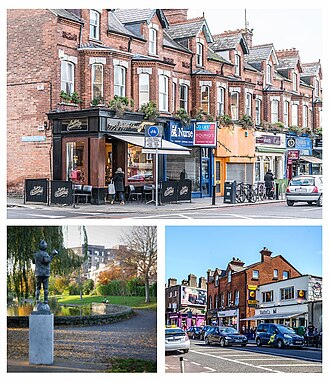
Ranelagh has the comfortable hum of a lived-in neighbourhood — tree-lined terraces, cosy pubs, and the steady flow of trams — yet many locals and visitors mention moments when the ordinary slips into something quieter and harder to name. Unexplained noises: a footstep where no one walks, a soft voice in an empty lane, a sudden draft on a still evening. This guide maps those reports with a practical eye: cataloguing where people hear them, separating folklore from what can be checked in records, offering safe and respectful advice for after-dark visits, and explaining natural causes so you know what to expect when you explore Ranelagh after dusk.
Explore Ranelagh’s eerie stories with Haunted Hidden Dublin — book a walking tour
What people report
Reports from residents and walkers in Ranelagh fall into a few recurring categories. These are anecdotal patterns gathered from conversations, local message boards and oral history rather than official police or archive records. We present them here without sensationalising, simply to help visitors understand what other people commonly experience.
Auditory phenomena: sudden, brief noises that seem to come from inside walls or from empty streets. These range from faint knocking to muffled conversations.
Footsteps and movement: many reports describe the sound of someone walking on a gravel path or on old floorboards where there is no visible source. This is often noticed near older terraces, laneways and back gardens.
Voices and murmurs: indistinct talking or whispering heard at low volume. The sound is usually too brief to make out words and often fades as you move toward it.
Temperature shifts and chills: people sometimes report a localized drop in temperature, a cool draft or the sensation of being watched. While unsettling, these sensations are subjective and can coincide with ordinary environmental factors.
The common pattern is brevity — encounters are usually quick, leaving more questions than answers. That brevity is why many of these reports remain local stories rather than documented incidents.
Separating folklore from documented incidents
It’s useful to distinguish between folklore or legend and incidents that can be verified in records. Folklore grows from repeated oral reports, sometimes stretching names, places and reasons until a story becomes part of local identity. Documented incidents, by contrast, appear in newspapers, official records, or archival material.
How to check for verifiable facts:
- Search local newspaper archives for reports that match the location and detail of an event. Many libraries offer access to digitised archives and local history collections.
- Ask local historical societies or parish offices about records that may confirm accidents, closures or notable events associated with a site.
- Use oral-history collections with caution: they are valuable but reflect personal memory rather than objective proof.
For Ranelagh, most of the “haunt” stories are rooted in oral tradition — repeated encounters passed between neighbours and long-term residents. There are fewer clear-cut, archive-backed examples in the neighbourhood itself than you will find in some larger cemeteries or industrial sites. For visitors interested in verified cases elsewhere in Dublin, our articles on the River Dodder Nightwalk and Glasnevin Cemetery Little-Known Ghost Stories explore places with stronger documentary traces.
Notable Ranelagh spots to visit
Ranelagh is modest in scale, but the mix of green spaces, Victorian terraces and traditional pubs concentrates the places where people report unexplained sounds. Below are public and well-known spots visitors typically walk through, with notes on what to expect.
Parks and green corridors
Small parks and tree-lined stretches near the Luas line create acoustic pockets where sound behaves oddly: leaves, branches and metalwork can create pockets of echo and gusts that carry sound. If you hear a soft footstep or rustle, consider whether wind, passing trams, or nearby traffic could be the cause before assuming something eerie.
Churchyards and older burial plots
Ranelagh has older churchyards and memorials that draw attention, especially at twilight. While these spaces often attract folklore, any claims of long-dead residents or spectral sightings typically sit within the realm of legend rather than verified record. For a comparison of cemetery folklore handled against archival research, see our piece on Glasnevin Cemetery.
Terraced streets and lanes
The Victorian terraces of Ranelagh have thin walls, old floorboards and narrow back alleys. Sounds that seem to come from inside a closed house often have mundane explanations: heating systems, thermal expansion of pipes, or neighbours moving about. These built-environment features help explain many “footsteps in empty rooms” reports.
Pubs and social hubs
Pubs are central to Ranelagh life. Stories circulate about particular bars — tales of past patrons or unexplained knocks — but most pub-related anecdotes are part of bar-room lore. If pub-stories interest you, we include them on guided walks and they often make the liveliest parts of a tour.
Readers interested in industrial folklore and worker-stories might also enjoy our article on Inchicore Factory Hauntings & Worker Legends, which shows how workplace memory can feed local legend.
Safety, etiquette and practical tips for after-dark visits
Ranelagh is generally safe, but after-dark visits require a bit of planning and respect. Here are practical guidelines for tourists who want to explore responsibly.
Stick to public routes: use well-lit streets, main footpaths and public parks. Avoid private lanes and backyard access. Respect private property and residents’ privacy — never attempt to enter a locked garden or building.
Plan transport: the Luas Green Line serves Ranelagh and nearby stops; late-night buses and taxis are available but plan your return if you expect to be out late. Familiarise yourself with the nearest junctions and main roads so you can rejoin public transport easily.
Stay in groups: unexplained sounds feel less alarming with others. If you walk alone, inform someone where you are going and when you expect to return.
Be mindful of noise: residents live close to the streets and small parks. Keep voices low and lights respectful. If you encounter others doing similar walks, maintain distance and don’t block pathways.
How to interpret what you hear
Many “mysterious” sounds have ordinary explanations. Separating the plausible from the merely atmospheric helps you appreciate the experience without leaping to dramatic conclusions.
Architectural sounds: old houses creak as timbers contract and expand. Rain on leaded roofs, clocks, and central-heating pipes produce sharp, sudden noises that can sound like knocks or footsteps.
Wildlife and nature: birds, foxes and bats are active at dawn and dusk, and their calls carry differently at night. Small animals in hedges or undergrowth can create the impression of footsteps coming from a path or garden.
Urban noise: distant traffic, the Luas or a passing bus can refract through alleys and between buildings, producing unexpected echoes. Sound can also travel under doors and through drainage systems, giving the impression of a source where there is none.
Psychological factors: expectation matters. If you’ve read about hauntings, your attention skews toward ambiguous noises. That’s why contextualising reports as either folklore or documented incidents is important for a level-headed visit.
Joining a guided experience
A guided walk with a local guide is the safest and most informative way to explore Ranelagh’s quieter corners. Haunted Hidden Dublin’s tours combine local knowledge, historical context and responsible storytelling so you can enjoy atmospheric places without trespass or alarm.
What our Ranelagh-focused walk typically offers:
- Carefully chosen routes that focus on public streets, parks and characterful buildings where reports cluster.
- Clear distinction between documented history, oral tradition and local legend — you’ll be told which stories are backed by records and which are neighbourhood lore.
- Practical safety guidance for after-dark walking and transport tips to get you home.
- Opportunities to ask about related city-wide themes, from cemetery folklore to industrial worker legends, linked to other walks (see our River Dodder and Inchicore pages for related contexts).
Explore Ranelagh’s eerie stories with Haunted Hidden Dublin — book a walking tour If you have a private group or specialised interest, we also run tailored walks for groups and corporate bookings: book a private group tour.
Guided tours provide context that helps you enjoy the mood of the neighbourhood while staying safe and respectful. If you’d like to think like a storyteller, our short reading on microfiction prompts can help you frame the things you hear without exaggeration: Writing Tight Dublin Microfiction.
Concluding notes
Ranelagh’s unexplained noises and haunt reports are part of the texture of a living neighbourhood. Many accounts are short, personal and atmospheric rather than evidentiary. With a little context — an awareness of building sounds, wildlife and the power of expectation — you can enjoy the thrill of the unknown while staying grounded in what’s verifiable. If you want the safest and most illuminating experience, join a guided walk that combines local knowledge with respect for residents and public spaces.
Explore Ranelagh’s eerie stories with Haunted Hidden Dublin — book a walking tour
FAQ
Are the unexplained noises in Ranelagh real or just local folklore?
Many reports are real in the sense that people genuinely heard something; however, most are anecdotal and part of oral tradition rather than documented incidents. Distinguishing subjective experiences from verifiable events is key: consider whether archival sources, newspapers or official records corroborate a specific claim.
Is it safe to walk around Ranelagh at night to look for haunt-related sites?
Ranelagh is generally safe, but take common-sense precautions: use well-lit public routes, travel in groups, plan your transport and respect private property. Guided tours are a good option for night visits because they follow safe routes and provide context.
Can I visit the reported sites on my own or is a guided tour recommended?
You can visit public spaces on your own, but a guided tour is recommended if you want historical context, clear distinctions between fact and folklore, and a safer, more informative experience. Guides also help avoid accidentally trespassing on private property.
Do Ranelagh pubs have their own ghost stories worth hearing on a tour?
Yes. Pubs are central to local storytelling and many host bar-room anecdotes that add colour to a walk. These tales are often folklore rather than verified history, but they make for memorable storytelling when presented with clear context.