
Hellfire Club Ruins Night Tales: History, Legends & Visiting Guide
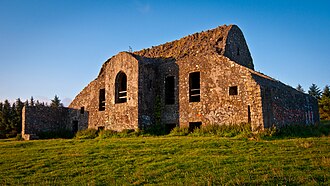
The Hellfire Club ruins on Montpelier Hill have long drawn Dubliners and visitors after dark — a lonely roofline visible against the skyline, stories that tangle religion and mischief, and a landscape that takes on a different mood by torchlight. This guide is practical and careful: it separates what is documented in records from the oral traditions that grew up around the place, lists the most commonly told night-time tales with clear labels, and gives safe, commercially useful advice for anyone planning a nocturnal visit.
Documented history of the Hellfire Club site (18th–19th century)
What historians can verify about the Hellfire Club site is limited but consistent: a substantial building existed on Montpelier Hill from at least the 18th century, used as a hunting lodge and later occupied in different capacities before falling into disrepair. Estate maps, surviving land records and local administrative documents confirm the presence of a roofed structure and associated paths on the hill during that period.
The building’s change of use across the 18th and 19th centuries — from a private hunting lodge to intermittent habitation, to an abandoned ruin — is recorded in estate papers and local records. These sources also show that the hill and surrounding lands passed through several hands, as was normal for Irish estates of the era.
By the late 19th and early 20th centuries the structure no longer functioned as a maintained residence. Contemporary local reports and later photographic records document collapse, vandalism and partial demolition at different points. The ruin visible today is the result of that long decline rather than a deliberate preservation as a monument.
Night tales and folklore: a labelled catalogue
Below are the most commonly told night-time tales associated with the Hellfire Club. Each entry is clearly identified as verified record or oral tradition/unverified.
“The Devil in the Chair” — Oral tradition / unverified
A persistent story claims a visitor once sat in a stone chair at the lodge and found a clawed hand on their shoulder, or that a carved seat bears the imprint of the devil. This is an oral tradition; there is no contemporary documentary evidence to support a physical encounter.
Apparitions and shadowy figures — Oral tradition / anecdotal reports
Locals and night-time visitors have reported sightings of a tall figure, a hooded man or a mounted rider on the ridge. These accounts are a mix of anecdotal reports collected over decades and should be treated as folklore rather than empirically documented phenomena.
Rituals and obscene gatherings — Oral tradition / contested
Stories that groups performed satanic rites, mock Masses or explicit rituals on the site are widespread. They originate in hearsay and sensational press coverage from later centuries and are not supported by reliable official records. The label “Hellfire Club” itself was applied to a range of clubs in the British Isles and often carried scandalous overtones, which amplified rumours.
Suicides and tragic deaths — Mixed: some documented, many unverified
Reports of isolated deaths in the area do appear in local archives, but many stories that claim multiple, linked suicides or ritual killings are unverified. Where deaths are documented they are generally treated as separate events without clear connection to any organised occult activity.
Separating fact from fiction
Historians and archivists approach the Hellfire Club tales the same way they treat any local legend: by checking land records, estate papers, parish registers, contemporary newspapers and physical evidence on the ground. Where documentation exists — for example, maps that show the lodge and ownership transfers — it is reliable. Where stories rely solely on later retellings, sensational newspaper copy or anonymous anecdotes, they remain unverified.
Folklore often fills gaps left by patchy records. A ruined building, a dark skyline and a local nickname create fertile ground for invention. That does not diminish the stories’ cultural value; it does, however, mean visitors should distinguish evocative narrative from established fact.
Planning a night visit: legal access and practicalities
Before you set out, understand that access conditions can change. Some paths and car parks around Montpelier Hill are public, while other areas may be private or managed by state or local bodies. Always follow on-site signage and local instruction to avoid trespass.
Best times: for a controlled night experience choose early evening or shortly after dusk. Very late-night solo visits increase personal risk and the chance of causing disturbance. If you want atmospheric darkness without the hazards of deep night, plan around civil twilight for safer footing and reasonable visibility.
Transport: public transport and taxis can get you to Dublin suburban points; the site lies outside central Dublin and may require a short taxi or walk from the closest stop. If you drive, use designated parking areas and avoid blocking gates or farm entrances.
Lighting and footwear: bring a reliable torch or headlamp (extra batteries), sturdy footwear with grip, weatherproof layers and a charged phone. The ground is uneven, and weather changes rapidly on exposed ridges.
Safety considerations: tell someone where you’re going and when you expect to be back. Avoid visiting alone at very late hours. Be prepared for limited phone signal and bring basic first-aid supplies.
Responsible behaviour and photography
The ruin and its landscape are part of local heritage. Do not climb on unstable walls, remove stones or disturb vegetation. Litter, graffiti and fires damage the site and are often illegal.
Photography: respectful photography is welcome, but use common sense. Avoid endangering yourself for a shot, do not trespass onto private land for a better angle, and be mindful of other visitors. If you are using a tripod or set-up, be courteous and avoid blocking paths.
Respect privacy: nights at the hill can be quiet for nearby residents. Keep noise to a minimum and leave the site as you found it.
Guided options and commercial offerings with Haunted Hidden Dublin
A guided night walk with Haunted Hidden Dublin offers safety, local knowledge and curated storytelling that separates verified history from folklore. Booked tours are led by trained guides who know the safest routes, current access conditions and how to frame the many stories responsibly.
Typical inclusions on a Haunted Hidden Dublin Hellfire Club night walk:
- Experienced guide and small-group format for safer movement after dark.
- An evidence-led history segment covering documented ownership, maps and the lodge’s changing use.
- A clearly labelled folklore section that recounts oral traditions without asserting them as fact.
- On-the-ground safety briefing, route guidance and Q&A time for photography tips and local context.
Sample itinerary (evening): meet at an agreed public point; short walk to the hill; introduction to the documented history; guided visit to viewpoint and ruin perimeter; folklore session and discussion on conservation; return. Group bookings for private events and tailored walks are available — please enquire for bespoke arrangements.
For private groups and corporate bookings see our private group options: Book a guided Hellfire Club night walk with Haunted Hidden Dublin for private groups — reserve via Hidden Dublin Walking Tours
Further reading and sources
If you want to research further, local archives, parish records and estate papers are the best primary sources for the documentary side of the story. For accessible, readable background on related Dublin dark-history walks and names, these local pages are helpful:
- Insurance and Liability Basics for Dublin Night-Walk Operators — useful if you plan commercial work or group liability concerns.
- Phibsborough After‑Dark Haunt Trail: A Self‑Guided Walk of Dark History & Local Legends — other nearby dark-history routes.
- Smithfield After Dark: Ghost Legends & Late‑Night Sightings in Dublin — comparative local tales.
- Ghostly Names in Dublin Street Names: History, Legend & Where to See Them — place-name folklore and context.
- Drimnagh Castle Midnight Tales: History, Legends & Visitor Guide — another example of separating recorded history from legend.
If you plan to join a guided walk, booking in advance secures your place and ensures guides can provide accurate, context-rich storytelling and on-the-night safety. To reserve a place on our scheduled Hellfire Club night walks, visit:
FAQ
Is it legal and safe to visit the Hellfire Club ruins at night?
Legal access varies by exact route and local land ownership. Some approaches and viewpoints are on public land; others border private property. Safety risks include uneven terrain, poor light and limited phone signal. Use marked paths, follow signage, avoid trespass, travel with others and consider a guided tour for the safest experience.
Are the famous Hellfire Club ‘devil’ and ghost stories based on documented events?
Most vivid devil and ghost stories are part of oral tradition and later retellings rather than documented contemporary events. While the site and certain incidents are recorded in historical documents, sensational claims of ritual activity or supernatural manifestations lack reliable primary-source confirmation.
What should I bring and wear for a night visit to the Hellfire Club?
Bring a dependable torch or headlamp with spare batteries, sturdy footwear with good grip, weatherproof outer layers, a fully charged phone, and a basic first-aid kit. Wear visible clothing if you’ll be near roads, and avoid jewellery or valuables that could be lost on rough ground.
Do you offer guided night tours to the Hellfire Club ruins for private groups?
Yes. Haunted Hidden Dublin offers private group bookings and bespoke night walks tailored to groups of varying sizes. For details and reservations for private groups, see our private booking page: Book a guided Hellfire Club night walk with Haunted Hidden Dublin for private groups — reserve via Hidden Dublin Walking Tours