
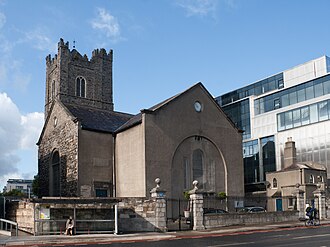
St Michan’s Church Crypt Whispers: History, Legends & Visitor Guide
St Michan’s Church crypt whispers have drawn generations of curious visitors to Dublin — a layered attraction where genuine medieval architecture, naturally preserved human remains and a long-running oral tradition of ghost stories meet in a single, atmospheric vault. For visitors the question isn’t only whether the stories are true, but how to separate documented history from compelling folklore while planning a safe, respectful visit.
Book a Haunted Hidden Dublin walking tour to visit St Michan’s crypt and other haunted Dublin sites
Documented history of St Michan’s Church and its vaults
St Michan’s stands on a site with medieval roots and has seen several phases of repair and reconstruction. The church’s vaults were originally practical spaces: burial vaults for parishioners and family vaults for those who could afford private internment. Over the centuries, as the urban landscape of Dublin changed, those vaults became closed off and their interiors remained relatively undisturbed, which is why some of their contents survived in the way they did.
Architecturally, the church shows a mix of older masonry and later restoration work. Where documentary records exist they tend to note the use of vaults for burial and storage rather than the supernatural, which is important when distinguishing archive-based history from the stories that followed.
The mummified remains and preservation explained
Visitors often describe the sight of mummified faces and skeletal remains as eerie. The preservation of those bodies is a natural, explainable phenomenon rather than a supernatural one. Researchers and conservators point to a combination of conditions inside the vaults — cool, stable temperatures, low humidity, and air chemistry influenced by the stone and the vault construction — that slow decay and desiccation.
There is agreement among conservators that these are real human remains that have become naturally mummified. What is less certain in publicly available records is the complete biography of every individual in the vaults: parish registers and other documents can be incomplete, and many vaults contain remains from different periods. Where possible, museums or conservation teams provide context, but some identifications remain conjectural unless there has been targeted study.
Whispers, hauntings and local folklore
Stories about whispers, footsteps, sudden chills and shadowy figures have become attached to St Michan’s crypt over the decades. Oral histories and guidebook anecdotes have a way of amplifying isolated experiences into recurring motifs: a whisper heard in a narrow passage becomes a legend retold on tours and in pubs. Common motifs include reports of phantom footsteps, the impression of breath on the neck, and the idea that voices answer back to the living.
How did these tales start? Often they have simple, human beginnings: an unexpected sound in a stone corridor, the psychological effect of dim light and expectation, or a selective memory of a group visit where one person swore they had a strange experience. Urban folklore scholars call this process “legend building” — small events become narratives that serve social and cultural purposes, especially in places that attract tourists.
It’s important to distinguish legend from record. Folklore is valuable: it reflects local imagination and the cultural history of a place. But legend is not the same as documented evidence. When a guide or article says a vault is “haunted,” ask whether that claim is based on archival material, recorded testimony, or simply a long-standing tale passed between storytellers.
Visiting practicalities — what to know before you go
St Michan’s crypt is popular and visits are often managed to protect both the fabric of the vaults and the dignity of the remains inside. Practical points to plan your visit:
Opening hours and tickets: opening times and ticketing arrangements can change seasonally. Check the current hours before you travel and consider booking in advance during high season. Guided entrances are common to limit numbers in narrow vault spaces.
Accessibility: the vaults involve stairs and confined spaces. They are not fully wheelchair accessible and can be challenging for people with limited mobility. If accessibility is essential, contact the venue or your tour operator ahead of time to discuss options.
Photography and behaviour: photography may be allowed but often with restrictions — no flash, no tripods, and clear rules about not touching remains. Even where photos are permitted, remember these are human burials; respectful behaviour is expected. Avoid loud talk, running, or any actions that could damage the tombs.
Health and safety: low light, uneven steps and narrow passages mean you should wear sensible shoes and be prepared for a dim, cool environment. Follow staff or guide instructions for your own safety and the protection of the site.
What a guided Haunted Hidden Dublin visit covers
On a Haunted Hidden Dublin walking tour that includes St Michan’s you’ll get context that helps separate fact from folklore. Guides trained by Haunted Hidden Dublin provide:
• Historical context about the church and how vaults were used.
• Explanations of why remains are preserved and what conservators know.
• The origin stories behind local legends and how those stories spread.
• Practical guidance during the visit — safety, photography rules, and respectful conduct.
For groups, your guide will manage timing so the vaults don’t become overcrowded. Private tours can spend more time on-site and tailor the narrative to specific interests, whether architectural history, funerary customs or the darker threads of Dublin folklore.
Responsible visiting and after-visit suggestions
Responsible visitors treat St Michan’s and its vaults with restraint and respect. That means no touching or leaning on coffins, no loud or disruptive behaviour, and following the guidance of staff and guides. The remains are part of people’s heritage; consider how you would wish your own ancestors to be treated in a similar setting.
After your visit, there are several nearby themed sites and reading suggestions to expand your understanding of Dublin’s haunted landscape. Explore other local histories such as the Dorset Street Workhouse Phantoms — History, Folklore & Visitor Guide to see how institutional histories carry ghost stories, or follow a night walk that traces urban change in Phantom Tram Echoes: Dublin’s Lost Tramlines. If you enjoy seaside folklore, Baldoyle Estuary Ghost Tales links coastal stories to local geography.
For collectors and thoughtful mementos, consult Souvenir ideas for Dublin ghost tours: Local keepsakes & where to buy to find items that respect the tone of a dark-heritage visit. And if you run tours yourself or are curious about promotion, Low-Cost Digital Marketing for Dublin Dark Tours offers practical tips for small operators looking to reach visitors without overhyping sensitive sites.
Book a Haunted Hidden Dublin walking tour to visit St Michan’s crypt and other haunted Dublin sites
If you’re organising a private event, group booking or corporate outing, consider the tailored option for a quieter, more controlled visit: Book a private Haunted Hidden Dublin group tour for customised storytelling, flexible timing and focused historical detail.
Final notes: balancing curiosity and respect
St Michan’s crypt whispers are part of a living cultural conversation: the human tendency to tell stories about death, memory and the uncanny meets the responsibilities of heritage stewardship. By learning how archivists, conservators and historians distinguish documented facts from folklore, you can enjoy the atmosphere without mistaking legend for record. A guided visit from Haunted Hidden Dublin will give you the context you need to appreciate both the facts and the folklore — and to return home with a clearer sense of what you actually experienced.
FAQ
Are the mummified bodies in St Michan’s crypt real?
Yes. The remains on display are real human remains that have naturally preserved under the specific environmental conditions in the vaults. Conservators explain this preservation as the result of cool, stable temperatures and low humidity rather than any supernatural cause.
Can I enter the crypts on my own or do I need a guided tour?
Access is commonly managed to protect the vaults and the remains. Many visitors enter as part of a guided group; availability for independent visits varies. It’s best to check current arrangements and book in advance if possible.
Is photography allowed inside the crypt and are there restrictions?
Photography rules can vary. Flash, tripods and extended lighting setups are often restricted to avoid damage and respect the site. Follow the venue’s instructions or your guide’s advice during a tour.
Are the ghost stories about whispers and footsteps based on evidence?
The ghost stories are primarily part of oral tradition and visitor reports rather than documented, verifiable evidence. They are culturally and socially meaningful, but they should be distinguished from archival records and scientific study.