
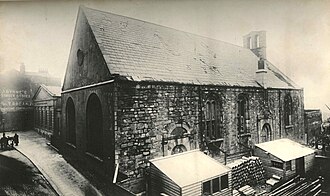
St Bride’s Church spectral lore Dublin: history, hauntings & visitor guide
St Bride’s Church sits quietly within Dublin’s layered streets, a place where worn stone, memorial inscriptions and the hush of a churchyard invite both calm reflection and the curiosity of those drawn to the city’s darker stories. Visitors seeking history, architecture or a brush with the city’s spectral reputation consistently find the site compelling: part parish, part historic landmark, part vessel for oral tradition.
Introduction: Why St Bride’s Church intrigues visitors and ghost-hunters
There are several reasons St Bride’s appeals to history-lovers and ghost-hunters alike. Its long-standing presence in the urban fabric gives it an air of continuity; weathered graves and commemorative plaques hint at lives lived close to the rhythms of the city; and stories—both local and imported—have layered meaning onto the site. Whatever draws you, a clear-headed approach that separates documented fact from folklore makes a visit more rewarding.
Book a Haunted Hidden Dublin walking tour to visit St Bride’s Church and other haunted sites
Documented history of St Bride’s Church
Documented history here means what appears in records, architectural surveys, parish registers and civic archives. St Bride’s has a long ecclesiastical pedigree: the site has served as a parish church for generations and features architectural elements that reflect multiple phases of building and repair. The exterior shows the handiwork of different periods, while interior fittings and memorials record parish life and notable congregants.
Key documented features you can expect to verify on site include masonry from later repairs, memorial tablets and registers that record baptisms, marriages and burials. Parish archives and local repositories hold these registers and can confirm names and events noted on memorials. Where architecturally apparent, repairs and additions reflect changing liturgical needs and conservation efforts rather than supernatural causes.
There have also been recorded civic interactions with the church: the site has occasionally been involved in community initiatives, conservation projects and local historical studies. For independent researchers the parish or local archives are the proper route to consult primary records rather than relying on hearsay.
Legends and folklore (oral tradition)
The tales that surround St Bride’s are part of the oral tradition—stories passed between neighbours, recounted in late-night conversations, or adapted into walking-tour anecdotes. These include accounts of lingering figures glimpsed in the churchyard, unexplained footsteps inside the nave, or the idea that particular tombs attract a colder air. By their nature these stories change with each telling and often borrow motifs familiar from other Celtic and British churchyard traditions.
Labelled plainly as folklore, such narratives are valuable cultural material. They tell us about local fears, communal memory and how later generations reinterpret the past. They are not, however, substitutes for documentary evidence. Treat these legends as a layer of cultural meaning that enriches a visit rather than as literal history.
Reported sightings and contemporary accounts
Contemporary reports tend to follow a small range of patterns: visitors describing sudden drops in temperature, camera images that show indistinct shapes or light anomalies, and eyewitness accounts of fleeting silhouettes near monuments. Many claims are sincere and honestly reported; others are ambiguous and often lack independent corroboration.
When evaluating anecdotal reports, consider common natural explanations: drafts in old buildings, reflective surfaces, insects near a camera lens, and the brain’s propensity to find familiar shapes in random stimuli. Emotional context matters too—if you visit expecting to experience something uncanny, confirmation bias can influence perception.
That said, the accumulation of consistent, independently reported experiences from different visitors can indicate a place’s strong atmospheric effect, even if those experiences do not equate to verifiable paranormal phenomena. The prudent approach is to document carefully, compare accounts, and acknowledge the limits of anecdote.
What to see on-site
St Bride’s rewards close looking. Exterior stonework, buttresses and rooflines tell an architectural story. Inside, take time with memorial tablets and inscriptions—these give personal context to the parish community across generations. Stained glass, if present, often commemorates donors or local events and can reveal tastes and artistic trends of past decades.
The churchyard is part of the experience. Weathered tombstones, carved motifs and placement of monuments reveal social hierarchies and family histories. Some memorials have become focal points for the oral stories mentioned above, so they are worth a respectful look.
Photographers will find detail in ironwork, column capitals and carved stone. If a crypt or vault is open to the public, treat it as both an architectural feature and a space of remembrance. Avoid sensationalising the setting; the most interesting discoveries are often small, human traces that connect you to the people who built and attended the church.
How to visit: entry, guided-tour options, photography, accessibility and practical tips
Entry arrangements vary. Many churches are open for services and limited visiting hours; some may require contacting the parish for access to interior spaces. For the most reliable experience, join a guided walking tour that includes St Bride’s as a stop—guides can arrange access, offer historical context, and point out features you might miss on your own.
Guided options from Haunted Hidden Dublin combine recorded history and folklore in a structured format. Our themed walks frequently pair the church with neighbouring sites to create a coherent route—examples include nearby ecclesiastical and civic locations that enrich the narrative, such as the Huguenot Cemetery, which has its own layered stories about community memory and burial practice (Huguenot Cemetery, Dublin — History, Hauntings & Visitor Guide).
Photography is usually permitted in public areas, but always check for signage and respect any restrictions. Flash may be disruptive during services. Accessibility can vary: older buildings often have steps and narrow doorways; if you have mobility needs contact the parish or a tour operator in advance to confirm arrangements.
Practical tips: wear sturdy shoes for uneven stone, dress for sudden weather changes, and bring a torch if you plan to visit near dusk. Keep voices low; churches are active worship spaces and sacred to many visitors.
Where St Bride’s fits on a Haunted Hidden Dublin route and nearby haunted church stops
St Bride’s is often part of broader thematic routes that explore Dublin’s historic churches, alleys and civic memories. A typical haunted-route itinerary might pair St Bride’s with Georgian streets and gates, old city walls, and other sites with mingled histories.
For instance, an evening route might lead from St Bride’s toward evocative lanes featured on our Old Dublin Gates and Alleys Ghost Walk (Old Dublin Gates and Alleys Ghost Walk — Guided history & haunted laneways), or link to the Dublin City Walls After-Dark Ghost Trail for a defensive-architecture perspective (Dublin City Walls After-Dark Ghost Trail — History, Folklore & Visitor Guide). Other nearby thematic connections can include Georgian-era houses along Baggot Street or city-centre landmarks such as Clerys, where urban stories have gathered in different registers (Baggot Street Georgian Ghost Tales, Clerys Department Store Ghost Stories).
Respect, safety and ethical considerations when visiting sacred or sensitive sites
St Bride’s is both a historic site and a living place of worship. Respect is paramount. Avoid loud behaviour, do not climb on monuments, and treat graves and memorials with care. Photography should not disturb services or private moments of remembrance.
Safety-wise, churchyards can be uneven and poorly lit. Stay on paths, especially at night, and follow any directions from staff or guides. Ethically, resist commodifying grief—stories about the dead should be handled sensitively and contextualised rather than sensationalised.
For groups or private bookings, we can discuss arrangements that respect the parish’s needs. Small-group visits reduce impact and make it easier to engage with the place thoughtfully. If you represent a group, consider booking in advance to ensure your visit is welcome and coordinated.
Book a Haunted Hidden Dublin walking tour to visit St Bride’s Church and other haunted sites
If you have a private group, we can tailor a walk to your interests and schedule—please visit our private bookings page to enquire about group tours and customised routes: Book private group tours in Dublin.
FAQ
Is St Bride’s Church open to visitors and do I need to pay to enter?
Opening hours and access vary by parish. Many churches welcome visitors during set hours or by arrangement. There is generally no admission charge for visiting an active parish church, though guided tours or special access to restricted areas may have a fee. Check with the parish or join a scheduled Haunted Hidden Dublin tour for guaranteed access.
Are the ghost stories about St Bride’s Church based on historical records or later folklore?
Most ghost stories associated with St Bride’s are part of oral tradition and later folklore. While the site has documented parish records and material history, spectral tales typically arise from community storytelling rather than archival documents. Separating these layers helps preserve both the factual record and the cultural meaning of the stories.
Can I include St Bride’s Church on a Haunted Hidden Dublin guided walking tour?
Yes. St Bride’s frequently features on our themed walks when logistics and parish permissions allow. Booking a Haunted Hidden Dublin tour ensures a knowledgeable guide, contextual commentary and often improved access compared to visiting independently. To book a regular tour, use our main tours page; for private group arrangements, see our group bookings page.
Are there parts of the church or grounds visitors should avoid or treat with special respect?
Yes. Active worship areas, sacristies, clergy offices and any areas marked as private or restricted should be avoided. Treat all graves, inscriptions and memorials with care. If a ceremony is taking place, allow space for worship and return at another time or join in respectfully if appropriate.