
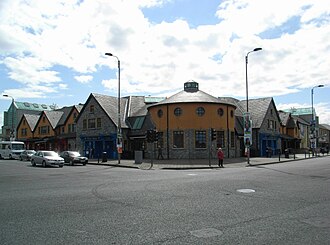
Celtic Crossroads: Pagan Folklore Echoes in Dublin’s Outer Districts
Crossroads have long been charged places in Celtic and Irish imagination: liminal spaces where routes meet, choices are made, and the everyday rubs against the uncanny. In Dublin’s outer districts — where old lanes, townlands and hedgerows survive beneath suburban sprawl — traces of those beliefs persist in place-names, oral tales and the occasional marked stone. This guide helps visitors identify likely crossroads, separates what history can verify from local legend, and suggests routes and etiquette for exploring these evocative corners safely and respectfully.
Why crossroads matter in Celtic and Dublin folklore
In many cultures crossroads carry symbolic weight: points of transition, boundaries between territories and meeting places for the living and the not-quite-living. In Irish tradition, intersections of paths could be associated with spirits, offerings, and protective devices. In Dublin, these traditions adapted as the rural landscape changed — what was once a bog-track or a droveway now sits at the junction of suburban roads.
For visitors, crossroads offer accessible, outdoor sites where landscape, language and legend meet. They are easier to visit than isolated hills or private ringforts, but they still require sensitivity: many sit near homes, active farms or conservation land.
History vs. legend: What we can document and what lives in oral tradition
Documented history
Archaeology and place-name studies can confirm that certain junctions have long-term significance. Wayside crosses, market crossroads and parish boundaries are often shown on historic maps and recorded in local registers. Where churches or medieval roads intersect, documentary traces — such as references in estate maps or parish minutes — can anchor a site’s importance.
In Dublin’s periphery, documented evidence usually points to crossroads as practical nodes: meeting points for fairs, routes to markets, or the siting of milestones and shrines. Those practical uses are historical facts that surface in archives and surviving map evidence.
Folklore and oral tradition (clear label)
Folklore fills the gaps that records leave open. Stories of bargains struck at the cross, of warning stones where strangers must leave an offering, or of spirits who mark the correct path are part of oral tradition. These tales vary by townland and teller, and they often blend pre-Christian motifs with Christian-era imagery.
When we talk about crossroads offering protection or demanding payment from travellers, we are describing folklore: meaningful, culturally rich stories that cannot be treated as archaeological fact. Treat these stories as a living layer of meaning rather than literal history.
Where to find notable crossroads in Dublin’s outer districts
Look for place-name clues: names containing “Cross”, “Crossroads”, “Ford”, “Gate”, or “Green” often indicate historic meeting points. Townlands with old wayside crosses or milestone markers are likely spots to investigate. Boundary markers that survive on hedgerow lines can also indicate former crossroads.
Neighbourhoods to explore include outer rings such as Finglas, Rathfarnham, Lucan, Tallaght and Howth’s hinterland. In these places, older lanes cut into the newer road grid; in others, you’ll find small green triangles and turning circles that trace older junction patterns.
Practical tip: use local conservation notices and community history groups to confirm access. Some crossroads are adjacent to small cemeteries, holy wells or old parish routes; others are simply field junctions that remain in use.
Tales and motifs: common crossroads legends, offerings, and protective practices (folklore)
Folklore motifs around crossroads cluster around a few recurring ideas: bargains and thresholds, leaving offerings to secure safe passage, and the crossroads as a testing place for the traveller.
Common motifs you may hear include:
- Offerings of food, coins or flowers left at a marker to appease local spirits.
- Stories of turning back at the crossroads to avoid a curse or misfortune.
- Encounters with luminous figures, strange animals, or voices offering directions that should not be followed.
Remember that these are folklore: powerful cultural narratives that give meaning to place but are not verifiable as historical actions. If you’re curious about modern urban legends and how contemporary tales spread through Dublin neighbourhoods, see this look at Eerie Voicemail Myths: How Recent Urban Legends Are Spreading in Dublin.
Suggested walking routes and short itineraries for visitors
The following short itineraries are designed for foot-based exploration, starting from accessible transport links and keeping distances manageable. Each route mixes documented features (old crosses, boundary stones, parish lanes) with the oral tales local guides collect.
Route A — A 2–3 hour outer-rim loop (good for public groups)
Start at a suburban rail or bus terminus, follow an old lane out of the centre toward a small green or village cluster, and locate the historic crossroads by the lane convergence and any standing stone or cross-base. Pause to discuss place-name clues and local oral accounts, then return by a different route to create a loop.
Route B — Short village circuit (ideal for families)
In a village that retains a central green or churchyard, trace the approaches to the old market crossroads. These short circuits are often rich in layered stories, from market histories to later ghost tales that echo those themes; for related urban hauntings in enclosed urban spaces see Hidden Courtyards of Dublin: Enclosed Spaces with Uncanny Stories.
Private-group option — tailor a 3–4 hour outer-district exploration
For groups that want deeper access, private tours can arrange permission to visit marginal sites, combine crossroads with nearby holy wells or disused lanes, and offer interpretive talks. If you’re organising a private outing, consider the page for group bookings when you plan: Book a guided public tour or arrange a private group to explore Dublin’s hidden crossroads and folklore.
Practicalities: safety, permissions, respectful behaviour, and local sensitivities
Crossroads are usually in public spaces or alongside minor roads; nonetheless, take basic precautions. Wear sturdy shoes for uneven ground, take a map or offline route on your phone, and be cautious of traffic if you are on rural roads.
Never enter private property without permission. Many crossroads sit near working farms, private residences or conservation land; ask locally before lingering or taking photos that include private yards.
If you encounter an established site where offerings are left, be mindful: do not remove or add anything that might offend local residents or damage the environment. Avoid leaving perishable items or plastic; natural flowers are less intrusive, though leaving nothing is often the most respectful choice.
For discussions of comparable sensitive spaces in Dublin’s urban fabric — and the ethical handling of eerie stories in confined places such as hospitals, shops and backstreets — see related pieces on Victorian infirmaries and shuttered shops: Victorian infirmaries: hospital corridors and strange patient tales in Dublin and Shuttered shops and backstreet merchants: Ghosts of Dublin’s small businesses.
How a guided tour enhances the experience
A guide brings local knowledge, a trained sense of route safety, and the ability to separate documented fact from folklore in real time. Guides can point out archive-backed features, identify likely markers, and tell the oral traditions that accompany each spot while making clear which claims are anecdotal.
Public tours are useful for solo travellers or small parties who want a shared experience. Private tours suit groups wanting longer visits, additional interpretation, or visits that require permission. Guides also supply context that shows how modern tales morph from older motifs — for example, how a market-cross story can evolve into a ghost story in twentieth-century retellings.
If you’re interested in seeing how practical props, low-cost staging and atmospheric presentation are used by local operators, the following resource offers ideas used by guides and community storytellers: Low-Cost Props and Costume Ideas for Dublin Ghost Tours.
Whether you travel with a public group or arrange a private outing, respectful curiosity will deepen your experience. Book a guided public tour or arrange a private group to explore Dublin’s hidden crossroads and folklore. For tailored group arrangements, see our private bookings page: Book a guided public tour or arrange a private group to explore Dublin’s hidden crossroads and folklore.
FAQ
Are the crossroads mentioned authentic pagan ritual sites or later folklore associations?
Most crossroads in Dublin’s outer districts show a mix: archaeological and documentary evidence usually supports their long-term use as meeting points, market nodes or parish boundaries. The specific role as “pagan ritual sites” is typically a matter of folklore rather than provable fact. Treat accounts of ritual use as oral tradition unless supported by archaeological or archival evidence.
Can I visit these crossroads on my own, and are they accessible by public transport?
Many crossroads are publicly accessible and reachable by bus, rail or a short walk from suburban centres. Short walking routes above describe how to build circuits from transport hubs. Always check local access (some lanes cross private land) and use maps or a guide if you are unsure.
Is it safe to explore these locations at night and are there restrictions on offerings or activities?
Night visits increase safety risks: uneven ground, traffic and private property concerns make daylight visits preferable. As for offerings, never leave materials that could harm wildlife or upset neighbours; avoid open flames, and be prepared to remove anything you place. When in doubt, observe rather than interact.
Do you offer private group tours that focus on folklore and lesser-known outer-district sites?
Yes. We can tailor private group tours to focus on crossroads, holy wells and the oral traditions of Dublin’s periphery. For private bookings and bespoke itineraries, please see our group tours page: Book a guided public tour or arrange a private group to explore Dublin’s hidden crossroads and folklore.