
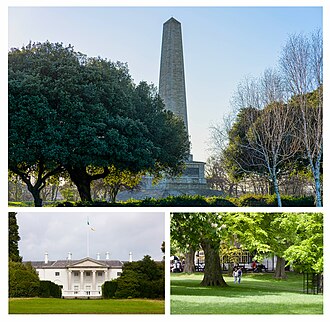
Iveagh Gardens has a reputation that swells after dusk: clipped hedges and shadowed paths, moonlit water features, and the occasional account of a pale figure seen between the yew trees. This guide is written for visitors and small‑group operators who want a practical, grounded introduction to “Iveagh Gardens moonlit apparitions” — blending documented history with collected eyewitness reports, separating verifiable facts from folklore, and offering concrete advice on routes, timing, safety, photography and how to add the gardens to a Haunted Hidden Dublin booking.
Book a Haunted Hidden Dublin moonlit tour — reserve your spot now
Documented history of Iveagh Gardens
The gardens behind Iveagh House are an urban greenroom with a layered past. Unlike a purely mythical landscape, much of the site’s development is a matter of public record: the gardens originated as a designed private landscape associated with the Iveagh/Guinness estate and later became a publicly accessible garden. Its character today — terraced lawns, ornate gates, sunken gardens and grotto features — is the result of Victorian and Edwardian landscaping traditions adapted to a compact city plot.
Records such as municipal plans, conservation statements and heritage inventories describe the layout and the major physical features visitors see now: the sunken lawn, cascade, and walled enclosures. These documents also show that the site has been altered and restored over the decades, with conservation efforts focused on retaining the original formal composition while making the gardens suitable for public use.
When you pair physical documentation with period maps and photographs (available through public archives and heritage organisations), a clear picture emerges: the Garden’s built fabric and plant structure are real, dateable elements. That factual foundation is important when distinguishing genuine historical context from later ghostly accretions.
Eyewitness reports vs folklore
Stories of moonlit apparitions in Iveagh Gardens fall into two broad categories: eyewitness reports collected from modern visitors and guides, and older folklore or embellishments that attach themselves to any atmospheric green space.
Eyewitness reports
Contemporary reports tend to be concise: a shape glimpsed near the cascade, a human silhouette passing behind the yew hedge, or a cold sensation on a particular bench. These accounts are valuable because they can be compared across time, locality and conditions. When evaluating them, ask: what time of night was the sighting, what was the exact location, were there other witnesses, and were any environmental factors at play (headlights, moon glare, shadows from buildings)?
Small‑group operators who record reports usually flag repeat locations and similar descriptions — patterns that can guide where to walk and where to exercise particular caution. We treat these reports as anecdotal evidence useful for tour planning, not as proof of supernatural causation.
Folklore and how it develops
Folklore grows around strong settings. A dramatic garden feature will attract a story; once a tale is told on a walking tour, it gains traction. Over time, oral storytelling and local media can amplify a single event into a legend with names, motives and dramatic flourishes. That process is natural and culturally valuable, but not a substitute for documentary proof.
For operators, the ethical distinction is simple: present documented facts clearly, label unverified anecdotes as such, and use folklore as atmosphere — not as asserted history.
Where sightings are commonly reported
For after‑dark visits, a walkable route is best for small groups. Below is a practical, visitor‑friendly route that focuses on well‑lit paths, well‑known features and repeat sighting locations. Distances are short and the route is designed to keep the group together.
Start at the main gate on Clonmel Street and enter the formal sunken garden. This area — with its open lawn and enclosing walls — is where passersby sometimes report feeling watched or seeing movement in peripheral vision.
Move toward the cascade and grotto feature. The combination of water, stonework and shadow makes this an evocative stop for storytelling; several eyewitness accounts mention a figure near the cascade at moonrise.
Proceed along the north yew walk, pausing at the small bench alcoves. These intimate niches are commonly named in reports and make natural listening stations for guides.
Finish at the walled rose garden and ornate metal gates. The exit area is an excellent place to close the narrative, check group members, and transition back to street lighting.
For route scripting and short audio elements that work in these stops, see our piece on Scripting Short Audio Dramatisations of Dublin Hauntings for Walking Tours.
Timing and conditions
Moon phase and weather affect both the feel and the likelihood of reported sightings. A full moon offers clear silhouettes and strong shadows; a thin crescent creates deeper contrast and makes eyes/reflective surfaces stand out. Wind and wet surfaces can add eerie audio cues and reflections.
Practical windows for moonlit visits depend first on legal opening hours. Iveagh Gardens has regulated public access — it is not a 24‑hour site — so check official signage and council listings before planning after‑dark activity. Never assume access after dusk unless explicitly permitted.
Best practice for moonlit visits: choose nights with a bright moon and light weather, arrive before official close to scout lighting conditions, and plan a compact tour that returns to public streets well before any restricted hours begin.
Safety, permissions and visitor etiquette
Respect for place and people is essential. Legal safety begins with permissions: if you plan to operate a commercial after‑dark tour, obtain written permission from the site’s managing authority. Even small, informal groups should avoid trespass — the gardens are maintained for public good and boundary regulations matter.
On site, keep group sizes appropriate for narrow paths, limit noise, do not disturb plantings or wildlife, and avoid using bright flash photography that can harm other visitors or wildlife. Carry a basic first aid kit, ensure mobile phones are charged, and brief participants on staying together and following your appointed route.
Tour tips: storytelling, photography and bookings
Low‑light photography works best with a tripod, wide aperture, and long exposure. For handheld shots, increase ISO cautiously and stabilise with a nearby wall. Respect other visitors: do not use flash facing people, and obtain consent before photographing anyone.
For storytelling, separate the layers: begin with documented history, then introduce eyewitness reports as contemporary anecdotes, and finally frame folklore as atmospheric material. This builds credibility and gives audiences the choice to interpret. Use short, evocative audio pieces sparingly — see our guidance on scripting — and keep the emotional tone measured rather than sensational.
If you’re an operator wanting to include Iveagh Gardens in a Haunted Hidden Dublin itinerary, plan for a short stop rather than a full‑length segment unless you have permissions for after‑hours access. Combine the gardens with nearby routes such as the Liffey Bridges Dusk-to-Dawn Ghost Trail or the Bachelors Walk to Mountjoy Square Micro‑Haunt Trail to create a varied evening experience. Review operational considerations with your booking platform and consult our seasonal pricing notes at Seasonal Pricing for Dublin Ghost Tours — When to Book & Why Prices Change before setting dates.
Book a Haunted Hidden Dublin moonlit tour — reserve your spot now
If you run private group experiences, we can help you design a dedicated route and secure permissions where possible. Contact us for bespoke group tours: Book a Haunted Hidden Dublin moonlit tour — reserve your spot now for private groups.
Practical checklist for operators and visitors
- Confirm opening hours and permissions in writing.
- Scout at dusk to identify lighting contrasts and potential hazards.
- Keep groups small on narrow paths; assign a sweep and a lead.
- Prepare low‑light storytelling scripts and respectful folklore disclaimers.
- Bring appropriate lighting (headlamps with red‑light option) and a basic first aid kit.
- Avoid trespass, loud noise, and any alteration of the landscape.
For related haunted walking options that pair well with Iveagh Gardens, consider combining your route with the South Circular Road: Haunted Corners & After‑Dark Walking Guide for a longer evening walk that stays in well‑trodden public spaces.
FAQ
Can I legally visit Iveagh Gardens at night to look for apparitions?
Not usually without permission. The gardens have regulated public access and are not a guaranteed after‑hours site. Check official signage and local authority listings and obtain written permission if you plan a commercial after‑dark tour.
What evidence supports reported moonlit sightings versus local legend?
Evidence falls into two types: corroborated eyewitness reports and physical documentation of the site’s features. Repeated, independent sightings at the same location are useful data for tour planning, but they do not equate to proof of the supernatural. Treat contemporary accounts as anecdotal and label older folkloric elements as cultural storytelling rather than fact.
Are there specific spots in the gardens where sightings are most often reported?
Yes. Commonly mentioned areas include the sunken lawn, the cascade/grotto feature, the yew walk with bench alcoves, and the walled rose garden near the exit. These locations combine visual interest and shadow, which helps explain why they recur in reports.
Do Haunted Hidden Dublin tours visit Iveagh Gardens after dark and how do I book?
Haunted Hidden Dublin includes Iveagh Gardens on some of our curated evening routes where permissions permit and access is lawful. To reserve a public tour slot, use our main bookings page: Book a Haunted Hidden Dublin moonlit tour — reserve your spot now. For private group arrangements with bespoke routing, see our private groups booking: Book a Haunted Hidden Dublin moonlit tour — reserve your spot now.