
Smartphone Low-Light Tips for Ghost Photography on Dublin Night Walks
Dublin after dark offers a unique mix of atmospheric streets, glowing pub windows, and graveyard silhouettes that make it a natural stage for ghost photography with a smartphone. Whether you join a guided night walk or explore well-lit corners on your own, understanding simple camera settings, the right accessories and how to respect places and stories will help you capture evocative images without exaggerating or misrepresenting history.
Join a Haunted Hidden Dublin night walk and put these tips into practice — book a tour today.
Why smartphone ghost photography works for Dublin night walks
Modern phones have come a long way: computational photography, multi-frame stacking and dedicated night modes let you record low-light scenes that would once have required a tripod and a dedicated camera. Dublin’s compact alleys, historic façades and ambient public lighting create pockets of contrast and texture that play well with long-exposure effects and silhouettes.
On a walking tour you’ll benefit from a knowledgeable guide who can position you for the best available light and tell you which spots are documented history and which are local legend. If you want a deeper look at lamp-post routes and atmospheric lighting, our Inner‑City Lamp‑Post Trail notes how light and story combine on certain stretches of the city.
Essential phone camera settings
Night mode and exposure compensation
Start in your phone’s night mode when available — it automates multi-frame capture and reduces noise. If night mode is not producing the look you want, switch to a manual or pro mode and use exposure compensation to avoid blown highlights from streetlamps or pub windows. Slightly underexposing by 0.3–1 stop often preserves mood and prevents bright areas from dominating the frame.
ISO, shutter speed and stabilisation
On phones you often control ISO and shutter indirectly. In manual mode, keep ISO as low as possible to reduce noise and lengthen shutter speed to capture more light. Aim for shutter speeds under 1/4s to avoid hand shake; if you need longer exposures, stabilise your phone on a wall, railing or a small stabiliser. Remember that longer exposures will turn moving people into motion blur—a creative tool if used intentionally.
Focus and metering tips
Tap to focus on the subject that conveys the mood: a graveyard statue, a lamp-lit doorway, or a dark alley entrance. Lock focus where possible to prevent the camera hunting between frames. Use spot metering on faces or lit surfaces when you want to preserve detail, or matrix/evaluative metering when you want a balanced exposure across the scene.
Apps and accessories worth carrying on a walking tour
Apps that offer manual controls can be game changers. Open Camera (Android), Lightroom Mobile and native pro modes on recent iPhones allow ISO and shutter speed control. Bracketing apps that capture multiple exposures can help you combine frames later for cleaner, richer images.
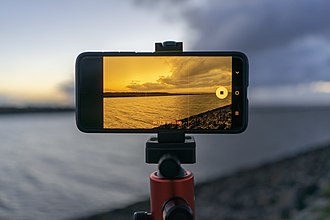
Compact accessories that matter on a short walk: a small pocket tripod or tabletop tripod, a handheld stabiliser or gimbal, a clip-on wide or tele lens for varied framing, and a remote shutter or wired earbud button to trigger without touching the phone. A small LED panel or a phone-compatible torch with adjustable brightness helps to paint light without resorting to harsh flash.
Reading Dublin’s available light
Not all light is equal. Warm pub windows cast a soft amber glow that flatters faces and creates inviting silhouettes. Streetlamps will provide directional top-down light, useful for textures on cobbles and stonework. Church façades and graveyards often have stronger contrasts—use these contrasts to shape mood.
Scout locations during the tour and learn which angles reduce glare and which reveal depth. For example, the alleys around Smithfield have areas where pub and street lighting meet—our Smithfield Market Alleys After‑Dark guide discusses specific corners where available light is most forgiving for smartphones.
Composition and storytelling
Ghost photography with a smartphone isn’t about fabrication; it’s about atmosphere. Use foreground elements—iron gates, leaning headstones, or an out-of-focus lamp—to frame a subject and add depth. Silhouettes against backlit windows or long exposures that record the blur of a passing figure can suggest movement without inventing it.
Motion blur is a deliberate choice: slow shutters will soften moving people into streaks, which can enhance a spectral presence. Alternatively, freeze a moment with a higher ISO and faster shutter to capture a sharp expression or an architectural detail. Think in terms of storytelling: what aspect of the place are you emphasising—loss, history, mystery, everyday life?
History vs folklore: captioning your images responsibly
When you post ghost photos, distinguish between documented history and folklore. Documented history refers to verifiable events recorded in sources like archives or reputable histories. Folklore and legend come from oral tradition and local storytelling. Clearly label captions: use phrases like “local legend says…” or “folklore holds that…” when the story is not documented.
If you’re unsure about a claim, point to it as part of the tour’s storytelling rather than factual history. Our content on the Clontarf Castle spectral legends and the Hellfire Club ruin guide is a good example of how to separate visitor tips and local legend from archival facts.
Practical considerations for tour-goers
Safety comes first. Keep your phone secure and use a wrist strap if you have one. Stay with the group, avoid trespassing and follow your guide’s instructions—some areas are fragile or restricted for conservation reasons. If you plan to lean a phone against old stonework, check with the guide first. Respect signs and private property.
Permissions and etiquette matter. Photographing people—especially in pubs or private events—requires consent. Avoid intrusive lighting or pointing bright torches directly into faces. If you want to take time for a deliberate shot, step aside so the group can continue. For permissions and tour-focused funding resources, see our note on How to Apply for Dublin Heritage Grants to Fund Dark‑History Walking Tours which includes guidance on responsible storytelling and site stewardship.
Fast on-phone edits before sharing
Minimal editing can enhance a low-light image without misrepresenting it. Adjust exposure, reduce highlights and use noise reduction sparingly. A subtle desaturation or a cooler colour balance can heighten mood, but avoid adding elements or heavy composites that transform folklore into apparent documentary evidence.
Crop for composition, straighten horizons, and add a caption that notes whether the image is a creative interpretation, a moment captured during a tour, or a depiction of a documented site. This transparency keeps your work honest and respects Dublin’s layered past.
Join a Haunted Hidden Dublin night walk and put these tips into practice — book a tour today.
Travelling with a small group or organising a private photo-focused walk? We offer tailored group options—see our private bookings for more details: Private group tours and photography walks.
With these practical tips, a respectful approach to story and place, and a little patience, your smartphone can capture the mood of Dublin’s night-time streets without misleading your viewers. For specific route-based tips, you might enjoy reading our pieces on the lamp-post trail and market alleys mentioned above, or exploring stories that balance legend with historical context.
FAQ
What smartphone settings give the best results for low-light ghost photography during a walking tour?
Use night mode when available. If you prefer manual control, set a low ISO to reduce noise and lengthen shutter speed, stabilising the phone as needed. Tap to focus and lock focus when possible. Slightly underexpose to preserve highlights from bright streetlights and adjust white balance to retain atmosphere.
Can I use flash in historic locations or on Haunted Hidden Dublin tours?
Flash is usually discouraged: it flattens texture, risks disturbing other visitors and can harm delicate interiors. On tours, follow your guide’s advice. Use small, adjustable LED panels or a soft, directed light if you need fill—always avoid shining bright lights into faces or sensitive features.
Are there permissions or safety rules I should know before photographing at night in Dublin?
Respect private property and conservation signage. Don’t enter restricted areas. Ask permission before photographing individuals in private spaces like pubs. Stay with the group, keep to well-lighted public routes and let your guide know if you intend to stop for extended shooting so the group can move safely.
Which compact accessories offer the most improvement for night shots on a short walking tour?
A pocket tripod, a small handheld gimbal or stabiliser, a remote shutter and a clip-on wide or tele lens will offer the biggest practical gains without slowing you down. A small, dimmable LED light can help paint subjects gently. Prioritise light weight and quick setup so you can keep pace with the tour.