
Trinity College late-night scholar spectres, Dublin: History & Night Tour Guide
Few places in Dublin spark as much curious whispering as Trinity College after dark. The combination of ancient stone, candlelit legend and generations of students has produced talk of late-night scholar spectres—pale figures in gowns, phantom footsteps in the Long Room and apparitions crossing Fellows’ Square. For visitors who love a blend of atmosphere and accuracy, this guide separates what is documented from what is folklore, collects notable eyewitness anecdotes, and explains how to explore these stories safely on an evening walk around the campus with a professional guide.
Book a Haunted Hidden Dublin night tour to explore Trinity’s spectres — secure your spot now
What the records say: documented events, college routines and verifiable history
Trinity College is a real, living institution with a long administrative record. The college was founded in the late 16th century and its archives, ledgers and circulars document everyday life: curfews for undergraduates in earlier centuries, the operation of residential college rooms, and procedures around the library and chapel. Those documented routines—bells, college marshals, and staff who patrolled the grounds—are the backbone of the quieter noises people sometimes interpret as supernatural.
The Old Library and the Long Room are public and historic attractions with clearly recorded opening hours and access rules. The Book of Kells exhibition and long-term conservation work generate restricted zones and after-hours security measures. When visitors report strange sights or sounds in these parts of the campus, a prudent first step is to check college policies and recorded activity for that night: maintenance, scheduled events, or archived accounts of real disturbances.
In short: the college’s physical features and routines are verifiable. The sound of a bell, the shadow of a porter’s cloak, or the echo of boot steps on cobbles can often be matched to ordinary, recorded human activity rather than unexplained phenomena.
Campus folklore vs fact: how the scholar-spectre stories developed and where they diverge from archives
Folklore grows where history leaves room for the imagination. Trinity’s scholar-spectre stories likely formed from a handful of overlapping sources: strict old college rules, tales of late-night scholars studying by candlelight, and the natural eeriness of an empty quadrangle after sunset.
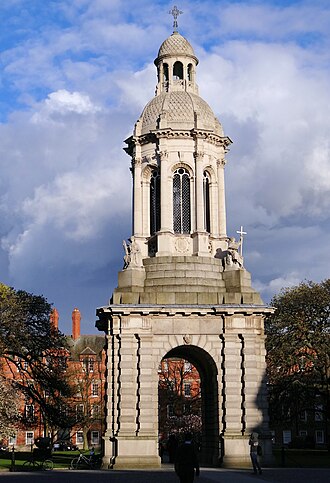
Folklore characteristics: repetition, amplification and detail added over time. A single reported sighting—an indistinct figure leaving a library door—can become, in retelling, a regular apparition seen in the same spot every decade. Folklore thrives on atmosphere: the stone architecture, the hush of study and the silhouette of the Campanile or library towers provide excellent stagecraft.
What the archives do not support are systematic hauntings tied to named historical tragedies specific to individual rooms without documentation. Where legend supplies personality and moral weight—an unsympathetic tutor returned to haunt negligent students, for example—archives often show no corroborating event. That contrast is useful: some narratives are cultural storytelling rather than recorded history.
Notable sighting accounts and eyewitness anecdotes (anecdotal)
There are many anecdotal accounts, passed among students, guides and late-night passersby. Common motifs recur: a figure in academic dress gliding along a promenade, the feeling of being watched in a silent library corridor, or the sound of footsteps that stop when approached.
These reports are valuable as social history: they tell us what people felt and experienced. They also show how perception works in low light and quiet spaces—people often add detail to an ambiguous sensation. For example, witnesses may recall a “robe” when the reality was a dark coat with a satchel; a “pale face” can be the reflection of a streetlight on a window.
Eyewitness accounts should be presented as anecdote, not proof. They are part of campus culture and worth hearing on a guided walk, but they cannot substitute for primary records when reconstructing events.
Where to look tonight: specific Trinity College locations tied to the legends and safe visitor routes
If you’re curious where the stories are strongest, these are the spots guides commonly mention on an evening walk. Note that access varies and some areas close after hours—always follow college signage and local guides.
Fellows’ Square
Often quiet at night, Fellows’ Square’s open space and surrounding architecture make it a frequent setting in stories. It’s a good place to listen: echoes, distant traffic and the rustle of trees can all contribute to a moody experience.
The Long Room and Old Library exterior
The Long Room’s interior is usually closed after the museum hours, but its exterior and the approach routes are dramatic at night. Visitors sometimes report a sense of presence on the steps or under the portico—atmosphere heightened by the building’s long, echoing corridors.
Campanile and surrounding paths
The Campanile is a focal point of campus narratives. The stonework and the lamp-lighted routes around it create pockets of shadow where the mind fills in shapes. A guided route will point out vantage points safe for small groups and respectful of student residences.
Library Square and side lanes
Smaller access lanes and service doors provide the type of geometry where sounds carry oddly. Guides point out spots where a single footstep can seem multiplied.
How to experience these stories responsibly
When exploring campus legends you are a guest in a working university. Respect is the first responsibility.
- Follow the guide: licensed night tours know the boundaries. They keep to public routes and avoid disturbing students or staff.
- Keep noise low: Trinity is home to residents and researchers who value quiet study environments, particularly at night.
- Photography and privacy: take photos of public spaces but avoid pointing lights or cameras into windows of student rooms or staff offices. Flash photography can be intrusive and startle people.
- Consent and storytelling ethics: stories often involve real people. For guidance on ethical practice when relating local narratives, see our piece on Telling Dublin Ghost Stories Ethically.
Responsible visiting preserves both the lived life of the college and the integrity of its folklore. Our night walks emphasise that balance and encourage curiosity without trespass.
Practical info: best times, accessibility, ticketing, and how to book a Haunted Hidden Dublin night tour
Best times: twilight to late evening is when the city and campus feel most atmospheric. Start times for tours are typically after dusk; this gives you the contrast between day and night that makes the stories come alive.
Accessibility: Trinity’s main public approaches are level, but some routes include cobbles and steps. Tell us about mobility needs when booking and we will advise on accessible meeting points and alternative routes.
Ticketing and booking: to join a structured evening exploration of Trinity’s spectres, we recommend reserving early—walks can fill quickly, particularly in peak visitor seasons. Secure your place here: Book a Haunted Hidden Dublin night tour to explore Trinity’s spectres — secure your spot now.
Private Groups: if you are planning a focused visit for a club, research group or celebration, we offer tailored private tours. Learn about private group bookings and options here: Private group tours that focus on Trinity’s ghost stories.
Further reading: if you enjoy comparative legend and acoustics, you might like our features on the Casino at Marino whispering rooms or broader ethical storytelling practices linked above. For examples of other Dublin legends framed as visitor guides, see our pieces on the Midnight Custodian of St Patrick’s Cathedral and the Malahide Castle Lady in White.
We also publish resources for community-led projects and supporters; if you’re exploring ways to fund local dark-history initiatives, take a look at our ideas for Crowdfunding Rewards for Dublin Dark‑History Tours.
To summarise: Trinity’s late-night scholar spectres belong to a lively intersection of verifiable history and embellishing folklore. The best way to experience them is with a trained guide who can point out the documented facts, share the stories without turning them into false history, and keep your visit safe and respectful.
Book a Haunted Hidden Dublin night tour to explore Trinity’s spectres — secure your spot now
FAQ
Are the Trinity College scholar spectres real or just stories?
The simplest answer is both: there are verifiable facts about the college’s buildings and routines and there are stories people tell. Many spectre reports are anecdotal—personal experiences influenced by light, sound and expectation—while archives document the factual background that often explains those sensations.
Can visitors enter Trinity College late at night to look for spectres?
Access to parts of Trinity College is controlled. Public attractions have set opening hours and residential areas are private. You should not attempt to enter restricted buildings at night. Join an authorised night tour to experience the campus safely and legally.
Is it appropriate to photograph areas of Trinity College during a night tour?
Photography of public exteriors is generally acceptable, but avoid photographing into windows, using bright flashes near residences, or filming students without consent. If in doubt, ask your guide. Respect for privacy and local regulations keeps the experience positive for everyone.
Do you offer private group tours that focus on Trinity’s ghost stories?
Yes. We offer private tours tailored to groups who want a deeper focus on Trinity’s legends or who need specific timing or accessibility arrangements. For details and booking, visit our private groups page: Private group tours.