
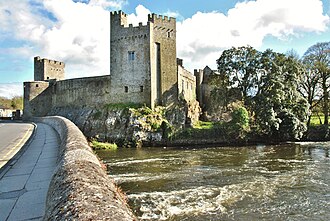
Malahide Castle Lady in White: Legend, History & Visitor Guide
The Lady in White at Malahide Castle is one of Dublin’s most persistent ghost stories: an image of a pale figure drifting through ancient rooms and gardens, repeated in guidebooks, local conversation, and on night walks. Whether you come for history, atmosphere, or the chance of an uncanny moment, separating what can be verified from what has grown through retelling makes the visit richer and more respectful.
Book a Haunted Dublin walking tour or private group visit to Malahide Castle
Malahide Castle in brief — documented history you can verify on-site
Malahide Castle stands in the coastal village of Malahide, north of Dublin city. The building you see today is the result of many phases of repair and extension. On a visit you can confirm the physical facts: a fortified castle structure with later domestic additions, formal gardens, and a visitor centre that houses information and displays about the site’s past.
Historical records on-site and in the castle’s information panels make clear that the property was a long-term family seat for generations and that elements of the structure predate later renovations. The gardens, walled areas, and chapel remain prominent features visitors can explore.
When you walk through the public rooms, the tour notes and labels focus on verifiable details: architecture, decorative work, and objects in the collections. Those items are the kinds of things that archivists, conservators, and heritage staff document—useful anchors when you begin to untangle folklore from record.
The Lady in White legend — origin, how the story developed, and key folklore themes
The “Lady in White” label is a widespread folkloric motif and at Malahide it describes a woman in pale clothing who is said to appear in the castle and grounds. The story exists in many versions: sometimes an unavenged death or a thwarted love is the cause, sometimes a grieving figure seeks a lost child, and sometimes the woman is associated with a particular room or tower.
Legends like this develop in stages. An early local anecdote becomes a feature of guided-night narratives, then journalists and guidebook writers condense the story into an evocative emblem. Over years, details shift—locations change, motivations multiply—and the Lady in White becomes both a local cautionary tale and a draw for visitors seeking an emotive encounter.
Key themes of the Malahide tale echo universal ghost motifs: white clothing as a signifier of otherworldliness, liminal times such as dusk or fog as the setting, and emotional pain—loss, betrayal, or lonely vigilance—at the story’s heart. Those narrative patterns help explain why the legend persists: it speaks to common human feelings and to the atmospheric qualities of old houses and gardens.
Reported sightings and modern retellings — anecdotal accounts
Accounts of sightings are anecdotal and varied. Visitors and night‑walk guides sometimes describe a pale shape seen from a distance, a sudden sense of cold in a corridor, or the fleeting impression of someone looking out from an upstairs window. Photographs presented as evidence occasionally show vague shapes or light anomalies; these remain inconclusive and are best understood as part of visitor lore rather than proof.
Guide-led retellings have polished certain elements for theatrical effect: the slow appearance on a misty evening, a hush falling over the gardens, or an unexplained movement seen from the tearoom. These are effective storytelling techniques and contribute to the site’s haunted reputation, but they are not historical documentation.
As with other Dublin ghost narratives, modern interest also feeds transmission. If you are interested in how spectral stories travel through the city, we cover similar visitor experiences at Marsh’s Library in our piece on spectral reader stories, and at Grafton Street and the GPO in other night-walk features.
For practical night-walk tips—lighting and audio equipment that make small-group tours comfortable and safe—see our guide to budget lighting & audio gear for Dublin night walks.
Separating fact from folklore — gaps in the historical record and why legends persist
One reason the Lady in White legend endures is simple: there are gaps in the documentary record. Where details about individuals or events are missing, stories expand to fill the empty spaces. Oral tradition supplies names, motives, and drama that archives do not always record.
Another factor is place itself. Old houses with long family histories have many layers of personal tragedy and domestic drama—ideal soil for ghost stories. Add the evocative architecture, dim corridors, and extensive gardens, and you have a setting that encourages imaginative interpretation.
Finally, social and cultural factors sustain legends. Tourism, media coverage, and guidebooks amplify compelling stories. Some of this is deliberate: haunted stories attract interest and visitors. If you are curious about the ethics of presenting and monetizing ghost content, our essay on Monetizing Dublin Ghost Content looks at how guides balance storytelling and responsibility.
Practical visitor information: opening hours, tickets, access, best times for atmosphere and photography
Check the castle’s official visitor information before you go for current opening times, ticketing options, and any special events. Hours and admission vary seasonally and for special closures.
For atmosphere, early morning fog and the late afternoon golden hour are both rewarding. Dusk adds a different mood—sharper shadows and fewer visitors—but it will also challenge photography. For night photography or low-light work on a small-group walk, lightweight tripods, a phone with a night mode, and quiet LED lighting are helpful; our lighting guide explains affordable options for night walks.
Access around the grounds is generally good, though heritage buildings sometimes have uneven surfaces and steps that can limit access in places. If mobility or specific needs are a concern, contact the venue ahead of time so staff can advise on routes and facilities.
How to experience the Lady in White with Haunted Hidden Dublin
Hidden Dublin’s Haunted Hidden Dublin walks approach the story with a clear separation between documented history and folkloric embellishment. Our standard Malahide-focused route visits the castle exterior, garden viewpoints, and interpretive spots where the legend is commonly told. Guides clearly indicate when a detail is archival and when it is a later addition to the tale. Expect atmospheric storytelling, careful pacing, and opportunities to ask questions.
Groups can request a private walk that concentrates on Malahide or combines it with other nearby haunted sites. For private bookings and bespoke routes designed for groups, schools, or corporate events, see our private groups page.
The tours use low-impact lighting and portable audio to make evening storytelling comfortable without disturbing other visitors or the site; if you run a night walk, our budget lighting & audio gear guide offers practical recommendations. Our aim is to create an immersive but respectful experience—stories told clearly as folklore or as historical record, never conflated.
Responsible visiting: etiquette, site conservation, and how to respect Malahide’s history while enjoying the legend
When visiting Malahide Castle for its haunted stories, remember you are on protected heritage ground. Do not touch objects, enter restricted areas, or climb on historic fabric for a better photo. Follow any signage and instructions from site staff.
Respectful storytelling means acknowledging the difference between legend and documented fact. If you record audio or video, be mindful of other visitors and of the preservation of the site. If you are organizing a private or commercial event, secure the appropriate permissions in advance.
Finally, consider the human dimension: stories about suffering or tragedy involve people who may have once lived and loved there. Treat those stories with empathy as you enjoy the atmosphere and craft of a well-told haunting.
Book a Haunted Dublin walking tour or private group visit to Malahide Castle — our scheduled night walks treat the Lady in White story with historical care and atmospheric storytelling. For group bookings and bespoke walks, learn more or enquire at private group tours and rates.
FAQ
Is the Lady in White at Malahide Castle based on a real historical person?
The Lady in White is primarily a folkloric figure. While the castle has a long, well-documented family and social history, the specific identity and story behind the Lady in White are not conclusively recorded in primary sources. Many of the details you hear on tours are oral tradition or later embellishment rather than solid archival fact.
Can visitors expect to see paranormal activity at Malahide Castle?
Accounts of paranormal activity are anecdotal. Some visitors report sensations or fleeting impressions; others experience nothing unusual. If you come hoping for an encounter, treat such reports as part of the site’s folklore. A well‑told story and a moody setting are more reliably on the itinerary than any guaranteed supernatural event.
Does Hidden Dublin offer guided tours that include the Lady in White story?
Yes. Haunted Hidden Dublin includes the Lady in White story on relevant routes and provides both scheduled public walks and private-group options. Our guides identify clearly when a tale is supported by records and when it is local lore. See our tours page to reserve a place.
What are the best times and tips for visiting Malahide Castle to explore its haunted history?
Early morning and late afternoon offer atmospheric light and quieter grounds. Dusk creates moodier conditions but requires good lighting and care when moving around. Join a small-group night walk for informed storytelling and safe access; if you plan to photograph or record, bring appropriate low-light gear and check any rules about tripods or commercial filming in advance.