
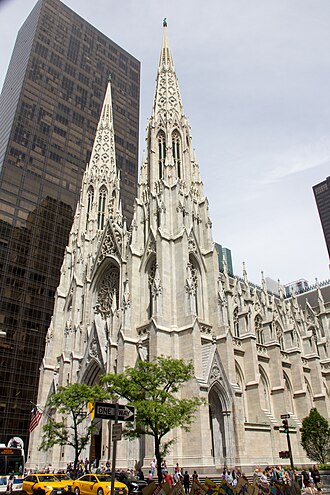
The Midnight Custodian of St Patrick’s Cathedral: History, Legend & Visitor Guide
The story of St Patrick’s Cathedral’s “midnight custodian” is one of those Dublin tales that slips between verifiable record and spine-tingling folklore. Visitors arriving beneath its Gothic arches often hear fragments: a lone figure making rounds after dark, a key turning in an empty corridor, or a soft, reproving cough that belongs to no living caretaker. This article separates what the cathedral’s archives and reasonable sources record from what has grown in the telling, and offers practical guidance for anyone who wants to hear the story responsibly—whether on foot under lamplight or from the safety of a guided Haunted Hidden Dublin tour.
St Patrick’s Cathedral in historical records: custodians, night watch and documented facts
St Patrick’s Cathedral is one of Dublin’s oldest and most documented ecclesiastical sites. Church records, diocesan registers and conservation files make clear that large medieval and post-medieval churches employed a range of staff responsible for upkeep and security: sextons, vergers, custodians and night watchmen. These roles covered lighting candles, opening and closing doors, cleaning, and ensuring security.
What is documented is the presence of paid custodial staff and occasional night watch duties. What is not documented in authoritative sources is a named “midnight custodian” as a recurring ghost figure tied to a specific incident. Archivists and the cathedral’s published materials tend to catalog staffing and restoration work rather than supernatural episodes. In other words: documented personnel and duties exist; the ghostly figure does not appear in official inventories as a historical person with a recorded biography.
Tracing the legend: when the ‘midnight custodian’ story appears in oral tradition and guidebooks
Like many city legends, the midnight custodian narrative lives in oral tradition, guidebook anecdotes and the theatrical retellings of night-time walks. Local storytellers and successive generations of guides have embellished practical facts—such as the presence of night-watch duties—into a more sensational tale that suits evening tours and ghost-themed publications.
Early mentions of uncanny occurrences at the cathedral tend to be harmless and fragmentary: unexplained drafts, the feeling of being watched, or the sensation of a presence when the building is otherwise empty. Over time these fragments coalesced into a recurrent motif: a custodian who keeps vigil after midnight. That motif borrows the familiar image of an invisible guardian and repurposes it as a ghost story.
Documented history vs folklore and legend
It helps to keep two categories in mind. Documented history rests on records, payrolls, maintenance logs and archival evidence. Folklore encompasses oral tales, repeated guidebook anecdotes and theatrical retellings that change with each narrator. Legend is the layer applied later, when a story is told as if it explains deeper meaning or moral order—such as a custodian who refuses to leave until the cathedral is safe.
Reported sightings and sources: eyewitness accounts, press mentions, and reliability
Reported sightings of the midnight custodian are primarily eyewitness accounts shared in personal narratives, tour anecdotes and occasional press features. These accounts are valuable as cultural material—telling us how people experience and narrate the cathedral—but they are rarely corroborated by documentary evidence.
Eyewitness testimony can be vivid and persuasive, but memory and atmosphere contribute strongly to perception. A dimly lit stone corridor, echoes, and the expectation of a ghost on a night tour create a context where ordinary sounds can be experienced as supernatural. That does not make the accounts uninteresting; it makes them subjective. For researchers and visitors seeking verifiable history, the lack of archival corroboration means the story should be treated as local legend rather than established fact.
Access & rules: what the cathedral permits, opening hours, and conservation considerations
St Patrick’s Cathedral is an active place of worship and an important heritage site. As such, public access, photography, and events are governed by policies designed to protect fabric, liturgical practice and visitor experience. After-hours access is generally restricted and often requires special permission or a formal booking.
For visitors, that means if you want interior access at night—whether for research, a private event or to attempt a “ghost hunt”—you will usually need prior agreement from cathedral staff. Unsupervised visits after closing are not permitted and can risk damage to delicate stone, monuments and textiles. Respecting these rules preserves the building for future visitors and aligns with responsible tourism principles; see our piece on Telling Dublin Ghost Stories Ethically for guidance on consent and respectful storytelling.
How to experience the story on a Haunted Hidden Dublin tour: itinerary options and guide limitations
Haunted Hidden Dublin offers night tours that weave well-researched history with compelling folklore. Our guides set clear expectations: some stories are rooted in archival fact, others in oral tradition. On a typical night tour that includes St Patrick’s Cathedral as a stop, you can expect exterior storytelling at the building’s gates and contextual history about custodial roles and historical watch practices.
What guides can and can’t do is important. Guides can narrate documented history, read from contemporaneous accounts where appropriate, and share local eyewitness stories. They cannot misrepresent folklore as verified fact. Interior access after hours is subject to cathedral permission; when interior visits are included, they are arranged in advance and conducted in accordance with cathedral rules to avoid disturbing worship or harming the fabric of the building.
For groups seeking a private after-hours experience, we can discuss tailored options with cathedral authorities. Explore our private groups page for more information: Private group bookings and options.
Practical night-visit tips: safety, photography, etiquette and respecting worship and conservation
Night visits are atmospheric but require sensible precautions. Wear sturdy, non-slip footwear—cobbles and stone steps can be unforgiving. Bring a small torch for personal safety, but avoid bright, intrusive lights inside sensitive spaces where flash photography or excessive illumination can damage old stonework and textiles.
Photography: many cathedrals restrict flash and tripod use. If interior photography is permitted during a special tour, follow any guidance from cathedral staff and your guide. For advice on lighting and audio that is unobtrusive on night walks, see our practical guide to Budget lighting & audio gear for Dublin night walks.
Etiquette: St Patrick’s is a place of worship. If services are taking place, be quietly observant. Avoid loud conversations, respect roped-off areas and do not touch monuments or textiles. Conservation is the guiding principle—fingers, food and uncontrolled movements are a real threat to fragile historic materials.
Safety: always stay with the group, follow the guide’s instructions, and avoid venturing into restricted areas. If you are sensitive to atmospheric storytelling or prone to anxiety in dark or enclosed spaces, tell your guide before the tour starts so they can advise or adapt the narrative for you.
Separating credibility from atmosphere: how to assess what you hear
If you hear a dramatic version of the midnight custodian while on a tour, it helps to ask three quick questions: does the teller present the detail as documented fact or as local story? Is there an archival source for the claim, or is it an eyewitness account? Does the story serve a moral or theatrical purpose rather than a historical one?
Responsible guides will distinguish clearly between documentation and embellishment. For readers interested in how to support ethical storytelling and local research into the city’s darker histories, our Crowdfunding Rewards piece offers practical ways communities and backers can sustain projects without sensationalism: Crowdfunding Rewards for Dublin Dark‑History Tours.
Other haunted sites and further reading
If the combination of acoustics and atmosphere at St Patrick’s intrigues you, other Dublin locations offer complementary experiences. For whispering acoustics in a neoclassical gem, see our guide to the Casino at Marino whispering rooms Dublin. For a castle legend woven into local history, read about the Malahide Castle Lady in White.
Hearing the midnight custodian story on a night tour is as much about atmosphere as it is about learning. We aim to present both responsibly—inviting curiosity while making clear where the records stop and the storytelling begins.
If you represent a private group, or are organising a special after-hours event, contact us to discuss tailored experiences and permissions: Private group bookings and options.
FAQ
Is there any documented historical evidence for the ‘midnight custodian’ at St Patrick’s Cathedral?
No definitive archival evidence names a recurring “midnight custodian” ghost. Records do show the cathedral employed custodial and night-watch staff historically, but the leap from documented duties to a named supernatural figure belongs to oral tradition and later storytelling.
Can visitors enter St Patrick’s Cathedral at night to look for ghosts?
General after-hours entry is usually restricted. Special access can sometimes be arranged with cathedral authorities for authorised events, research or private bookings, but it requires prior permission. Unauthorised night visits are not permitted and risk harm to the fabric of the building.
Do Haunted Hidden Dublin tours include interior access to the cathedral after hours?
Interior access after hours is subject to cathedral permission. Our standard night tours typically provide external storytelling and contextual history; where interior visits are possible, they are arranged in advance with cathedral staff and run under strict conservation and etiquette rules.
How should I prepare for a night tour that discusses St Patrick’s Cathedral’s legends?
Wear sensible footwear, bring a small non-intrusive torch, and dress for the weather. Be prepared for atmospheric storytelling—ask questions if you want to clarify what is documented versus what is legend. Review guidance on respectful storytelling in our ethics article and consider reading practical equipment tips in our lighting and audio guide for night walks.