
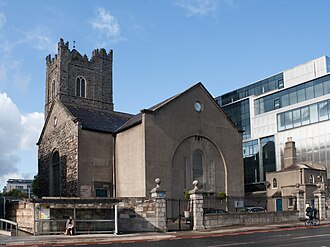
St Michan’s Church crypt has long attracted a peculiar mix of curiosity and unease: real mummified bodies visible behind iron gates, centuries of burial practice beneath a busy Dublin street, and a steady stream of ghost stories that have grown with each retelling. Whether you come for archaeology, folklore or simply a shiver-inducing tour photo, the site rewards close observation. This article separates what is documented about the crypt and its mummies from local legend, explains what visitors can actually expect, and offers practical advice for planning a visit or joining a guided Haunted Hidden Dublin tour.
The recorded history of St Michan’s Church and its crypt
St Michan’s stands on Church Street in Dublin’s north inner city. The parish’s origins are medieval in character, and the church has been a place of worship, burial and community memory for many centuries. Over time the building has been repaired and altered; the church you see today reflects a sequence of changes made by successive generations rather than a single intact medieval fabric.
Historically the church served a local urban congregation and its vaults became the depository for parishioners from different social strata: merchants, clergy, craftsmen and their families. Parish registers, stone inscriptions and burial vaults demonstrate that the crypt functioned as a long-term burial place for people of standing in the neighbourhood and for those who could afford interment below ground.
The mummies: preservation, causes and scientific observations (what’s documented)
What makes St Michan’s crypt unusual is the state of preservation of several human remains. These are not the result of deliberate embalming but of environmental conditions within the vaults. The documented scientific explanation focuses on microclimate: a combination of cool, dry air, consistent low humidity and alkaline conditions created by the surrounding stone and mortar. Those conditions slow typical decomposition processes and can desiccate soft tissues, producing mummified remains.
Medical and antiquarian observers in previous centuries described the mummies, noting skin, hair and facial features that remained distinguishable. At various times conservators and church officials have taken steps to stabilise the crypt environment and to protect the remains behind gates so they are both preserved and respected.
Documented historical figures and burials associated with the crypt
Parish records, tomb inscriptions and 18th–19th century accounts make clear that the vaults contain the remains of a cross-section of local life: church officials, merchants, and families tied to the parish. Some coffins and slabs carry names or initials, and historical registers link particular burials to families known in Dublin civic records.
Not every body in the vault is identified by name today: some are anonymous interments that have become the focus of curiosity. Where names or occupations are recorded, they help historians trace social networks and local history rather than fueling supernatural claims. In short: the crypt is a documentary resource for local genealogy and urban history as much as it is a repository of enigmatic remains.
Ghost stories and folklore: popular tales, eyewitness reports and how they differ from historical record
Once the physical facts are established—the presence of visible, mummified bodies—imaginative stories naturally followed. Folklore associated with St Michan’s ranges from whispered claims of footsteps in the vault to accounts of guides and visitors sensing cold spots or sudden unease. Victorian guidebook writers and 20th-century storytellers helped seed many of the more lurid tales.
Popular motifs include: the idea that the mummies “open their eyes,” phantom footsteps on the stone stair, and sightings of shadowy figures in the nave or crypt. These reports are part of a performative tradition in haunted tourism: stories are repeated, embroidered and often framed by the senses and expectations of the hearer. Eyewitness reports exist, but they are typically anecdotal—personal testimonies rather than scientifically verifiable phenomena.
It’s important to separate three things here. First, the physical preservation of remains is documented and observable. Second, historical records can identify certain burials and describe the church’s past. Third, supernatural claims rely mainly on oral testimony, sensational accounts and the natural human tendency to read meaning into ambiguous sensory experiences. If you want history, look to parish records and conservation reports; if you want thrills, the folklore is readily available on a guided walk.
Visiting St Michan’s today: hours, ticketing, accessibility, photography and etiquette
St Michan’s remains an active tourist destination. Practical details such as opening hours and ticket prices are managed by the church authorities and can vary with season and special events, so check ahead before travelling. The crypt visit is relatively brief—often a guided stop or a short walk down stone steps into a cool, dimly lit space—and many visitors combine it with wider walking itineraries around the north city.
Accessibility: the crypt is reached by steep, narrow stone steps and is not suitable for most mobility aids. Visitors with limited mobility should plan accordingly and contact tour operators or church staff for the most current accessibility information.
Photography: taking non-flash photographs is generally tolerated for personal use, but flash can accelerate deterioration and disturb other visitors, so it is discouraged or restricted. Always follow signage and the guidance of staff or your tour guide.
Etiquette: the crypt holds human remains. Respectful behaviour is expected: keep voices low, refrain from touching the gates or the coffins, and follow posted rules. St Michan’s is both a site of heritage and, for some, a place of remembrance.
Practical tips and recommended guided options (what to expect on a Haunted Hidden Dublin tour)
A guided Haunted Hidden Dublin walking tour places St Michan’s in a wider narrative of Dublin’s urban past—linking burial practice, social history and folklore. On our walks you’ll hear the documented facts about the crypt’s environment and conservation, and you’ll also encounter the best-known legends explained in context. Tours generally move at a moderate pace and include multiple stops where guides point out architectural and historical features you might miss on your own.
Recommended approach: combine a crypt visit with other nearby themed walks to get a fuller sense of Dublin’s haunted topography. For example, our routes often connect to planned itineraries that explore inner-city ghost sites and cultural hauntings: Victorian boarding-house hauntings, intimate theatre spectres, and the literary lodgings where writers reported strange encounters. Learn more about these themed routes at our related pages: Victorian Boarding-House Hauntings in Inner-City Dublin — A Walking Guide, Intimate Theatre Spectres: Hauntings at Dublin’s Small Playhouses and Haunted writer lodgings in Dublin: A walking guide to literary hauntings. For an evening with nature and folklore, we also recommend pairing urban stories with dusk encounters on the edge of the city: North Bull Island dusk encounters: folklore, wildlife & evening walking guide.
On a Haunted Hidden Dublin tour you should expect a mixture of documented context and evocative storytelling. Guides will be explicit about what is recorded history and what is local legend; they aim to inform as well as entertain. Tours are timed to allow safe entry to sites like St Michan’s where space is limited, so booking in advance is recommended for single travellers and essential for groups.
If you’re organising a private group visit, we can tailor routes and timings to suit accessibility needs or a more focused historical programme—see our private groups page for options and enquiries: Private group tours and bookings.
Separating fact from fancy: a short checklist for critical visitors
- Look for documentary evidence: inscriptions, parish registers and conservation notices in the church provide factual anchors.
- Treat personal testimony as subjective: many “sightings” are difficult to corroborate and can be influenced by expectation and atmosphere.
- Respect preservation constraints: the physical condition of the mummies is the result of environmental stability, not supernatural intervention.
- Ask your guide for sources: a good guide will point out where claims come from—antiquarian accounts, parish records, or later folklore—and label them accordingly.
FAQ
Are the mummies in St Michan’s crypt real and how have they been preserved?
Yes. The remains visible in the vaults are real human bodies that have undergone natural mummification. Preservation is attributed to the crypt’s environmental conditions—cool, dry air and alkaline stonework—which desiccate soft tissue and slow decay. This process is natural rather than the result of deliberate embalming.
Can visitors enter the crypt and are guided tours recommended?
Visitors can see the crypt, typically as part of a short visit arranged through the church or as a stop on a guided walking tour. Space is limited and access involves stone steps, so guided tours are recommended for first-time visitors. Guides manage group size and provide historical context, which enhances both understanding and safety.
Is there any documented evidence that St Michan’s is haunted?
There is no scientific proof of haunting. The church and crypt have inspired many anecdotal reports and traditional stories, but these are not the same as verifiable evidence. Distinguish between well-documented history—burial registers, inscriptions and conservation reports—and folklore built from personal testimonies and storytelling traditions.
Is the crypt suitable for children or people with mobility concerns?
The crypt is not ideal for very young children, and parents should judge whether a dim, enclosed space is appropriate for their child. The descent involves narrow steps and uneven stone surfaces, so the site is not wheelchair accessible and presents challenges for those with limited mobility. Contact tour operators or the church for specific accommodations or alternatives.