
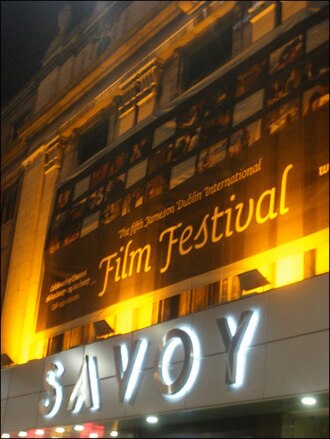
Old Picture-House Hauntings: Dublin Cinema Ghosts Walk | Haunted Hidden Dublin
There is something about a shuttered auditorium, its rows fossilised in dust and its projection booth frozen in time, that invites stories of lingering presences. Dublin’s old picture-houses—once hubs of gossip, romance and late-night escape—have acquired layers of memory. On the Old Picture-House Hauntings walk we trace those layers, separating recorded history from local folklore while visiting former cinema sites where staff and passersby have reported strange sounds, unexplained shadows and the impression of an unseen audience.
Why Dublin’s old picture-houses generate ghost stories
Book the Old Picture-House Hauntings walk to experience the route with a guide who knows both the documentary record and the local oral tradition.
Picture-houses were communal, emotional places. They collected big nights and small domestic dramas: first dates, arguments, farewell scenes, children’s matinees and funerals glimpsed on the pavement outside. When these buildings closed, those concentrated human stories didn’t vanish with the paint and posters. Damp, settling timbers, and the peculiar acoustics of large auditoria also produce noises that easily read as otherworldly. Add decades of storytelling, urban redevelopment and a taste for dark tourism, and it’s clear why cinemas attract ghost stories: they sit at the crossing of architectural possibility and human memory.
Historical background: rise, heyday and decline of Dublin’s picture-houses
Documented history shows that picture-houses arrived in Dublin as part of a broader early 20th-century wave of cinema construction across Europe. Many began as single-screen venues owned by local chains or independent proprietors. They reached their heyday mid-century when cinema-going was a primary leisure activity, later facing competition from television and multiplex complexes.
By the late 20th century, smaller picture-houses either adapted—becoming arthouse screens, bingo halls or live-venue spaces—or closed altogether. Municipal planning records, newspaper notices and property deeds document these shifts in ownership and use; such records are useful to distinguish verifiable change from later embellishment. For those interested in the practicalities of running historical, darker-themed tours, see Funding Dark-History Tours in Dublin: Grants, Sponsorships and Practical Steps for how community groups turn memory into curated walking experiences.
Fact vs folklore: reading eyewitness reports, oral tradition and official records
On this walk we separate three layers:
- Documented history: building permits, newspaper archives and municipal records that confirm dates of construction, ownership and official incidents (fires, structural collapses, closures).
- Eyewitness reports: first-person accounts recorded in local papers, online forums or collected by researchers. These are invaluable but require corroboration; details can be influenced by suggestion or memory decay.
- Folklore and legend: stories that grow in the retelling, often with symbolic meanings rather than factual accuracy. These give cultural texture but should not be treated as documentary evidence.
We point out where a story is supported by records, where it rests on multiple independent eyewitness accounts, and where it exists primarily as local folklore. For those developing audio or sound elements for tours, Budget Soundscape Tips for Dublin Ghost Podcasts and Tour Audio offers practical advice without needing dramatic invention.
Top stops on the cinema ghosts walk
The route is concentrated in central and south-central Dublin and is designed to be walked comfortably in an evening. Each stop below gives a short profile: documented history (where clear), followed by reported incidents described as “reputed” or “reported” to make the distinction explicit.
Stop 1: Former central picture-house, city thoroughfare
Documented history: A once-prominent single-screen venue that later closed and was repurposed for retail and offices. Planning records show multiple ownership changes during the late 20th century.
Reputed reports: Local staff who worked on nearby premises have described footsteps and the impression of an audience in the empty auditorium after hours. These accounts are oral and collected from multiple witnesses rather than formal incident reports.
Stop 2: Intimate neighbourhood cinema near the river
Documented history: Small, community-oriented picture-house that hosted matinees and occasional live events before conversion to a different commercial use.
Reputed reports: Residents and passersby have described late-night flickering in windows and figures glimpsed behind curtained screens. Such sightings are part of the area’s living oral tradition and appear across several local recollections.
Stop 3: Large auditorium now a mixed-use site
Documented history: Once a flagship cinema with ornate decoration; architectural records note characteristic plasterwork and a large projection box that today is sealed within later constructions.
Reputed reports: Former projection operators have told guides about equipment moving unexpectedly and noises in the projection booth. These accounts are firsthand but informal and have not been substantiated by municipal records.
Stop 4: Suburban picture-house converted into community space
Documented history: A local cinema that served a growing district and later adapted to community uses rather than being demolished.
Reputed reports: Community volunteers recount cold spots and fleeting silhouettes during late rehearsal nights. Such experiences are recorded by the groups who now maintain the site.
Stop 5: Small independent cinema site in a cultural quarter
Documented history: A site known for niche programming and late-night screenings. Archival programmes and local listings confirm its reputation for cult film nights.
Reputed reports: Attendees at midnight screenings have left accounts of chairs sounding as if adjusted by unseen hands; these reports show up in local message boards and were shared with our guides.
Stop 6: A converted church-cinema hybrid on the southside
Documented history: A building with dual religious and entertainment histories—adapted at one point to show films, then later used for other community purposes. Architectural surveys record its layered uses.
Reputed reports: Occasional staff reports of a presence near the altar-projection area circulate among local volunteers. These stories mix building memory with the evocative architecture of the space.
Themes and recurring motifs heard on tours
Cinema-related haunt stories show consistent motifs: the sensation of an unseen audience (often described as applause or murmurs), staff encounters in projection booths, and the replaying of moments from old films as accidental sound or light. Technically, many of these phenomena have plausible architectural or mechanical explanations: long corridors amplify distant voices, obsolete heating systems produce rhythmic noises, and drafts can move curtains to create shifting shadows.
Tour narratives often pair the atmospheric with the technical: a guide might explain how building settlement creates certain creaks before recounting an eyewitness account. This approach respects both the desire for wonder and the need for sober interpretation. If your interest in folklore stretches into broader cultural patterns, see Celtic Crossroads: Pagan Folklore Echoes in Dublin’s Outer Districts for connections between urban hauntings and older mythic motifs.
Practical guide for visitors
Best times: Evening walks capture atmosphere and are timed for low pedestrian traffic, but daytime trips are available on request. The route is usually scheduled after dusk for effect, weather permitting.
Safety: The walk is on public pavements and short alleyways—wear sensible shoes. Guides avoid entering private property. If you have mobility concerns, contact us ahead of time so we can advise on alternate routing.
Photography and recording: Urban heritage sites often allow respectful photography from public ways. Avoid tripod setups that block footpaths and do not attempt to enter closed buildings. For sound artists and podcasters, our guide team can advise on quiet locations and practical permissions—see Budget Soundscape Tips for Dublin Ghost Podcasts and Tour Audio for low-cost techniques.
Accessibility: Many stops are viewable from the street, but some sites involve uneven pavements and steps. We can provide guidance for wheelchair users; please book in advance to discuss accessible routing.
What to expect: Your guide will flag clearly which stories are documented and which are reputed or folkloric. Expect a mix of archival detail, eyewitness testimony and a measured interpretation of strange experiences.
Booking options and group upgrades
The Old Picture-House Hauntings walk runs as a public evening tour and is also available as a private experience for groups. Public tours are ideal for solo travellers and small parties; private bookings let you customise start times, meeting points and focus (for instance, concentrating on a specific district or on technical architectural details).
For private groups, schools or corporate bookings please see our group page: Book the Old Picture-House Hauntings walk (select “group tours” to arrange a tailored itinerary). Private tours can include additional archival material or a pre-walk talk on the difference between documented history and folklore.
Book the Old Picture-House Hauntings walk now to secure your place on the next scheduled evening tour. Small-group sizes keep the walk intimate and allow time at each former picture-house for context and Q&A.
Further reading and related routes
If you enjoy layered urban history and after-dark walking routes, you might like our Docklands Back-Alleys After-Dark Trail in Dublin — Night Walk & History, or our piece on Haunted Coaching Inns of Dublin: Traveller Ghost Stories and Where to Visit, both of which explore different types of urban memory. For those interested in the logistics of running ethically responsible dark-history tours, refer again to Funding Dark-History Tours in Dublin: Grants, Sponsorships and Practical Steps.
FAQ
Are the ghost stories on this walk proven historical events or folklore?
We distinguish three layers: documented history (supported by records), eyewitness reports (first-person accounts that may be corroborated) and folklore (stories that have grown in the telling). Guides will tell you which is which at each stop; most haunt accounts fall into the eyewitness or folklore categories rather than being provable historical events.
Is the Old Picture-House Hauntings walk suitable for children and older visitors?
The walk is family-friendly but themed for older children and adults—some stories may be atmospheric rather than frightening. Mobility-limited visitors should contact us in advance so we can advise on accessible routing and any adjustments needed.
What should I bring and wear for an evening cinema-ghosts walk in Dublin?
Wear weather-appropriate layers and comfortable shoes. Bring an umbrella, a charged phone, and a small torch if you prefer extra light for pavements. Photography is allowed from public routes but avoid entering closed sites.
Can I book this walk as a private group or school trip?
Yes. Private and school bookings are available and can be tailored to focus on history, folklore, or architectural detail. For group bookings see our private groups page to arrange dates, accessibility needs and any specialist content you require.