
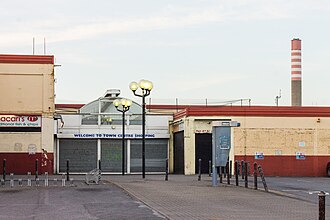
Shuttered shopfronts, narrow alleys and the faded names painted above old shutters are an urban palimpsest: commerce written, erased and rewritten over generations. In Dublin those traces are particularly rich—pieces of timber and tile that speak of bakers, haberdashers, fishmongers and bootmakers. Over time such traces have gathered stories, and where trade records stop, folklore often begins. This article will help you read those physical clues, separate documented business history from legend, follow a compact self-guided route through Fishamble Street, Capel Street alleys, Thomas Street and Meath Street, and visit with respect.
Book a Haunted Hidden Dublin walking tour
Why shuttered shops and backstreet merchants matter: commerce, memory and the making of urban ghost stories
Small businesses shape the daily rhythms of a city. They are where neighbourhoods meet: the baker who knows every regular, the cobbler who fixes a sole between stories, the pawnbroker whose window of goods suggests other people’s needs. When these businesses close, their material traces remain—tilework, hooks, recessed doorways, painted signs—all of which anchor stories. Sometimes those stories are straightforward memories recorded in directories and newspapers; other times they are embellished by time into ghost tales that serve social or moral purposes.
Understanding these layers helps visitors appreciate both the ordinary history of work and the imaginative lives communities use to make sense of loss and change. The physical evidence on a façade can be read as a primary source: it tells you about craft, clientele and even the daily light an owner counted on.
Reading a façade: physical clues to former trades
Façades are full of practical details that outlast their original use. Learn to recognise the most common clues and what they typically indicate.
Signage and painted names
Faded painted names above a door can reveal a former proprietor’s surname or trade. These were often preserved long after businesses changed hands because re-lettering cost money. For documented history, cross-check a painted name with trade directories and local newspapers to confirm dates and the nature of the business.
Fittings and fixtures
Look for hooks, iron rings set into stone, recessed windows, and tiling. Hooks and rings often held awnings or signboards; a recessed window with a low sill suggests goods displayed to passersby. Patterned tiles—especially ceramic ones with lettering—were common in food shops, dentists and pharmacists. These physical details are concrete clues; documentary confirmation comes from valuation and business registration records kept in local archives.
Window layouts and bricked-in openings
Changes to window lines—bricked-in openings, smaller panes, or additional doorways—can indicate alterations for new trades or combined premises. Building plans and the Valuation Office maps in archives can verify when and why those changes occurred. Where no records exist, treat an interpretive reading as informed hypothesis rather than fact.
Case studies — corners to look for
Below are streets where the fabric of small business life has left visible traces and where folklore has taken root. For each, I note what the material evidence typically reveals and how those traces intersect with local tales.
Fishamble Street
Once alive with market traffic and music halls, Fishamble Street still shows narrow shopfronts and cellar doors. Documented histories for this area are found in city directories and contemporary accounts; they record fishmongers, taverns and small music venues. Folklore here often blends tales of itinerant performers with hauntings associated with losses at sea—a thematic link rather than a documentable cause-and-effect. When you inspect a shuttered frontage, look for cellar steps (evidence of fish storage) and ask whether a haunting story is tied to a specific person documented in archival sources or is a general moral tale about risk and fortune.
Capel Street alleys
Capel Street’s back alleys once housed workshops and small-scale trades. Physical clues include soot-stained brick, ironwork for pulley systems and small, private courtyards. Trade directories will confirm the presence of tailors, joiners and small manufactories; local oral histories and courtyard legends collect the more speculative stories. Distinguish the two: documented shopkeepers’ names, rent records or insolvency notices are concrete; stories about restless apprentices or ghostly deliverers often belong to the oral tradition.
Thomas Street
Thomas Street shows evidence of long-lived retail trade: taller display windows, layered signage and evidence of shopfront consolidation. Archival street-level directories and newspaper advertisements can confirm the life cycles of businesses here. Many ghost stories about Thomas Street link to acts of kindness or betrayal—these narratives often function as cautionary folklore rather than documented events.
Meath Street
Meath Street retains the imprint of market trade in its loading bays and service entrances. Look for worn thresholds and traces of market stalls in recessed areas. Documentary sources such as market records and contemporary reporting can verify what was sold where. Legends about specific stalls or a single “cursed” merchant are common, but unless corroborated in archival records (ads, court reports, probate documents), treat them as local storytelling.
Folklore vs documented history: how to verify a claim
If a ghost story catches your imagination, here are clear steps to separate folklore from verifiable history.
Check the archives
City and national archives, trade directories, valuation maps, rate books and digitised newspapers are the go-to sources. Look for proprietor names, business descriptions, advertisements and legal notices. These records establish who ran what business and when.
Notice the signals of folklore
Stories without names, dates or specific events are often folklore. Recurrent motifs—apprentices who die in mysterious ways, unfair employers undone by supernatural justice, or anonymous weeping from a sealed room—are narrative patterns rather than evidence. When a tale appears in oral collections or modern tourist retellings but lacks archival footprint, mark it as legend.
Use intermediary resources
Local historical societies, museum displays and well-researched guidebooks often synthesize archival research. If you plan research beyond casual interest, resources like the Crowdfunding Quick-Start can help support deeper archival work to document elusive claims.
A 60–90 minute self-guided walk
This compact route keeps to public streets and highlights visible traces without requiring access to private property. Allow 60–90 minutes to move slowly and read façades.
- Begin at Fishamble Street. Look for cellar steps, faded painted names and door heights. Read the shopfronts for signs of market trade.
- Walk to Meath Street. Note recessed bays and worn thresholds. Imagine the flow of market carts and check for any surviving tilework.
- Move toward Thomas Street. Observe larger display windows and layered signage—evidence of commercial consolidation. Pause to compare painted names with entries in a directory app or paper guide.
- Finish with the alleys off Capel Street, peering into courtyards where small workshops once clustered. If you’re curious about enclosed spaces and uncanny stories, you might also enjoy our piece on Hidden Courtyards of Dublin.
At each stop: photograph respectfully from the public way, note fixtures and any names, then later cross-reference with directories and newspaper archives. If you plan to use findings for a talk or research, consult valuation records and trade registries to confirm ownership and dates.
Responsible and rewarding visiting
Respect matters. Many shuttered façades are attached to occupied buildings; others are private courtyards. Ask permission before entering private spaces. If you photograph, avoid intrusive close-ups of adjacent homes and do not block entrances.
Support current small businesses nearby: buy a coffee, leave a positive review, or ask proprietors about their building’s history—many owners enjoy sharing what they know. For safety, be cautious in narrow backstreets after dark and travel in groups if possible.
Next step — guided tours and deeper dives
A Haunted Hidden Dublin tour adds archival context, curated stories and sources—from street directories to newspaper reporting—so you can hear both the documented facts and the folklore, clearly labelled. Our guides point out architectural details you might miss and explain how to follow up on records yourself. For private groups and bespoke research walks, see our group options.
Book a Haunted Hidden Dublin walking tour
If you’re organising a private group or researching for publication, consider group arrangements and tailored sessions: Book a private group tour.
For related reading and inspiration, our resources include practical ideas for presentation and props in public storytelling: Low-Cost Props and Costume Ideas for Dublin Ghost Tours, explorations of old school buildings in Silent Classrooms, and walks inspired by Bram Stoker in Bram Stoker’s Quieter Corners.
FAQ
Are these shuttered sites safe and open to the public to view?
Most façades are visible from the public street and safe to observe from the pavement. Some courtyards or loading areas are private; do not enter without permission. Use common-sense safety in narrow alleys and avoid visiting alone late at night.
How can I tell if a ghost story about a shop is folklore or based on records?
First, look for named people, dates, and specific events. Then search trade directories, newspaper archives and valuation records. If those sources corroborate the tale—names and incidents match—treat it as documented history. If a story lacks names or dates and fits common narrative motifs, it is likely folklore.
Is the suggested walk suitable for families and people with mobility needs?
The route stays on public streets and is flexible in length. Some surfaces are uneven and alleys may be narrow. For families, keep close supervision in tight spaces. For mobility needs, consider contacting us for a tailored route or a guided option that avoids steps and rough surfaces.
Can I join a guided tour that focuses specifically on these small-business histories?
Yes. Our Haunted Hidden Dublin tours emphasise the material traces of small businesses and explain how to read façades alongside archival context. For private or specialised group bookings, see our group tours page to arrange a bespoke session.