
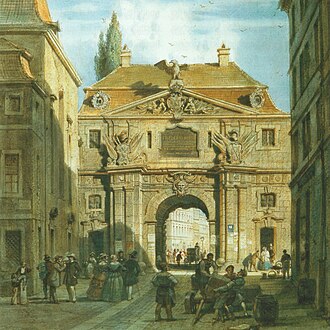
Old Dublin Gates and Alleys Ghost Walk — Guided history & haunted laneways
Walk beneath stone arches and through lantern-lit laneways where medieval walls once kept the city in and the outside out. The Old Dublin Gates and Alleys Ghost Walk pairs documented history of Dublin’s surviving gates and backlanes with clearly labelled folklore and ghost stories, giving you a guided, visitor-friendly route that is atmospheric without being sensationalist.
Book your Old Dublin Gates & Alleys Ghost Walk
Why take the Old Dublin Gates and Alleys Ghost Walk — what to expect and who it’s for
This walk suits curious visitors who want historical context as much as a touch of the uncanny. You’ll hear about the physical remains of Dublin’s fortifications, the post-medieval changes that erased much of the wall, and the narrow lanes that grew up between churches, markets and warehouses. Every ghost story is presented clearly as folklore or eyewitness report where appropriate, so you always know what is archival fact and what is local legend.
The pace is relaxed. Guides are trained to stop for photographs, to point out architectural details, and to allow time for questions. The tone is atmospheric and credible — aimed at adults, families comfortable with mild spooky themes, and visitors who prefer interpretation grounded in history.
Route at a glance: map, key stops and pacing
Typical walk length: approximately 60–75 minutes, covering about 1.5–2 kilometres through the oldest core of Dublin. We remain on public streets and alleys; the route is circular so you return close to the meeting point.
- Meeting point in the historic quarter near High Street.
- Key stops: St. Audoen’s Arch (surviving gate fragment), Cornmarket and adjacent lanes, Fishamble Street approaches, Church Lane and narrow backlanes off the main thoroughfares, and a selection of hidden courtyards.
- Pacing: frequent short stops (5–10 minutes) for storytelling and historical context, with a couple of longer stops at the most notable gates and alleys.
The walk complements other themed experiences in our collection; for a longer city-wall focused tour see our Dublin City Walls After-Dark Ghost Trail — History, Folklore & Visitor Guide, or for more haunted-laneway highlights try our round-up of the Haunted Laneways of Grafton Street.
Documented history of Dublin’s gates and alleys
Medieval Dublin was a walled town with gates controlling access; remains of those defenses survive in fragments woven into later buildings. One visible remnant you will encounter on the walk is St. Audoen’s Arch — an identifiable masonry survival from the city’s defensive past. City walls were gradually dismantled or absorbed into new construction across the post-medieval period as the city expanded.
Documentary and architectural evidence shows that many alleys began as service routes for markets, churches and merchants. Over time they changed function: some became dense residential courts; others housed tradespeople and small workshops. Where specific archival records exist — charters, property rolls, maps — guides will point them out and explain how we know what we know. Where records are missing, we state that plainly rather than speculate.
Top haunted gates and alleys on the walk — stop-by-stop
St. Audoen’s Arch
History: St. Audoen’s Arch is a surviving built fragment connected with Dublin’s medieval gate system. Its masonry and location are demonstrable through architectural study and mapping of the old street pattern.
Reported sightings: Local stories associate the arch with cold spots and fleeting figures seen by night-shift workers and tour-goers. These are presented as contemporary eyewitness reports rather than archival incidents.
Verdict: Historical structure — documented. Associated hauntings — oral testimony and folklore.
Cornmarket and the feeder lanes
History: Cornmarket was historically a market area close to the medieval core. The lanes leading from it retain narrow profiles and exposed stone that hint at earlier city layouts.
Reported sightings: Tales include shadowy figures among the market facades and unexplained footsteps after closing time. Such accounts are anecdotal and often local oral tradition.
Verdict: Market history — documented by trade records and street-name continuity. Haunt stories — folklore and contemporary reports.
Fishamble Street approaches and neighbouring alleys
History: This area has a long commercial and social history, including performance and market activity in different centuries. Physical fabric and placenames corroborate its long-standing civic role.
Reported sightings: Visitors and some shopkeepers have related unnerving encounters in the narrow side lanes. These are treated on the tour as modern eyewitness accounts unless supported by documentary evidence.
Verdict: Site history — documented. Specific ghost incidents — eyewitness or folklore.
Church Lane and the hidden courtyards
History: Laneways around churches often grew from access ways for parish business and graveyards. Archaeological and parish records explain their original roles.
Reported sightings: Old legends persist about bells tolling for no reason or figures near vaults. As with other stops, we separate parish and burial records from later legend when describing these tales.
Verdict: Parish and architectural facts — documented. Supernatural claims — folklore and legend, unless corroborated by contemporary reports.
Eyewitness accounts, oral tradition and how we separate folklore from documented history
We collect two kinds of non-archival material: oral tradition (historic stories passed down locally) and contemporary eyewitness reports (statements from residents or visitors describing recent experiences). On tour we label these differently.
- Documented history: based on maps, architectural features, civic records and physical evidence. Guides will explain the basis of historical claims and avoid asserting uncertain facts.
- Oral tradition: older tales told in the community; we identify them as folklore and give context about how and when such stories typically appear in urban memory.
- Eyewitness reports: current accounts are shared as testimony. Guides make clear when a story is an individual’s recent experience rather than a historical record.
This transparent approach helps visitors enjoy the atmosphere while understanding the difference between what is recorded and what is imagined or reported anecdotally.
Practical visitor info: meeting point, duration, accessibility, weather, what to bring and safety on narrow laneways
Meeting point: close to the historic High Street area; specific directions are provided at booking and in the confirmation email.
Duration and distance: about 60–75 minutes and roughly 1.5–2 kilometres. The route includes uneven paving and tight lanes.
Accessibility: many parts of the walk use narrow or uneven stone surfaces and can be challenging for guests with limited mobility. If you or a companion use a wheelchair or have significant mobility needs, please contact us when booking to discuss suitability and alternative options, or consider a custom private tour.
Weather & clothing: the tour runs in light rain — bring a waterproof jacket and comfortable shoes. In winter evenings are colder and lanterns are used to enhance atmosphere; guides will advise if a date should be postponed for severe weather.
Safety: lanes can be narrow and occasionally dimly lit. Guides advise on safe passage, and groups stay together. Avoid large backpacks that restrict movement in tight alleys; see our practical gear tips in the Budget Equipment Checklist for Dublin Ghost-Hunt Bloggers — Essential Low‑Cost Gear for recommendations.
Booking options: public departures, private group tours and related Hidden Dublin experiences
Public departures run most evenings; schedules and ticket prices are on the booking page. For families or solo travellers we recommend arriving 10 minutes early to check in.
Private and group tours: we offer bespoke group bookings for corporate groups, private celebrations, and educational groups. For tailored itineraries and alternate meeting points see our private group booking page: Book your Old Dublin Gates & Alleys Ghost Walk (private groups).
Related experiences: if you want to expand your exploration of haunted Dublin, consider our pieces on Clerys Department Store Ghost Stories and the Baggot Street Georgian Ghost Tales walking guide.
Book your Old Dublin Gates & Alleys Ghost Walk
FAQ
How long is the Old Dublin Gates and Alleys Ghost Walk and what distance does it cover?
The walk lasts approximately 60–75 minutes and covers around 1.5–2 kilometres, depending on the exact route on the night. The pace is steady with frequent stops for storytelling and photographs.
Is the walk suitable for children or guests with limited mobility?
The tour is family-friendly for children who can manage uneven paving and narrow lanes. It is less suitable for guests with limited mobility due to cobbles, steps and tight passages. Contact us if you need accessibility advice or wish to arrange a private group with an adjusted route.
What’s included with a ticket and can I book a private tour for a group?
A ticket includes the guided walk, historical interpretation, and labelled folklore accounts. Admission to buildings is not included. Yes — private tours are available and can be tailored for groups, special interests or mobility needs. See our private group booking page for details.
How do you distinguish between verified history and folklore on the tour?
Guides clearly label each story: documented history is supported by physical evidence, maps, or archival records and is explained as such. Folklore and eyewitness accounts are introduced as local stories or contemporary testimony, with context about their origins and reliability. We never present folklore as archival fact.