
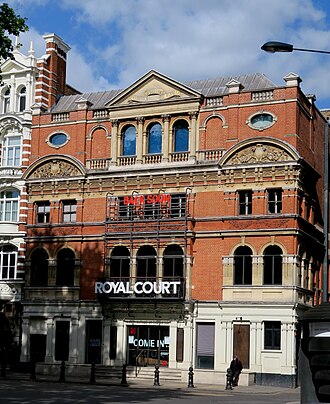
Theatre Royal Spectral History: Dublin’s theatres have long been fertile ground for ghost stories, and the name “Theatre Royal” carries a particular gravity for Dubliners and visitors alike. Across its successive incarnations, the Theatre Royal was a hub of spectacle, emotion and human drama—conditions that encourage storytelling and the emergence of a spectral reputation. This article separates what we can verify in contemporary records from the folklore that grew around those records, catalogues recurring haunting motifs, considers how culture and press amplified the myths, and points to where you can stand today and feel the lingering echoes for yourself.
Documented history of the Theatre Royal
The label “Theatre Royal” was used by multiple venues in Dublin over the centuries, reflecting the city’s evolving theatrical scene. These houses hosted a mixture of spoken drama, opera, music hall and variety entertainment, and they were central to Dublin social life. What is firmly documented in contemporary theatre records, trade directories and local press is the pattern of change: theatres opened, were rebuilt or remodelled, adapted to new tastes, and sometimes closed or were demolished to make way for commercial development.
Architectural alterations, changes in management and programming, and the occasional accident or industrial incident are the sorts of events that survive in archival newspapers and company records. Robust theatrical archives also record premieres, notable performers and the regular rhythms of repertoire. These verifiable strands—who played where, what plays were staged, and how the buildings themselves changed—form the factual backbone against which later tales were told.
It is important to distinguish this documentary trail from the stories that attach themselves to buildings over time. Where records exist they tend to be administrative, descriptive and contemporaneous. They show a place of human activity rather than supernatural agency, but they do show why imagination might attach itself to a theatre: grief, sudden endings, triumphant returns and the intensities of live performance all create memory-making moments that later storytellers reframe as hauntings.
How legends grew: tracing the origins of Theatre Royal ghost stories
Legends rarely spring fully formed. Ghost stories around the Theatre Royal appear to have evolved in layers: first, reportage of dramatic events or tragedies; second, personal anecdotes in letters and memoirs; and third, retellings in local press, guidebooks and oral tradition that added embellishment. Theatre culture—full of dramatic exits, stage deaths, and the mingling of backstage and public life—naturally fed narrative imagination.
Folklore differs from documented history in its purpose and method. Where historians look for original records, dates and corroboration, folklore records the resonance of an event: how it was remembered, what symbolic meaning it carried, and how it changed in retelling. With the Theatre Royal, many of the most persistent tales (phantom actors, disembodied applause, recurring apparitions in period costume) are motifs common to theatrical folklore worldwide. They tell us less about unique supernatural proof and more about collective memory and the theatre’s role as a liminal space between life and art.
In short: documented incidents explain why a site might attract stories; folklore explains how those stories are told, retold and amplified until they take on a life of their own.
Reported hauntings and recurring spectral motifs
The following items are presented as reported anecdotes drawn from local storytelling traditions, memoir fragments and modern recollections rather than as proof. They represent the kinds of claims that have attached to the Theatre Royal over time.
- Apparitions of performers: Visitors and tour guides have related tales of figures seen in historical costume, often backstage or in former dressing-room areas. These are typically described as brief, silent sightings.
- Phantom applause and music: A recurring motif in Dublin theatrical legend is the sound of clapping, music, or orchestral strains heard when a venue is otherwise empty—an echo of a past performance rather than a documented acoustic anomaly.
- Cold spots and sudden moods: Witnesses sometimes report sudden drops in temperature or a sense of melancholy in spaces associated with the old theatre footprint. Such experiences are common in many urban ghost stories and reflect psychological as well as environmental factors.
- Backstage footsteps and doors: Stories of unseen movement in service corridors, doors opening and closing, or props shifting overnight are a staple of theatre lore and appear in multiple anecdotal accounts concerning venues called the Theatre Royal.
These motifs recur not only in Dublin but in theatrical folklore more widely. They are interesting cultural phenomena that tell us about how communities inhabit and narrate theatrical spaces after their original functions have changed.
Cultural impact: plays, press and popular media
The press plays an outsized role in transforming everyday incidents into legend. Local newspapers, theatrical reviews and later histories repeatedly referenced dramatic episodes connected to theatres, and in doing so they preserved and sometimes embellished them. Once a story circulates in print, it gains authority and becomes easier to repeat as fact.
Popular culture also fed the theatre’s haunted reputation. Radio features, television documentaries and guidebook chapters often favour the atmospheric angle, selecting the most evocative anecdotes and presenting them alongside historical context. Plays and fictional treatments about actors’ lives or tragic incidents associated with theatres have further blurred the boundary between dramatized drama and perceived reality.
If you want to see other Dublin sites where similar storytelling patterns are visible, consider the atmospheric ruins at St Mary’s Abbey Ruins: Spectral Echoes, or how burial ground narratives shape modern tours in After-Dark Tales at Glasnevin Cemetery. For a sense of how property histories become ghost stories across the city, our piece on Dublin’s Cursed Inheritances explores comparable cases.
Visiting the sites today: where to go, what remains and respectful conduct
Much of the Theatre Royal’s material fabric—its stages, wings, and auditoriums—has changed or vanished with redevelopment. What remains is a combination of built fragments, street-level trace, and the stories preserved in archives and local memory. Visitors often find the resonance of the theatre in nearby streets, plaques, or buildings that incorporated parts of earlier structures.
When visiting, remember to treat sites and surrounding areas with respect. Many of these places are on active streets, near private property or in sensitive historic zones. Observe signage, stay on public paths, and avoid trespassing into restricted areas. If you feel moved to reflect or photograph, do so unobtrusively and with consideration for residents and workers.
To explore Dublin’s broader spectral patterns, including recurring apparitions and motifs, our overview of Dublin Spectral Motifs provides context for understanding why certain images—phantom performers, shifting shadows, or disembodied music—appear so often in local lore. If your interest in theatrical hauntings extends into grand houses and manor legends, you might also enjoy Terenure Manor House Legends for comparison.
Tour options: experience the Theatre Royal stories with Haunted Hidden Dublin
Haunted Hidden Dublin offers guided walks that place the Theatre Royal’s stories within the city’s physical and documentary landscape. Our public walks use archival snippets, contemporary accounts and local lore to present a layered picture—one that respects the difference between what is recorded and what is remembered. For groups wanting a tailored experience, we also provide private bookings that can focus specifically on theatrical hauntings, the urban history of performance, or a bespoke route through Dublin’s spectral landmarks.
If you are organising a private group and would like a focused itinerary examining theatrical histories and haunted sites, we can create a customised route—please enquire via our private groups page: https://www.hiddendublintours.com/group-tours-dublin/.
Conclusion
The Theatre Royal’s spectral reputation is a palimpsest: factual records of performances and building changes underlie a rich overlay of personal recollection and folklore. Neither layer negates the other. Documentary history explains the material conditions that produced poignant or dramatic events; folklore reveals how communities process those events and keep them alive through storytelling. Visiting the surviving sites and joining guided walks helps you appreciate both strands—what is verifiable, and what the city chooses to remember as legend.
FAQ
Is the Theatre Royal actually haunted or are the stories mostly folklore?
Accounts of hauntings are primarily anecdotal and part of local folklore. While many witnesses describe experiences that felt very real to them, these stories operate within a cultural tradition of theatrical ghost motifs. Documented history explains why the stories arose; folklore explains how they were told and amplified.
Where was the Theatre Royal located and can I visit the original site?
The name “Theatre Royal” applied to several Dublin venues over time. Much of the original fabric has been altered or replaced, so visiting today means looking for surviving traces in the urban landscape and reading archival material. Guided tours will point out where the historical footprints lie and how the modern streetscape relates to the theatre’s past.
Do Haunted Hidden Dublin tours focus specifically on the Theatre Royal spectral history?
Some of our public tours include sections on the Theatre Royal as part of a broader exploration of Dublin’s theatrical and spectral history. We also run themed walks and can concentrate on the Theatre Royal stories where interest warrants it—check the tours page for current schedules and themes.
Can I book a private group tour to explore theatrical hauntings and related sites?
Yes. We offer private group bookings with bespoke itineraries that can focus on theatrical hauntings, historic theatre locations, or a wider range of Dublin’s haunted landmarks. Visit our private groups page to enquire and plan a tailored experience.