
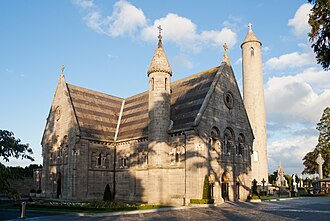
After-Dark Tales at Glasnevin Cemetery: History, Legends & Tours
Glasnevin Cemetery after dark is a different city: stone silhouettes, quiet pathways, and an atmosphere that encourages both reflection and curiosity. A night walk here can feel cinematic, but it is also an opportunity to encounter verified history in situ—monuments, burial plots and a museum—and to hear the oral folklore that has gathered around them. Responsible tours separate the two: what is recorded and provable, and what belongs to legend and local storytelling.
Why visit Glasnevin after dark: what makes a night walk different
Visiting Glasnevin at night brings several sensory shifts. Paths that feel ordinary by day take on a sharper geometry in the low light. Echoes carry differently across open graves and walled enclosures. Lighting—lanterns, path lights and the soft illumination of key monuments—creates focal points that guide narrative stops.
A night walk invites a quieter pace. Guides can linger at individual stones, explain inscriptions and context, and contrast the documented record with local storytelling. For many visitors, this contrast deepens appreciation of both the cemetery’s historic role and the human impulse to tell stories about the dead.
A concise, documented history of Glasnevin Cemetery
Glasnevin Cemetery was established in the 19th century as a non-denominational burial ground and quickly became a major resting place for Dubliners from all walks of life. It occupies an important place in Dublin’s social and political history: the cemetery contains large family plots, the graves of public figures and sections set aside for those who died in poverty or crisis.
Beyond individual burials, Glasnevin functions as a curated space of memory. The adjacent museum documents funerary customs, the cemetery’s role in national history, and the stories of communities that used Glasnevin across generations. On a night walk you will encounter many of the cemetery’s documented features: the main avenues, key monuments, the museum building, and memorial plots that are open to the public.
Notable graves, monuments and their verified stories
Guides on a night walk focus on verifiable features you can see and touch. Expect stops at large, well-known monuments and at communal plots that reflect social history.
The founder’s presence and the layout
The cemetery’s arrangement—main avenues feeding into quieter lanes—reflects its origins as a major urban burial ground. Visitors will see monumental stones and family plots that demonstrate changing funerary styles over two centuries.
Republican plots and civic memory
Glasnevin includes plots associated with Ireland’s political history. These are documented sites where visitors can learn about funerary practices for national figures and about how public memory is constructed in stone and ceremony. Tour guides clearly explain what is recorded—burial locations, inscriptions and public commemorations—so visitors get factual context rather than speculation.
Public memorials and museum displays
The cemetery’s museum and visible memorials explain social issues that shaped Dublin: migration, poverty, and the aftermath of political conflict. During a night walk you will be shown external features and façades that are illuminated for visibility; the guide will refer to museum exhibits for deeper background should you wish to follow up by day.
Common legends and ghost stories of Glasnevin — folklore vs documented fact
Folklore in Glasnevin is rich and varied. It includes personal tales handed down in neighbourhoods, dramatic accounts attached to particular monuments, and broader urban legends about sights and sounds heard after dark. These stories are an important part of Dublin’s intangible heritage and are usually delivered on tours with a clear label: folklore.
Folklore examples often told on night walks include accounts of unexplained footsteps, the feeling of being watched near certain lanes, and stories that link particular monuments to dramatic personal tragedies. These are compelling and culturally meaningful, but they are not the same as documented facts about burials or historical events.
Guides separate the two deliberately: documented fact is presented with verifiable context—who is buried where, what a monument commemorates, and how that fits into Dublin’s history. Folklore and ghost stories are presented as stories—community narratives that illuminate how people have engaged emotionally with the cemetery. If you want to explore the wider pattern of haunted claims around the city, you might also find related reading useful, such as our pieces on Dublin’s Cursed Inheritances and Dublin Spectral Motifs.
How guided after-dark walks work: storytelling approach, permissions, and respect for the site
Responsible night tours balance atmosphere with ethics. At Haunted Hidden Dublin we follow a few core practices: we obtain any necessary permissions for evening access, operate within opening hours and site regulations, and keep group sizes manageable to minimise disturbance.
Storytelling is layered. Guides state clearly when they are relaying documented history, and when they are sharing folklore or personal anecdotes. Visitors are encouraged to ask questions and to treat the grounds with respect—no climbing on monuments, no intrusive behaviour at graves, and no loud or disrespectful conduct.
We also emphasise sensitivity around recent burials and family plots. Night walks are designed for public areas and widely known monuments; when a particular stone is the focus of a legend, guides make sure to frame that narrative as community storytelling rather than historical fact.
Practical tips for visitors: timing, safety, photography, accessibility and what to wear
Timing: Most after-dark tours run shortly after sunset and last between 60 and 90 minutes. Check local sunset times seasonally; winter evenings are long, while summer nights arrive late.
Safety: Wear sensible footwear—the cemetery paths are sometimes uneven. Tours are conducted on established pathways; follow your guide’s instructions and stay with the group. If you have mobility concerns, contact the tour operator in advance to discuss route options and accessibility.
Photography: You may photograph public monuments on a night tour, but respect other visitors and avoid flash directly at graves or people. Many guides will pause at well-lit monuments for photos. If you plan to use professional equipment or tripods, tell the operator in advance to confirm permissions.
What to wear: Dress for weather—waterproofs and layers are recommended. A small torch can be useful for personal navigation, but please avoid shining bright lights onto monuments or other visitors.
How to book a responsible night tour and suggested itineraries
Booking is straightforward: reserve a public walk through our main tour page. Public routes typically include the cemetery’s main avenues, a selection of notable monuments, the museum exterior and the Republican plot area. They combine documented history stops with clearly labelled folklore segments.
For private groups or custom itineraries—schools, corporate groups, or community organisations—contact our private groups team to arrange a tailored night walk that respects educational or accessibility needs. For group bookings, visit our private groups page to enquire and plan.
Suggested itineraries:
- Introductory Night Walk (60 minutes): main avenues, founder context, two or three monuments, folklore highlights labelled as such.
- Historical Focus (90 minutes): extended look at political and social memorials, more documented context, recommended daytime museum visit included.
- Custom Group Experience (90+ minutes): tailored stops, Q&A, and accessible routing available upon request—best arranged via our private booking service.
Book your Glasnevin after-dark walking tour with Haunted Hidden Dublin — reserve a spot on our guided night walks today. For private groups and bespoke itineraries, please visit our group bookings page: Plan a private Glasnevin night walk with Haunted Hidden Dublin.
FAQ
Is Glasnevin Cemetery haunted?
Short answer: Glasnevin is a place rich in stories. While many visitors report an atmospheric feeling after dark, claims of hauntings belong to folklore. Our tours present those stories as community narrative, and distinguish them from documented history about burials and monuments.
Are after-dark tours of Glasnevin Cemetery legal and safe?
Yes—legitimate after-dark tours run with site permissions and follow safety procedures. Choose reputable operators who confirm access arrangements, keep group sizes reasonable, and brief participants on respectful conduct and route safety.
Can I take photographs during a night walk?
Yes, casual photography is generally allowed. Be discreet with flash, respect other visitors and graves, and check with the guide if you plan professional equipment or tripods. Some areas may be restricted after dark, so follow the guide’s direction.
Are after-dark walks suitable for children or large groups?
Children can attend if the group pace and content are appropriate; guides will indicate age suitability for particular tours. Large groups are best arranged as private bookings so routing, accessibility and content can be adapted—contact the private groups page to plan a tailored experience.