
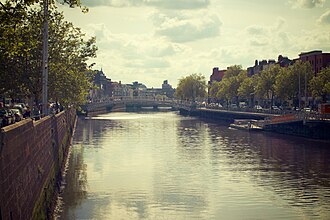
Blessington Street Basin: Strange Encounters, History & Visitor Guide — Haunted Hidden Dublin
Blessington Street Basin is a compact, surprisingly atmospheric green space tucked within Dublin’s urban fabric. Its still water, brick surround and parkland setting invite curiosity; local lore layers an uncanny reputation over what is, in municipal terms, an old city reservoir repurposed as a public amenity. This article separates the documented history from the folklore, explains why people report odd sensations there, and gives practical visiting advice for those who want to experience the site responsibly.
The documented history: Blessington Street Basin’s municipal role
In municipal records and local guidebooks, Blessington Street Basin is consistently described as a former urban reservoir built to supply water to surrounding neighborhoods. It functioned as a holding basin within Dublin’s broader water distribution network before being decommissioned and later transformed into public open space.
Physical features—stone walls, sluice points and the basin’s rectangular plan—are evidence of its utility. The area around it was adapted over time to serve recreation and amenity needs rather than mechanical or industrial ones. Information in council publications and conservation notes focuses on restoration, planting and access improvements rather than mysterious events.
When discussing the site, it’s helpful to keep this documented purpose in mind: what you see is primarily civic infrastructure repurposed into a small city park.
Folklore vs. fact: how stories develop
Local oral traditions and modern retellings have attached a layer of folklore to the basin. These stories include reports of strange encounters, unexplained noises, and unnerving reflections. It’s important to mark these as unverified folklore rather than documented fact.
Several reasons explain why such stories persist. Urban green spaces framed by water, brick and shadow often encourage ruminative thought. When people are primed by a spooky reputation, ordinary stimuli—wind, birdsong, echoes—are reinterpreted as something uncanny. Social sharing, late-night walks and guide-led storytelling also amplify and mutate tales over time.
Haunted Hidden Dublin acknowledges these stories as part of the site’s cultural tapestry while distinguishing them from municipal records or verified incidents.
Reported types of encounters (local tellings)
Local accounts tend to cluster around a few common themes. Visit narratives often describe:
- Sudden chills or a sense of being watched when standing at the basin edge.
- Reflected, distorted faces or shapes on the water surface at low light.
- Audible phenomena: distant footsteps, soft voices or water sounds that seem out of place.
- Flashes of movement at the periphery of vision, often dismissed later as city traffic, animals or other visitors.
These reports are anecdotal and unverified. Human perception is highly suggestible, and the basin’s reflective surface, brickwork and surrounding trees create visual and acoustic effects that can feel uncanny, especially after dusk.
How perception and environment interact
Reflections on still water can produce mirror-images that appear to move independently when ripples pass. Streetlights, passing cars, and illuminated windows can create patterns of light that the brain attempts to interpret as familiar shapes. Echoes off the basin walls can deform ordinary sounds into something unfamiliar.
Understanding these physical causes helps explain why “strange encounters” often follow predictable patterns rather than anomalous phenomena.
Visitor guide: getting the most atmospheric—and accurate—view
Best times to visit
For atmosphere, the hour after dusk is when light, reflection and shadow combine most effectively. Early morning can also be evocative: calmer air and fewer people make the basin feel intimate. If you seek solitude, weekdays outside of commuting peaks are preferable.
Where to stand for the most atmospheric views
The basin’s perimeter offers a few vantage points. Standing on the north edge gives wider sightlines across the water; the south side frames the brick walls and planted areas closely. Benches and small viewing platforms invite still observation—ideal for photography or quiet reflection.
Photography tips and avoiding optical illusions
- Use a tripod for low-light shots to avoid motion blur—this also reduces camera shake that can create misleading streaks of light.
- Turn off long-exposure modes if you want to capture the scene as the eye sees it; long exposures will smooth water and amplify moving light sources into ghostly streaks.
- Watch for reflective hotspots caused by streetlamps or phone screens; reposition slightly to change the angle and reveal what’s a reflection versus a solid object.
- Use a low ISO to reduce grain, which the eye can map to texture and be mistaken for detail in shadows.
Practical safety and respect
Lighting and pathways
Pathways around the basin are maintained, but lighting varies. Stick to the well-lit routes after dark and avoid stepping close to the water’s edge where surfaces may be slippery. Wear sensible footwear and bring a small torch if you plan to explore outside peak hours.
Wildlife and environment
The basin supports birds and urban wildlife. Do not feed animals, and keep dogs on leads. Respect planting beds and avoid climbing on historic stonework. These simple practices protect both visitors and the site’s ecology.
Approaching sensitive stories
Some local narratives refer to accidents or losses. Treat these subjects with care: avoid sensationalism, respect privacy and remember that real people are central to traumatic events. Haunted Hidden Dublin frames such accounts sensitively on guided walks and focuses on communal history rather than lurid detail.
How to include Blessington Street Basin on a night or themed walk
Sample route ideas
Blessington Street Basin pairs well with nearby atmospheric locations. A short themed loop might start at the basin, continue along urban lanes to link with the Royal Canal area—see the Royal Canal Eerie Crossings Trail — A Dark History Walking Guide for related context—and then head toward shaded squares or historic terraces.
A longer night walk can incorporate other Haunted Hidden Dublin routes such as the Grand Canal After‑Dark Secrets Trail or the Merrion Square Statues & Ghost Stories — A Visitor’s Guide for a varied experience that blends civic history and folklore.
What a Haunted Hidden Dublin guided visit covers
Our guided visits to Blessington Street Basin blend verified municipal history, landscape interpretation and the local folklore we’ve already described. Guides clarify what is documented and what is anecdotal, point out physical features that explain many reported sensations, and provide safe, respectful context for those who want to hear the stories.
Booking notes
Public night tours occasionally include the basin as part of a themed route; check scheduled listings to confirm. For private groups, custom walks can emphasise the basin and its surroundings—learn more on our private groups page. Tailored routes can adapt to mobility needs and photographic interests.
For private or group bookings, including tailored after-dark options that focus on the basin, visit our private groups page: group tours and custom walks information.
If you run a local blog or community initiative, our practical approach to blending history and folklore has inspired others—see Bootstrapped marketing ideas for a Dublin ghost blog to drive tour bookings for tips on responsible storytelling and promotion.
FAQ
Are the ‘strange encounters’ at Blessington Street Basin proven or documented?
The reports are anecdotal and unverified. Municipal records focus on the basin’s role as a decommissioned reservoir and its later reuse as public green space. Accounts of strange encounters are part of local folklore rather than documented evidence.
Is it safe to visit Blessington Street Basin at night?
Visiting is generally safe if you stick to well-lit pathways, go in a group or on a guided walk, and take sensible precautions—good footwear, a torch and awareness of your surroundings. Avoid the edge of the water after dark and respect any site signage.
When is the best time to visit for atmosphere or to spot reported phenomena?
For atmosphere, the hour after dusk and early morning offer the most evocative light and quieter conditions. Remember that atmospheric conditions and expectation shape how you interpret sounds and sights—many “phenomena” have natural explanations.
Do Haunted Hidden Dublin tours include Blessington Street Basin and how do I book?
Some Haunted Hidden Dublin routes include the basin. Check upcoming tour listings and descriptions for specific stops. To secure a place, book online or enquire about private group options via our groups page at group tours and custom walks.