
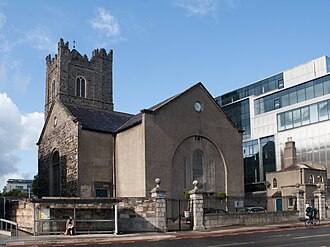
St Michan’s Crypt Mummies and Local Legends: History, Myths & Visit Tips
St Michan’s crypt, tucked beneath a modest church on Church Street in Dublin, draws visitors because it combines visible history, unusual preservation, and centuries of storytelling. For many, a visit promises an encounter with mummified remains, candlelit vaults and a sense of Dublin life that sits somewhere between archaeology and folklore. Whether you come for the history, the atmosphere, or the stories, knowing what is documented and what is legend makes the experience richer and more respectful.
St Michan’s Church in Dublin: Documented History and Architectural Highlights
St Michan’s stands on a site that has served Dubliners for many centuries. The church’s recorded history is layered: it has medieval origins, has been rebuilt and repaired over time, and today presents architectural features that reflect these stages. Visitors can see a straightforward exterior that hides a mixture of stonework, old timber and church fittings accumulated through periodic restorations.
Key architectural highlights that are documented include the church’s vaults and crypt spaces beneath the nave. These vaults were used for burials across generations of parishioners and local families. Above ground, the church retains elements associated with parish life—simple pews, memorials and a tower that historically marked the parish boundary. For anyone interested in Dublin’s urban development, St Michan’s sits in an area where strata of city life—religious, civic and commercial—overlap.
The Crypt Mummies: What the Records and Science Actually Show
The most striking thing beneath St Michan’s is its mummified human remains. These are not theatrical props: the preservation of soft tissue and clothing is real and has been the subject of study and speculation. Documentation from parish records and historical inventories shows that the vaults were used for burials over centuries, often by local families of means or community notables.
Scientific explanations for the unusual preservation are straightforward and supported by observation. The crypt’s dry, airy limestone environment, combined with stable temperatures and the chemical properties of the masonry, create conditions that slow decay. In some cases, mineral-rich dust and natural desiccation have preserved skin, hair and garments. This is a physical process, not evidence of supernatural forces.
Records and past examinations indicate that some remains have been associated with known families through burial registers and fittings found in the vaults. Other bodies remain anonymised by time. While exact provenance for every set of remains is not always clear, the pattern of parish burials, inscriptions and occasional historical reference gives a credible framework for understanding who was laid to rest there.
Local Legends and Ghost Stories: Common Tales, Origins, and How They Differ from the Historical Record
Stories about St Michan’s have grown around the crypt for generations. Popular legends include tales of a “crusader” with an iron mask, a mummified nun, and local ghost sightings in and around Church Street. These accounts thrive because they are vivid and because the crypt’s atmosphere encourages imaginative leaps.
When we separate folklore from documented history, a different picture appears. Many legends conflate objects, personalities and later storytelling. For example, the idea of a crusader in chain mail is dramatic but often rests on Victorian-era romanticising rather than parish records. Similarly, stories of hauntings tend to be anecdotal—recollected sightings, footsteps or cold spots—which by their nature are difficult to verify.
That said, legends serve a cultural purpose. They tell us how Dubliners have interpreted death, memory and the city’s past. The myths are valuable as narrative history, but they should be treated differently from archival or scientific evidence. Understanding that distinction helps visitors appreciate both the facts and the folklore.
Visiting St Michan’s Today: Opening hours, entrance, accessibility, photography rules, and respectful behaviour
St Michan’s welcomes visitors, but practical details vary, so check current information before you go. Access to the vaults is through the church and typically requires an entry fee or guided access for safety and conservation reasons. Times and ticketing can change seasonally.
Accessibility: the crypt is reached by stone steps and narrow passages; it is not suitable for visitors who cannot navigate stairs. People with limited mobility should contact the church or opt for a guided tour that can provide summary access or alternatives.
Photography: rules differ by day and by the custodians on duty. Flash photography is often discouraged or prohibited because bright light can harm delicate materials and affect conservation. Be prepared to follow staff instructions, and always ask before touching any surface or artifact.
Respectful behaviour: remember you are entering a burial space. Keep voices low, avoid eating or drinking, and treat the remains and memorials with dignity. The experience is part history lesson, part memorial; visitors should act accordingly.
What to Expect on a Haunted Hidden Dublin Tour
On a Haunted Hidden Dublin guided tour you will experience a blend of documented history and atmospheric storytelling. Our guides are trained to distinguish clearly between archival facts and local lore so you get both the evidence-based context and the evocative stories that make the crypt memorable.
Logistics: tours move in small groups to reduce impact on the site and to keep the experience intimate. Expect a short introduction on the street, a walk to the church, and an escorted visit into the vaults if access is available that day. Guides will point out architectural details, read from contemporary accounts when appropriate, and explain preservation science in plain terms.
Exclusive insights: our guides often share lesser-known historical links and interpretive notes that aren’t on the plaques—connections to Dublin’s urban development, parish life and even related walking trails like the Docklands Back-Alley Legends Trail or the maritime tales in Dublin Port Maritime Mysteries. If you’re interested in transport-related legends, we also discuss stories linked to the Phantom Trams of Old Dublin.
Practical Tips and Nearby Attractions: Transport, combined visits, and safety considerations
Getting there: St Michan’s is centrally located and reachable on foot from many central Dublin locations. Public transport options include buses and nearby Luas/tram stops; check local timetables on the day of your visit.
Combine your visit: Church Street sits near several other points of interest. Pair a trip to the crypt with a walk along nearby lanes and quays, or extend your exploration to themed trails. For maritime and port-related curiosities try our Dublin Port Maritime Mysteries, and for coastal folklore consider the Sandymount Strand Ghost Lights guide.
Safety considerations: vaults are cool, dim and uneven underfoot. Wear sturdy shoes and dress for lower temperatures underground. Follow guide instructions and avoid touching the remains or any fragile surfaces.
If you’re organising a private group, we can tailor the experience: contact us for private group bookings and bespoke visits.
Conservation and Ethics: Why preservation matters and how visitors can help
Preserving human remains and historic spaces is an ethical responsibility as much as a technical one. The vaults are finite and sensitive environments; repeated visits, humidity, oils from hands and light exposure can all accelerate deterioration. Institutions and custodians balance public access with the duty to protect these remains for future generations.
As a visitor, you can help: keep to designated paths, follow photography rules, avoid touching the remains and follow any instructions from staff or guides. Consider supporting conservation through donations or by taking guided tours that contribute to site upkeep. The more visitors understand the fragility of the place, the better its chances of surviving intact.
FAQ
Are the mummies in St Michan’s crypt real?
Yes. The mummified remains beneath St Michan’s are genuinely preserved human remains. Their condition is the result of environmental and material factors in the vaults. Scientific and historical study supports the conclusion that this is authentic preservation rather than reconstruction or theatrical effect.
Can visitors go down into the crypt and see the mummies up close?
Visitors can often see the crypt on guided visits, but access is controlled. The vaults have steps and confined spaces, so entry depends on safety and conservation considerations. Check current access arrangements or join a tour to ensure you can go below ground.
Is St Michan’s haunted — are there verified ghost sightings?
Hauntings are part of the folklore surrounding St Michan’s, but there are no verified, scientific records that prove supernatural activity. Many stories are anecdotal and reflect personal experiences or local tradition rather than verifiable events. Our approach is to present these stories as cultural narratives alongside documented history.
Are guided tours suitable for children or people with mobility issues?
Children can enjoy tours if they are comfortable in dim, enclosed spaces and if the group content is age-appropriate. The crypt is not well-suited to people with limited mobility due to steps and narrow passages. Contact us or the church in advance to discuss accessibility or to arrange alternatives.