
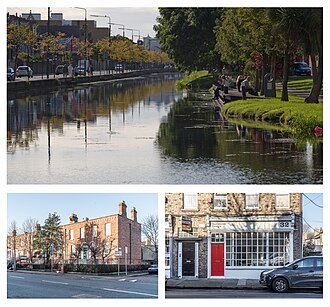
Rathmines Haunted Mansions: Visitor Guide to Dark History, Folklore & Night Walks
Rathmines’ broad avenues and set‑back mansions are part of Dublin’s quieter, more domestic side — which is precisely why they draw dark‑tourism interest. Grand facades, gas‑lit shadows and the occasional boarded window combine with local gossip to create a rich seam of atmosphere. This guide gives visitors a clear, respectful way to see Rathmines’ mansion exteriors at night, separates persistent legends from documented history, and points to reliable next steps for an escorted experience.
Book a guided Rathmines night walk or arrange a private group tour — reserve your spot now.
Built Landscape: The Documented History of Rathmines’ Georgian, Victorian and Edwardian Mansions
Rathmines developed as an affluent residential suburb in the 18th, 19th and early 20th centuries. The architecture you see today is a mix: some terraces and villas retain Georgian proportions, many houses show Victorian red‑brick or stone dressings, and larger detached homes carry Edwardian detailing. Public records, old maps and local directories show steady suburban growth as Dublin’s population expanded and transport links improved.
Documented history here is architectural and social rather than supernatural. Property deeds, census returns and newspaper archives record owners, occupations and household events. Those records are where historians start when they want to know who built a house, who lived there, and whether there were notable incidents linked to a property.
Folklore vs. Fact: How to Distinguish Legend from Archival Evidence
Dark stories grow quickly in close‑knit neighbourhoods. A tragic death, a long‑empty house, or even a local quarrel can seed a haunting tale that amplifies over decades. When you hear a dramatic story on a night walk, ask whether it is folklore (oral tradition) or documented (archival) history.
Where to look for documented evidence
Start with local resources: Dublin city library and council archives, contemporary and digitised newspapers, parish registers and national census returns. Property histories and probate records can also confirm who lived in a house and whether unusual events were officially recorded.
For practical research tips on separating folklore from archival proof, see our guide: How to Verify Dublin Hauntings: Practical Research Tips.
Red flags that a story is primarily legend
– No contemporary mention: a dramatic death or criminal event left no trace in newspapers or court records.
– Vague timeframes: “a long time ago” without names or dates.
– Sensational detail added later: the story grows each retelling.
– Single source repetition: one storyteller’s tale becomes “everyone knows” without corroboration.
A Night‑Walk Route (Public Viewing Only): Key Streets and Vantage Points
This route is designed for public pavements and park viewpoints only — do not cross private boundaries or enter gated drives. It works best as a short, atmospheric circuit starting from Rathmines crossroads.
1) Begin at Rathmines Town Hall: a clear, well‑lit public meeting point and landmark for orientation.
2) Walk along Rathmines Road to the side streets that carry older villas set back from the pavement; these streets reveal long drives, mature trees and large façades. Pause on the pavement to admire elevations and to tell stories without disturbing residents.
3) Curve south into the quieter residential crescents and terraces where detached and semi‑detached mansions sit behind iron railings. These streets often have the best sightlines at night because the houses are slightly elevated from the pavement.
4) Finish with a short stretch alongside a local park or green — a low, park‑lit horizon gives a cinematic view of rooflines and chimneys.
Keep to public pavements, use well‑lit paths, and avoid private drives, even when a gate is open. For a longer history walk pairing Rathmines to central Dublin sites, consider our related night‑walk on Marrowbone Lane or Fitzwilliam Square to compare urban atmospheres: Marrowbone Lane: Dark History and Uncanny Tales — A Visitor’s Night‑Walk Guide and Fitzwilliam Square Ghost Sightings: Visitor Guide & Where to See Them.
Top Mansion Legends You’ll Hear (and What the Records Actually Say)
The tales you’ll hear fall into a few recurring types. Below we outline the legend, then how to cross‑check against documented records.
The Weeping Woman in the Window
Folklore: A woman in period dress appears at a top‑floor window, silently weeping. Local storytellers often attach a tragic family story to the sighting.
Documented record: Windows, especially in empty houses, create strong silhouettes. Deaths do occur in any community and may inspire stories, but without a named person and a contemporary record (death notice, inquest, burial entry), the weeping woman remains an oral tradition.
Footsteps on the Back Stairs
Folklore: Phantom footsteps at night attributed to former servants or a grieving occupant.
Documented record: Servants’ quarters were common in larger homes. Employment records and census returns confirm domestic staff, but they do not confirm ongoing supernatural activity. Often a creak, a storm, or modern building settlement explains nocturnal sounds.
The Phantom Carriage or Coach
Folklore: A spectral carriage is seen on a nearby lane on stormy nights. It is vivid theatre for a night walk.
Documented record: Horse‑drawn traffic was part of the city’s past; newspapers sometimes reported collisions or thefts. Again, check archives for named incidents if a guide claims a specific event.
In every case, the absence of archival corroboration does not make a story worthless — folklore reveals how communities remember and process loss. But distinguishing the two helps you assess weight: documented history explains who, when and where; folklore reveals how people retell and re‑experience a place.
Practical Tips for Visitors: Safety, Photography, Respect
Safety first. Wear sensible shoes for uneven pavements and a visible jacket if you’ll be walking at night. Carry a small torch; many side streets have limited lighting.
Photography: photographing exteriors from public pavements is fine, but avoid lighting private windows with flash. If you want to photograph wide façades, long exposures after dusk capture mood without disturbing residents.
Respect: these mansions are private homes or rental properties. Do not step over railings, climb gates or ring doorbells in the name of investigation. Keep voices low, and leave no trace.
Timing: late evening is best for atmosphere, but avoid very late hours on residential streets. If you are worried about navigation, join a guided walk.
How to Experience Rathmines with Haunted Hidden Dublin
Haunted Hidden Dublin offers public night walks that include atmospheric storytelling and a careful, pavement‑only route through Rathmines’ mansion clusters. Guides separate recorded history from local legend, and they point to where to verify stories afterward.
Book a guided Rathmines night walk or arrange a private group tour — reserve your spot now.
For groups, events or hotel partnerships, we provide private tours tailored to your schedule and interests. If you are organising a small group or a corporate evening, see our private‑group options here: Book a guided Rathmines night walk or arrange a private group tour — reserve your spot now. Hotels interested in cross‑promotion can also find practical ideas in our industry piece: How Dublin Hotels Can Cross-Promote Dark Tours: Practical In‑House Tips.
If you write about Irish ghosts or want to drive bookings with a blog, see our marketing notes for inspiration: Bootstrapped marketing ideas for a Dublin ghost blog to drive tour bookings.
FAQ
Are the Rathmines mansions on this guide open to the public or private properties?
Most of the mansions in Rathmines are private residences or rental properties and are not open to the public. The route in this guide is designed for viewing façades and streetscapes from public pavements and park areas only.
How can I tell if a haunting story is folklore or documented history?
Look for named people, dates and contemporary records. Documented history appears in newspapers, census returns, probate records and official archives. Folklore often lacks these specifics and survives through oral retelling. Our verification guide outlines practical steps: How to Verify Dublin Hauntings: Practical Research Tips.
When is the best time to join a night walk in Rathmines and what should I bring?
Early evening to just after dusk gives the best mix of atmosphere and safety. Bring sturdy footwear, a small torch, a weatherproof layer, and a charged phone. If you plan to photograph, a compact tripod and patience for long exposures help.
Do you offer private group tours that focus on Rathmines’ haunted mansions?
Yes. We tailor private tours for small groups, corporate events and hotel partners. For group bookings and bespoke itineraries please visit our private group page: Book a guided Rathmines night walk or arrange a private group tour — reserve your spot now.