
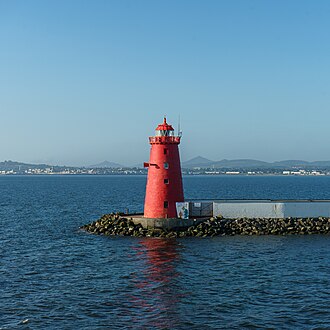
Poolbeg Lighthouse Sightings: History, Reports & How to Visit
Perched at the outer end of Dublin’s Great South Wall, Poolbeg Lighthouse is a bright red sentinel that draws walkers, photographers and storytellers alike. Its isolation, industrial backdrop and open sea exposure make it an ideal stage for atmospheric encounters — but the stories surrounding Poolbeg split into two clear strands: documented maritime history and a tangle of local folklore and eyewitness anecdotes. This guide separates the two, summarises common sighting reports, offers practical visiting and photography advice, and explains how joining a guided haunted or historical tour can improve both safety and understanding.
Book a Haunted Hidden Dublin walking tour
Documented history of Poolbeg Lighthouse and its setting
Documented history concerns verifiable facts about the lighthouse’s function and the shoreline that supports it. Poolbeg Lighthouse marks the entrance to Dublin Bay and serves as a navigational aid for vessels entering the Liffey. Its bright colour and position at the end of the Great South Wall make it a practical landmark for pilots and local sailors.
The Great South Wall itself is the product of long-term efforts to protect the River Liffey channel from silting and to guide shipping safely into Dublin Port. The wall and associated harbour works evolved over many years to adapt to changing maritime needs and industrial use along Dublin’s coastline.
From a documented standpoint the lighthouse is part of Dublin’s port infrastructure. It has been maintained and repainted as required, and its role is chiefly functional rather than ceremonial. Records maintained by harbour authorities concern its navigational light, maintenance schedules and any safety notices affecting public access.
Reported sightings and local folklore — clearly labelled as anecdote and legend
What follows is explicitly anecdotal: these accounts are local stories and personal reports rather than official records.
Common local tales speak of figures seen on or near the wall after dark, a sense of being followed, or of lights moving oddly around the lighthouse that cannot be immediately explained. Some storytellers describe hearing distant voices or footsteps on the wall when no one else is visible. Others report a lingering melancholy associated with the shoreline — a mood more than a discrete apparition.
Like many maritime settings, Poolbeg has attracted speculative connections to shipwrecks, lost sailors and working-class histories nearby. These tales are part of Dublin’s broader mythscape, which includes haunted pubs, literary landmarks and urban legends. If you are interested in related sites, our coverage of Haunted Pubs in Dublin: A Visitor’s Guide to Spirits, Stories & Where to Go and the Bram Stoker Locations in Dublin may be of interest.
Evaluating eyewitness accounts: patterns, explanations, and limits of verification
Eyewitness testimony is valuable but imperfect. Patterns emerge in reported Poolbeg sightings: many occur after dark, in poor weather or from a distance, and often involve an initial impression that is later reconsidered.
There are several plausible, non‑paranormal explanations that commonly account for sightings. Maritime lights, buoys and the reflections of ship navigation lamps can look like moving or hovering lights. Atmospheric conditions — mist, rain, and low cloud — can distort and multiply light sources. Fatigue, expectation and group dynamics also shape perception; when a group expects something unusual, ordinary stimuli can take on a more dramatic character.
Verification is further limited by the typically short, subjective nature of many reports. Few accounts include corroborating photos or multiple independent witnesses. That does not mean experiences are not real to the people who report them, only that the evidence rarely meets the standards required for definitive explanation.
When and where to look: best times, viewpoints, and seasonal considerations for sightings and photography
If you go with the aim of observing atmospheric phenomena or getting evocative photographs, time and weather matter. Golden hour and dusk soften industrial shapes and can produce compelling colour contrasts between the red lighthouse and the sky. Night photography emphasizes the lighthouse as a focal point but demands good equipment and awareness of safety.
Windy winter evenings produce dramatic seas and cloud formations, which some people interpret as making sightings more likely; alternatively, clear cold nights make distant lights crisper and easier to identify. For photography, a tripod, remote shutter or self-timer and spare batteries are useful — cold and wind drain power quickly.
Best viewpoints include the length of the Great South Wall itself and elevated spots along the nearby shoreline. Keep in mind that visibility from different angles will change how lights and silhouettes appear. If you plan to photograph at night, use long exposures to capture the ambience and bring warm clothing and waterproof gear.
Responsible visiting: safety, access, tides, and recommended routes
Poolbeg and the Great South Wall are exposed coastal areas. Safety must be the first priority.
Before you set out, check local weather forecasts and tide information. Strong winds, large waves and rain can make the wall slippery and dangerous. Wear sturdy footwear with good grip and consider high-visibility clothing if you will be there close to dusk or after dark. Carry a charged phone, torch and let someone know your plans.
Stay on designated walkways and obey all signage. Do not climb on the lighthouse or other structures. Beaches and rocks nearby can be treacherous at high tide; avoid turning your back on the sea and be cautious of sudden swell. If you have limited mobility, check access conditions in advance and avoid uneven sections of the wall.
Joining an organised tour is often the safest way to explore the shoreline after dark. Tours provide local knowledge about safe access, tide-related risks and the best viewing spots.
How a guided haunted or historical tour adds value
A knowledgeable guide brings three key benefits: credible historical context, interpretative frameworks for local stories, and practical safety management. Guides can point out how the lighthouse and wall fit into Dublin’s maritime history, explain why certain legends developed, and help separate documented facts from speculation.
A guided walk often mixes atmosphere with verifiable detail — the kind of approach we use on themed routes that link shoreline stories to inland curiosities like the Dark History of Temple Bar or the bookish hauntings collected in Marsh’s Library Ghost Stories. For practical research visits, our notes on Budgeting Field Research for Dublin Hauntings explain how to plan, what to bring and how to record observations responsibly.
To join a public walk, consider our regular offerings. For bespoke experiences or private groups, see our private group options designed for small parties and customised itineraries: Book a private group tour.
Further reading, local resources, and how to report or publish a sighting responsibly
If you encounter something you think is noteworthy, record basic facts first: location, time, direction of sighting, weather, and any environmental factors such as passing ships or lights. Take photographs or video if it’s safe to do so, and note whether anyone else saw the same thing. Avoid chasing an unknown object into unsafe areas.
When sharing your experience, be transparent about what you observed and what you infer. Distinguish clearly between direct observation and interpretation. Local history groups, maritime forums and dedicated communities are useful platforms for discussion — they can help identify natural explanations and preserve local memory without sensationalising events.
For more on responsible fieldwork logistics and costs, our budgeting guide is a practical starting point: Budgeting Field Research for Dublin Hauntings.
Book a Haunted Hidden Dublin walking tour
FAQ
Is Poolbeg Lighthouse actually haunted?
There is no verified, empirical evidence that Poolbeg Lighthouse is haunted. The site carries many anecdotal reports and local legends, which are meaningful as folklore and personal experience. Separately, the lighthouse has a clear documented role as a navigational aid and part of Dublin’s maritime infrastructure.
Can I walk out to Poolbeg Lighthouse and visit it up close?
Public walkways along the Great South Wall provide access to views of the lighthouse. However, access can be affected by weather, tides and local safety restrictions. Walk the designated route, obey signage, and do not attempt to climb the lighthouse or restricted structures.
When are sightings most likely to be reported?
Most reports come from after dark or in poor weather when visual conditions are ambiguous. Dusk, night and windy evenings are commonly cited in anecdotes, though these conditions also make natural explanations such as light reflections and reduced visibility more likely.
Do any guided tours include Poolbeg Lighthouse or its shoreline?
Yes. Some haunted and historical walking tours visit or pass viewpoints that include Poolbeg Lighthouse and the Great South Wall. Joining a guided tour is a recommended way to experience the area safely and with informed interpretation. To explore public tours, Book a Haunted Hidden Dublin walking tour, and for private groups see private group options.