
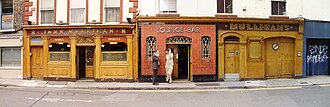
Old Dublin Pubs with Ghost Stories: A Visitor’s Guide
Dublin’s oldest pubs are living museums: low beams, worn flagstones and names that echo over centuries. Many carry stories where recorded events meet local imagination—murders, executions, lost patrons and unexplained footsteps. This guide curates genuinely old Dublin pubs where you can trace what is documented and what remains folklore, with practical advice for visitors who want an atmospheric, respectful experience.
Book our Haunted Pub Walking Tour — https://www.hiddendublintours.com/tours/
Why old pubs are at the heart of Dublin’s ghost stories
Pubs in Dublin were once hub buildings for a neighbourhood’s life and death: inns for travellers, meeting places for tradesmen, and sites for argument and arrest. Many have been continuously used for well over a century, so personal tragedies, crime and loss have accumulated alongside everyday hospitality. Low light and wood-paneled interiors amplify atmosphere, and oral culture—tellers passing stories to regulars—keeps legends alive.
That mix of continuous occupation, historical incident and storytelling culture is why pubs appear on walking tours, in folklore collections and in local memory. For those interested in the darker corners of Dublin’s past, pub visits are an accessible way to connect with both social history and retold stories.
How we distinguish documented history from folklore (our methodology)
At Haunted Hidden Dublin we separate three categories when we discuss pubs and hauntings:
- Documented history: facts supported by archival records, newspapers, court documents or contemporary accounts (we avoid inventing precise dates or claims without verification).
- Local folklore: stories passed down orally among neighbourhoods and pub regulars; these often contain repeating motifs but lack direct documentary evidence.
- Legend and embellishment: later additions, dramatic retellings or tourist-friendly versions that build on the folklore layer.
When we present a pub below we clearly label which elements are documented and which are local lore. If you want to deepen background reading into crime and punishment in Dublin, see our piece on Medieval Dublin Crime: A Walking Guide to Law, Punishments & Sites, and for executions-related context visit Executions in Dublin History: A Walking Guide to Sites & Stories.
A curated list of old Dublin pubs with ghost stories
The Brazen Head
Short history: The Brazen Head markets itself as one of Dublin’s oldest pubs and has long been associated with travellers, storytellers and live music. Its atmosphere and age make it a natural focus for tales.
Documented: The building’s long use as an inn and pub is part of its verifiable history; it features in guidebooks and business records over a long period.
Local folklore: Regulars and tour guides tell of a range of encounters—a lingering presence in certain snug rooms, and the feeling of being watched when the pub is quiet. These are anecdotal and belong to oral tradition rather than archival record.
Darkey Kelly’s (Fishamble Street area)
Short history: The pub takes its name from a notorious local figure. The site and name recall a story that has become part of Dublin’s darker folklore.
Documented: The woman associated with the tale is a historical figure linked to criminal allegations in the city. Records indicate she was tried and executed; the exact details around alleged crimes and subsequent retellings vary between sources.
Local folklore: Stories include accusations of witchcraft, hidden victims and a ghost who roams the cellar. Tales have been amplified over time for dramatic effect and tourism; separate fact from embellishment by consulting contemporary court records or guided talks that explain the evidence and the myths.
For related context on how violent episodes are treated in Dublin tours, you might find our article on Haunted Bars in Dublin: History, Legends and a Practical Pub‑Crawl Guide useful.
The Gravediggers (Lower Cemetery lane, Glasnevin)
Short history: Located beside Glasnevin Cemetery, this pub has long served graveyard visitors, clergy, and tradespeople connected to the cemetery’s upkeep.
Documented: Its proximity to the cemetery and role serving visitors is factual and well attested. The association with funerary culture naturally feeds ghost stories.
Local folklore: Regulars tell of footsteps when no one else is in the room, and occasional cold spots; such reports are anecdotal and dependent on personal experience.
The Bleeding Horse (Thomas Street area)
Short history: The pub occupies a building that has been part of Thomas Street’s streetscape for generations. It attracts storytellers drawn to its name and gritty past.
Documented: The pub’s long-standing role in the community is a verifiable part of its history; local archives contain records of the street’s commercial life.
Local folklore: The name has produced tales of a murder and restless spirits. Versions differ by teller; these elements are best regarded as folklore unless corroborated by primary sources.
The Stag’s Head
Short history: A classic Victorian-era pub interior and carved woodwork make the Stag’s Head a popular stop on historic pub walks.
Documented: Architectural and business histories document its Victorian redesign and role as a central city pub.
Local folklore: Some staff and regulars recount unexplained knocks and apparitions in upper rooms. These remain personal reports rather than documented incidents.
Practical visitor tips
Visiting old pubs with ghost stories is most enjoyable when you combine curiosity with common sense. Keep these tips in mind:
- Best times: evenings offer atmosphere, but weekends can be crowded. Weeknight visits often give you more quiet time to listen to stories from staff or regulars.
- Reservations: for larger groups or if you want a specific table, call ahead. Popular historic pubs can be busy, especially during live music nights.
- Seating advice: ask for a corner or snug if you want a cozier experience; these spots often carry the stories. Be mindful you are sharing a working business space.
- Photography: low-light photos are atmospheric but use discretion—avoid flash during performances and respect other patrons’ privacy. If you want to try night photography on a budget, see our guide: Budget Night Photography Kit for Dublin Ghost Hunting — Practical Gear & Tips.
Guided vs self-guided visits: what a Haunted Hidden Dublin tour includes
Self-guided pub visits are flexible and cheap: you can pick pubs, wander at your pace and follow your own interests. The downside is missing verified context and misinterpreting folklore as fact.
Our Haunted Hidden Dublin guided tours combine well-researched history with local storytelling. On a guided haunted pub walking tour we provide:
- Context that separates archival fact from oral lore and legend.
- Access to stories and anecdotes collected from long-term locals and public records.
- Logistics: timed route, entry suggestions, and local etiquette advice so you won’t disrupt businesses.
If you’re comparing options, our article on How Dublin Dark‑Tour Operators Price Historic Walks: What Visitors Should Know explains what is typically included and why guided walks have value beyond a simple pub crawl.
Respectful behaviour and research in historic pubs
Historic pubs are businesses and community spaces. A few principles keep visits enjoyable and sustainable:
- Ask permission before photographing staff or regulars.
- Carry cash and order food or drinks if you plan to linger—pubs survive on patronage.
- Keep noise levels reasonable, especially late at night.
- If you’re researching for publication, ask owners about records or photographs rather than making assumptions.
How to book: public tours and private group options
For first-time visitors and small groups we recommend a public Haunted Hidden Dublin walking tour; it’s an efficient way to see several historic pubs with expert context. Book our Haunted Pub Walking Tour — https://www.hiddendublintours.com/tours/
If you’re planning a private event, corporate evening or a bespoke group walk, we offer tailored private tours with flexible start times and custom routes. For private groups see our private group tour options.
We take care to balance atmosphere with responsibility—ensuring your group hears credible history, understands the difference between documentation and folklore, and respects the pubs that host us.
Book our Haunted Pub Walking Tour — https://www.hiddendublintours.com/tours/
FAQ
Are the ghost stories at Dublin pubs based on documented events or just folklore?
Most pub tales mix both. Buildings and some incidents are documented; the supernatural elements are usually folklore or personal reports. We clearly separate verified history from local stories on our tours and in this guide.
Can I visit these pubs at night, and do I need to book ahead?
Yes—many of the pubs are best experienced in the evening for atmosphere. Booking ahead is recommended for weekends and larger groups to secure seating and avoid disappointment.
Are haunted pub tours suitable for families or older visitors?
Yes. Our tours are paced for varied mobility levels and family groups. Content is sensitive to audiences; if you have specific accessibility needs or young children, tell us when booking so we can adapt the route.
How do I arrange a private haunted-pub walking tour for a group?
Contact our private bookings team via our group tours page to discuss dates, group size and any special requests: Private group tours — https://www.hiddendublintours.com/group-tours-dublin/. We will tailor a route, recommend pubs based on atmosphere and accessibility, and provide pricing options.