
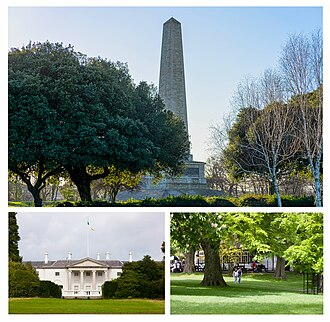
Iveagh Gardens at Dusk: Strange Encounters and Quiet Legends
Iveagh Gardens at Dusk: Strange Encounters and Quiet Legends
Tucked between Georgian terraces and the bustle of central Dublin, the Iveagh Gardens take on a different mood as daylight thins. At dusk the park’s sunken lawns, ornamental cascade and ivy-clad stonework recede into shadow and the ordinary details of the city soften. For visitors seeking atmosphere—whether history, quiet reflection, or tales of the uncanny—an evening visit can feel intimate and slightly otherworldly.
Book a Haunted Hidden Dublin walking tour to experience Iveagh Gardens at dusk
1. Why Iveagh Gardens feels different at dusk — atmosphere, layout and the elements that spark stories
The gardens are compact and layered: changes in elevation, hedged walks, and sheltered alcoves mean sightlines shorten quickly. At dusk this compression heightens senses—sound carries differently, silhouettes become sharper, and pockets of light from the surrounding streets frame sections of the park as if onstage.
Natural features—the tall trees, evergreen hedges, and the ornamental cascade—also create textures of shadow and reflection. The cascade’s stonework and the so-called “ruin” (a deliberately constructed folly) throw up shapes that can be read as architectural history or as suggestive forms that inspire storytelling.
2. A brief, verified snapshot of the gardens’ origins and notable features — separating record from rumour
Documented history (what we know)
The Iveagh Gardens were developed as a landscaped private garden before becoming a public amenity. The park’s character is defined by a sunken lawn framed by terraces, an ornamental cascade with carved stonework, and a landscaped “ruin” feature designed to evoke the picturesque. These elements remain in place today and are maintained as part of Dublin’s green heritage.
The gardens are a public space cared for in the context of a city centre park, and their design reflects tastes for Victorian and Edwardian landscape detail: formal lawns, clipped hedges, and carefully sited structures intended to evoke romantic scenery.
Rumour versus reality
Folklore sometimes misattributes dramatic events to the gardens—stories of secret societies or infamous crimes are common in oral retellings but lack documentary support. When assessing such claims, look for archival records, newspaper reporting, or reliable historical texts; many of the most enduring tales are the result of imaginative retelling rather than contemporary documentation.
3. Local legends and reported encounters — what people say they’ve seen or felt (labelled folklore and anecdote)
Folklore and anecdote
Accounts shared among locals and evening visitors include the sensation of being watched from the trees, footsteps where no one is visible, and fleeting glimpses of a figure near the cascade. Another common motif in these stories is a feeling of sudden cold or a sense of being followed along narrow paths.
These stories are typically anecdotal: personal impressions shared on walks, online forums, or between friends. They are valuable for understanding how people experience the space, but they are not verified evidence of paranormal activity.
What the anecdotes do not constitute
Individual reports don’t equate to documented investigations. There is a difference between a personal encounter and an authenticated, repeatable phenomenon. Many reported experiences can be explained by natural causes—changes in light, sound echoes, nocturnal animals, or the power of expectation when the mind is primed for mystery.
4. Where the stories come from — literary mentions, oral history and how urban settings create hauntings
Stories about urban green spaces often blend literary imagination, oral history, and the psychology of place. Parks near universities, old institutions and historic buildings—like the nearby precincts around Trinity—are fertile ground for tales that mingle fact and fiction. You’ll find related narratives in our pieces on Trinity College After-Dark and in accounts of darker civic sites such as Mountjoy Prison — Unexplained Echoes and Sightings.
Oral history—stories passed between neighbours, students, and guides—grows and adapts with each retelling. Urban settings amplify that process: architectural features suggest narratives, while the city’s rhythms at dusk encourage imagination to fill gaps in perception.
If you’re interested in other subterranean or marginal spaces where stories collect, explore accounts like Footsteps in the Dark: Disused Railway Tunnels Beneath Dublin or the neighbourhood narratives gathered in North City Laneways.
5. Practical tips for visiting at dusk: best routes, safety, photography and respect for a public garden
Best entry points are the main gates accessed from the surrounding streets—these are well-lit and commonly used by locals. A slow, clockwise walk around the sunken lawn and beneath the trees gives a good sense of the park’s layers without disturbing other visitors.
Safety: the gardens are a public space; be mindful of opening hours and local signage. After dark always travel with a companion if possible, keep your phone charged, and stick to paths. Avoid stepping onto lawns that are roped off or under maintenance.
Photography at dusk can be rewarding. Use a tripod or steady surface for long exposures, and be considerate of other people’s privacy—no intrusive flash where others are resting. Natural low light can render colours and textures beautifully, especially around the cascade.
Respect the space: the Iveagh Gardens is both a heritage site and a community amenity. Keep noise levels low, take any litter with you, and remember many people visit for quiet reflection.
6. What to expect on a guided dusk tour — how a guide frames history vs. legend and adds context
A guided dusk tour balances verifiable history and local folklore transparently. Guides will typically point out the park’s documented features—the cascade, sunken lawn, and ruin—then recount stories and personal anecdotes, clearly noting which are oral tradition and which are archival fact.
On a Haunted Hidden Dublin walk you can expect prompts that encourage visitors to notice sensory details: the smell of damp stone, the pattern of shadows, or the acoustic effects under certain trees. Guides often place legends in context by linking them to broader social histories—how the city’s institutions, streets and houses fed narrative traditions.
If you want to compare different Dublin after-dark experiences, our related guided routes include themes of institutional memory and survival—see, for instance, Victorian Workhouse Whispers.
7. Nearby evening options after your walk — places to warm up, continue the story and join a group tour
After a dusk visit to the gardens you’ll find plenty of evening options nearby: cafes and pubs where you can warm up and swap impressions, or quieter bookshops and galleries that often stay open into the evening. These spots are ideal for reflecting on what you saw and for comparing notes with fellow visitors.
To experience the gardens with a group or to extend the evening as part of a tailored itinerary, consider joining a scheduled tour. Book a Haunted Hidden Dublin walking tour to experience Iveagh Gardens at dusk. For private groups or corporate bookings, we also offer bespoke tours tailored to your schedule and interests: private group tours.
Whether you prefer to linger alone at the sunken lawn or to hear stories told by a guide, the Iveagh Gardens at dusk rewards slow attention. Expect history, local legend, and the occasional personal anecdote—each a different way of appreciating the park as a living part of Dublin’s urban story.
FAQ
Are the Iveagh Gardens open after dusk and can I visit on my own?
The gardens are a public park with opening hours set by the managing authority; these can change seasonally. You can visit on your own during opening hours, and many visitors do come in the early evening. If you plan to stay late, check local signage or the park’s official information to confirm access times and any temporary closures.
Have any paranormal encounters at Iveagh Gardens been documented or investigated?
Most accounts related to the gardens are anecdotal—personal experiences shared by visitors rather than documented, peer-reviewed investigations. While such reports are an important part of local folklore, they do not amount to verified evidence of paranormal activity. Guides aim to present anecdotes alongside documented history so visitors can draw their own conclusions.
Is it safe to visit the gardens at night and what precautions should I take?
Exercise standard urban-night precautions: travel in pairs if possible, stay on well-used paths, keep valuables secure, and be aware of opening hours. If you are uncertain about conditions after dark, consider joining a guided tour where a guide will ensure the route is appropriate for the time of day.
Do you offer guided dusk tours that include Iveagh Gardens?
Yes. We run themed evening walks that visit the Iveagh Gardens and nearby sites as part of a broader after-dark experience. To see available times and to reserve your place, Book a Haunted Hidden Dublin walking tour to experience Iveagh Gardens at dusk. For private groups and bespoke bookings, please visit our private groups page: private group tours.