
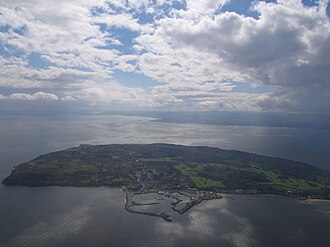
Howth Head combines Atlantic exposure, high cliffs and a long maritime history that makes it a natural stage for stories that blur the line between myth and memory. This guide gives visitors a practical coastal ghost trail for a 2–3 hour walk, separates folklore from verifiable history, and offers the safety, access and booking information you need to enjoy the headland with confidence.
Book the Haunted Hidden Dublin Howth Head coastal ghost trail
Why Howth Head?
Howth Head is a promontory on Dublin Bay that feels exposed to the ocean and intimate at the same time. The cliffs, squally light and panoramic views create an atmosphere that invites storytelling: shipwrecked sailors, lonely keepers and smuggling outriders all find a natural stage here.
The landscape itself encourages lingering. Walkers sense both the practical history of fishing and navigation and the imaginative space where oral traditions live. That tension—between lived experience and narrative invention—is why legends cling to Howth Head as surely as seaweed to the rocks.
Quick facts: getting there, seasons and trail difficulty
Howth village is reached easily from Dublin city by the DART commuter rail—the frequent service to Howth Station places you within a few minutes’ walk of the harbour and the start of the headland paths. Local buses and taxis also serve the village if you prefer road transport.
Best seasons: spring to autumn offer milder weather and longer daylight, but winter months bring dramatic skies and fewer people. Check tide times if you plan to explore lower coastal paths or rock platforms—some sections near the shore can be impacted by high spring tides and strong swell.
Trail difficulty: a flexible 2–3 hour route (described below) covers mixture of paved village paths, cliff walks and uneven grassy summits. Expect some steep sections, exposed cliffs and uneven footing. The route suits regular walkers with a moderate level of fitness.
Suggested Howth Head coastal ghost trail: a flexible 2–3 hour route
This suggested route starts in Howth village and loops across the peninsula to return via the coastal cliff paths. Timing is flexible—allow 2–3 hours to take in views and stories.
Start: Howth village & harbour (0–20 minutes)
Begin at the harbour to feel the town’s maritime pulse. The harbour is where fishing life, ports and the first rumours of the sea often began—an atmospheric spot for the opening notes of any coastal ghost trail.
Cliff paths toward the Baily (20–80 minutes)
Head up the cliff paths that rise south-east from the village. Follow the well-worn routes that contour the headland—these provide dramatic seaward views with room to pause and imagine the ships whose wakes became local tales.
Approach to Baily Lighthouse (80–120 minutes)
The Baily area, visible from several approach paths, is an evocative landmark. You won’t typically enter the lighthouse complex, but the approach and viewpoints around it are powerful for storytelling and photo stops.
Summit and return (120–150 minutes)
Make for the higher ridge of the headland to gain panorama across Dublin Bay and the Irish Sea. Return along the northerly side with views back to Howth village and the harbour. The final descent leads you back into town where cafés and pubs welcome recovery and reflection.
Route notes: take care near cliff edges, follow waymarked paths, and allow extra time for photographing or listening to local guides. If you plan to explore rock platforms near sea level, check tides and wave forecasts first.
Folklore & ghost stories you might hear on the headland
Local stories cluster around a handful of repeating themes. Presented here as folklore and oral tradition, they are part of the headland’s cultural texture rather than verified history.
Shipwreck apparitions
One common theme is phantom vessels and spectral crews that appear in fog or on stormy nights. These tales often served as communal ways to explain sudden disappearances at sea or to warn of dangerous conditions.
Lighthouse keepers and solitary figures
Stories of solitary lighthouse keepers—restless, watchful and sometimes seen as shadows on the headland—surface in local oral accounts. These narratives emphasise the isolation of keeping the light and the psychological strain of long, windy nights.
Smuggling and hidden caches
Smuggling tales are common along Ireland’s coasts. At Howth, folklore speaks of hidden caves, secret landing spots and moonlit exchanges. These stories reflect a historical memory of coastal trade that sometimes blurred into illicit activity.
Documented history that shaped local stories
It’s important to separate what we can verify from what we tell to entertain and remember. The headland’s documented history provides the factual backbone behind many legends.
Maritime heritage
Howth has long been part of Dublin’s maritime network: fishing, pilotage and ferrying were central to the village economy. Ships have been wrecked along the coast, and the real risk inherent in sea travel is the factual seed from which many ghost stories grow.
The lighthouse and coastal navigation
The Baily Lighthouse and other navigational aids are practical responses to the danger of the headland. The presence of these structures, and the people who maintained them, is a documented element that explains the prevalence of stories about keepers and lights.
Coastal life and notable events
Smuggling, rescue attempts and maritime incidents have been part of coastal life in and around Howth. While specific tales may be embellished in oral retellings, the broader context—dangerous seas, a working harbour and a community shaped around those hazards—is historic.
Safety, access & responsible visiting
Tides, cliffs and weather are your main concerns on Howth Head. Respect waymarked paths and avoid cliff edges, especially in wet or windy conditions. Children should be kept well back from unfenced drops.
Footwear: sturdy, closed shoes with good grip are recommended. Clothing: layers and windproofs are necessary—conditions can change quickly. Bring water, snacks and a charged phone; mobile reception is generally good but can be patchy in gullies.
Access & private land: most popular paths are public, but parts of the headland border private property. Look for signage and do not cross clearly marked private areas. Leave no trace and take all litter away with you.
Who the route suits: regular walkers, visitors comfortable with uneven ground and anyone prepared for exposed coastal conditions. If mobility is limited, remain around the village and harbour where terrain is gentler.
Joining a guided experience: what Haunted Hidden Dublin offers
A guided Haunted Hidden Dublin Howth Head coastal ghost trail blends atmosphere, storytelling and local knowledge with practical safety. Guided groups are led by experienced guides who separate folklore from documented history, point out safe viewpoints, and add context you’ll miss on your own.
Tours typically include local legends, maritime background, stops at key viewpoints and practical route guidance. Group options include public walks and private bookings for families, corporate groups or special interest groups.
Book the Haunted Hidden Dublin Howth Head coastal ghost trail
If you’re organising a private group, private guided options are available to tailor the route, timing and storytelling for your party’s interests and needs—see the private groups page for details.
Private group tours and tailored Howth experiences
Further reading and related tours
If you enjoy blending folklore with guided exploration, we run other themed walks across Dublin that balance legend and verifiable history. For tales at Malahide, see Malahide Castle Ghost Stories: History, Hauntings & Visitor Guide. For darker urban legends and night visits, try Kilmainham Gaol After-Dark Legends: Fact, Folklore & Night-Visit Guide or Iveagh Gardens at Dusk: Strange Encounters and Quiet Legends. For other hidden corridors of Dublin’s past, see Victorian Workhouse Whispers and the subterranean stories in Footsteps in the Dark: Disused Railway Tunnels Beneath Dublin.
Ready to walk with a guide who respects both the romantic and the factual? Book the Haunted Hidden Dublin Howth Head coastal ghost trail and choose the public schedule or a private option to suit your group.
FAQ
How long does the Howth Head coastal ghost trail take?
The suggested route takes 2–3 hours at a relaxed pace. Allow extra time for photos, weather delays or stops to listen to stories. Private or tailored walks can be shorter or longer depending on group needs.
Is the trail suitable for children and older walkers?
Parts of the headland are suitable for children and older walkers—especially the harbour, village and some lower coastal paths. However, cliff sections involve uneven ground and exposed edges. Use judgement, keep children close, and consider a shorter or guided version if mobility is a concern.
Can I do the ghost trail at night, and is it safe?
Some guided groups run dusk or evening walks, but solo night-walking on cliff paths is not recommended due to uneven terrain, sudden drops and rapidly changing weather. If you want an evening experience, book an organised night walk with an experienced guide who manages safety and route visibility.
Do I need to book a guided tour or can I follow the route myself?
You can follow the route independently using the description above, but a guided tour adds local knowledge, clear separation of folklore and documented history, and managed safety on exposed sections. To join a guided walk, Book the Haunted Hidden Dublin Howth Head coastal ghost trail, or enquire about private group options via the private groups page.