
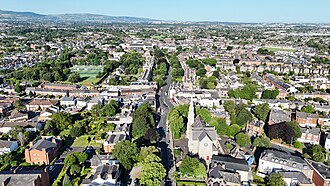
Haunted Liberties, Dublin: A Walking Guide to Ghosts, History & Where to Visit
The Liberties in Dublin is a neighbourhood where old streets, former markets and surviving medieval buildings give the city a layered, slightly uncanny feeling — especially as dusk falls and lamplight throws long shadows across cobbled lanes. This guide is a practical walking resource: it pairs documented, verifiable history of the area with clearly labelled folklore and ghost stories so you can decide what to believe while planning a safe, interesting walk through one of Dublin’s most atmospheric districts.
Why the Liberties feels haunted — a short history of the area
Documented history: The Liberties grew outside Dublin’s medieval walled core as a place with special privileges — markets, manufacturing and crafts concentrated here for centuries. The neighbourhood expanded around churches, markets and narrow lanes where shoemakers, brewers, leatherworkers and traders worked close to home. Some institutional buildings and churches date back many centuries and were focal points during times of crisis such as epidemics and food shortages.
Atmosphere: The combination of old building fabric, narrow alleys and a strong market tradition gives the Liberties a powerful sense of continuity. When people talk about it feeling “haunted,” they are often responding to that layered urban memory rather than a single famous apparition.
How to use this guide and practical information
Read the suggested loop first to get a sense of time and distance. The route below is walkable in 60–90 minutes depending on stops and pace. We mark sites with two labels: “Documented history” for verifiable facts and “Local folklore” or “Legend” where stories are oral tradition or unverified. That way you can separate what’s recorded from what’s part of the neighbourhood’s storytelling culture.
Maps & hours: Most streets are public and open 24 hours. Individual sites such as churches or libraries will have opening hours — check on arrival. Wear comfortable shoes for uneven ground and bring a small torch or use a phone light after dark.
Safety: The Liberties is generally safe for visitors. Use normal city precautions after dark: stay on lit streets, be mindful of traffic on busy roads like Thomas Street, and avoid narrow lanes alone late at night if you feel uneasy.
Suggested walking route: a 60–90 minute Haunted Liberties loop
Start point: St. Patrick’s precinct (near St. Patrick’s Cathedral). End point: Thomas Street markets area. The loop is flexible and can be shortened.
- St. Patrick’s precinct — Marsh’s Library — take in the precinct atmosphere.
- Walk down to St. Audoen’s Church and graveyard — explore documented tombs and inscriptions.
- Follow local lanes toward Thomas Street — pause at market corners and former market sites.
- Explore old pub-fronts and alleys around Thomas Street and the nearby lanes — listen for stories from locals.
- Finish with a short circuit through the area where old workshops once clustered, then return to your start or a nearby public transport stop.
Key stops in the Liberties (history vs legend)
St. Patrick’s precinct
Documented history: The area around St. Patrick’s Cathedral has been a religious focal point for centuries. The precinct includes burial sites and ecclesiastical buildings that tie the neighbourhood to Dublin’s medieval past.
Local folklore: Stories here usually involve clerical ghosts or mournful processions seen at dusk. These accounts are oral tradition — compelling, atmospheric, but not documented in parish records as supernatural events.
Marsh’s Library
Documented history: Marsh’s Library is one of Dublin’s oldest public libraries and preserves collections and bookcases from centuries past. Its small rooms and low light contribute to a powerful sense of age.
Local folklore: Visitors sometimes report a “presences” in quiet corners. These tales are part of visitor lore around old libraries worldwide. If you visit, you’ll see the original fittings that inspire such stories, but the claims should be understood as anecdotal.
St. Audoen’s Church and graveyard
Documented history: St. Audoen’s is one of the city’s surviving medieval parish churches. The adjacent graveyard contains worn gravestones and memorials that reveal social history — names, trades and family patterns of the Liberties across generations.
Legend: The graveyard is rich in local tales: apparitions of a lone mourner or sudden cold spots. These stories spring from human responses to tombstones, age and loss rather than verifiable evidence. The inscriptions and the layout of burials, however, are factual and worth reading closely.
Thomas Street & the old markets
Documented history: Thomas Street was a commercial spine for markets and craft workshops. Market trade, some of it dating back centuries, shaped the layout of lanes and yards still visible today.
Folklore: Folktales about market ghosts, a phantom trader or a vanished cart pushing itself along at night are common. These are local narratives that explain the ever-changing market landscape; they are entertaining but not recorded in civic documents.
Notable pubs and lanes
Documented history: Pubs and lanes were social centres where news and gossip circulated as much as beer. Many surviving façades and buildings retain architectural details that tell the story of working-class Dublin life.
Legend: Pubs often host the friendliest ghost stories — spectral regulars, clinking glasses with no patrons, or phantom footsteps upstairs. These make great anecdotes during a drink but should be read as oral tradition unless supported by records.
Separating fact from folklore: how local stories developed
How stories form: In a dense urban area like the Liberties, ordinary historical events — epidemics, sudden deaths, riots, closures of businesses — create emotional memories. These memories get retold and dramatised over generations and become folklore.
What’s documented: Property records, church records and municipal archives confirm things like parish boundaries, market licences and building changes. If a story claims a specific event (a death, an execution, a fire), ask whether it’s found in a parish register, newspaper archive or civic record.
How we label things in this guide: Whenever a claim is oral or anecdotal we label it “local folklore” or “legend.” When there’s a surviving document or physical record we call it “documented history.” This explicit labelling lets you decide how you want to experience each stop.
Visitor tips: best times, photography, accessibility and safety
Best times: Early evening gives the right atmosphere without complete darkness. Weekday mid-afternoons are quieter if you prefer to read grave inscriptions and interiors without crowds.
Photography: Exterior photography is fine; interiors may have restrictions (for example in libraries or churches). Use a small tripod discreetly and avoid flash in sensitive interiors. Respect signs and any requests from staff.
Accessibility: Some stretches of the Liberties have cobbles, steps and narrow lanes. Parts of the route are accessible but expect uneven surfaces. Plan a route that avoids alleys if you require step-free access. Always phone ahead to confirm access at specific sites.
Practicalities: Wear sensible shoes, bring a coat for Irish weather, and give yourself extra time if you plan to pop into museums, libraries or pubs that may have limited opening hours.
Booking a Haunted Hidden Dublin walk — what to expect and how to reserve
Our walking tours combine documented history, local folklore and atmospheric storytelling in a responsible way. Expect a 60–90 minute route, knowledgeable guides who label fact vs legend, and a mix of outdoor exploration with optional indoor stops if open. Groups are kept to a size that keeps the walk intimate and safe.
Group bookings and private tours: customisable after-hours options
We offer private and group tours for special events, corporate bookings and schools. Private tours can be tailored to focus more on history, folklore, or after-hours atmospheric routes. If you want a bespoke evening or daytime experience, contact us for details and availability.
If you need a private groups booking, see our private group options here: https://www.hiddendublintours.com/group-tours-dublin/
For context and other themed routes in the city, consider our related walks that explore Dublin’s darker history and folklore: the Dark History Tour Dublin, the Dark Side of Dublin City Centre guide, or our pieces on Dublin legends and folklore, Haunted Smithfield and Samhain traditions.
FAQ
Are the hauntings in the Liberties real or just stories?
Short answer: mostly stories and oral tradition. The Liberties has a deep, layered history that fuels ghost stories — many are entertaining and culturally important, but claims of supernatural events are usually anecdotal rather than documented. We always mark stories as “folklore” or “legend” when they are not supported by primary records.
How long is the Haunted Liberties walking route and is it suitable for families?
The standard loop is 60–90 minutes and is family-friendly. Stories can be tailored for younger listeners. Expect some uneven surfaces and short street crossings; supervise small children in busy spots and on cobbles.
Can I join a public tour or should I book a private group for Liberties sites?
Public tours are a great way to join other visitors and are typically scheduled regularly. If you have special interests, accessibility needs or want an after-hours experience, book a private tour and we’ll tailor the route and pacing to your group.
Are the streets and sites in the Liberties accessible for people with limited mobility?
Partial accessibility: many streets are accessible but there are cobbles, steps and narrow lanes. If you have limited mobility, contact us before booking so we can plan a route that avoids the most challenging surfaces and include accessible stops where possible.