
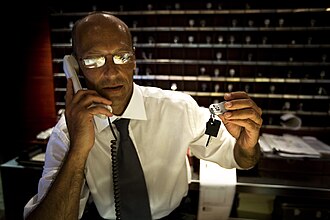
Dublin’s nights have an appetite for stories — the creak of a lane, the echo of an old church bell, an off‑beat remark at reception can turn a stay into a memory. For hotels eager to deepen guest experience and add incremental revenue, tasteful in‑house promotion of evening dark or ghost tours offers one of the most effective, low‑friction options. This guide gives practical, staff‑ready tactics for selling Dublin dark tours from the front desk to the guest room, while keeping presentation truthful, safe and respectful of both history and legend.
Why cross‑promoting Dublin dark tours works
Guests already expect local recommendations. Night tours satisfy curiosity, extend on‑property revenue indirectly (bars, transport, late‑night dining) and create guest stories that lead to higher satisfaction scores and repeat bookings. For many visitors, a guided evening walk is a highlight of a short stay; for locals staying overnight or groups, it’s a curated experience they otherwise wouldn’t book on their own.
Cross‑promotion is also low cost. A few printed flyers, a trained concierge script, and a co‑branded bed‑and‑breakfast package can deliver measurable returns without heavy marketing spend. It’s effective whether your hotel is central or near a neighbourhood route — for example, guests interested in intimate neighbourhood tales might later enjoy pages like Ranelagh Uncanny House Legends, while harbourside guests will respond to Dún Laoghaire Harbour Shipwreck Folklore references.
Front‑desk & concierge playbook
Quick scripts that convert
Concise, confident recommendations work best. Use short, permission‑based lines: “If you enjoy history with a twist, we partner with Haunted Hidden Dublin for a 90‑minute evening walk — I can check availability for tonight.” Offer options: “We have a family‑friendly route and a later adult‑oriented walk that covers darker local legends.”
Timing cues and soft upsells
Timing is everything. Mention tours during check‑in, in the evening briefing, and when guests ask about nightlife. Upsell gently by pairing the tour with a pre‑tour drink voucher or a late breakfast. Example: “Would you like a 10% dining voucher to use before your walk? It pairs well with the 8pm departure.”
Handling common objections
Guests worry about safety, weather and appropriateness. Keep responses short: “Guides stay on well‑lit routes, tours run in small groups and we can arrange transport back if needed.” If a guest asks for more sober or historically focused content, offer a route or time that emphasizes documented history over folklore.
In‑room and digital touchpoints
Make the booking path frictionless: place a one‑page flyer on the welcome tray, a QR code on the bedside table linking to a booking page, and a short blurb in the room directory. For properties with smart TVs, add the tour’s promotional video in the “Local Attractions” channel so guests can watch in‑room.
Pre‑arrival emails are highly effective. Send a targeted email 48–24 hours before arrival with segmented offers: couples get the evening walk plus late checkout; families receive the family‑friendly tour and breakfast bundle. For affiliate and referral programs, see Affiliate Partnerships for Dublin Ghost‑Walk Referrals — it’s an easy way to formalize commissions and tracking with third‑party sellers.
Co‑branded packages and promotions
Packages sell because they simplify choice. Sample offers that work in Dublin:
- Evening Walk + Full Irish Breakfast: add a fixed amount to room rate for a packaged price (e.g., €15–€25 per person above rack, depending on breakfast cost).
- Late Check‑Out + Night Tour: promote to guests arriving late who want a memorable evening and a relaxed morning.
- Family Twilight Walk: earlier departure, milder content, discounted child rate or free under‑12 entry.
- Adult‑Only “After Dark” Experience: include a pre‑tour drinks voucher or post‑tour nightcap; price as a premium add‑on.
Pricing tips: bundle at a perceived discount of 10–25% compared with booking components separately. If your hotel pays a per‑head commission to the tour operator, build that into the package margin rather than absorbing it.
On‑site events and logistics
Hosting a pre‑ or post‑tour meetup in your lobby or bar builds atmosphere and improves conversions. A dedicated sign‑in point for the tour reduces confusion; make the meeting point visible on printed materials and in your digital confirmations. If the tour starts off‑site, offer a short shuttle if the first mile is poorly lit or requires public transport.
Accessibility and logistics matter. Communicate clearly about route surfaces, steps, and distances. Maintain an accessible alternative or provide contacts for mobility assistance. Confirm weather‑related contingency plans and a clear cancellation policy at the time of booking so guests know what to expect.
Training staff to present stories responsibly
Responsible storytelling protects your reputation. Train staff to distinguish three categories when they promote tours:
- Documented history: Verifiable facts backed by records — dates, architects, documented events and citations. When presenting these, keep language factual and cite the source where practical.
- Folklore: Local oral traditions or recurring stories shaped by cultural memory. Label these as community tales or commonly told stories — they enrich the experience but aren’t proof.
- Legend: Dramatic narratives with little or no documentary evidence, often embellished over time. Use legend for atmosphere, but avoid implying it is factual.
In practice, a concierge might say: “This is a well‑documented event from the 18th century,” or “That story is a local legend passed down here — people enjoy it for the atmosphere rather than historical proof.” Point guests toward further reading for the curious: for example, some guests will appreciate a daytime follow‑up at sites such as Casino at Marino or St Audoen’s Church to see the historical side for themselves.
Operational considerations
Integrate bookings into your PMS or reservations workflow where possible. Simple methods include a dedicated tour reservation log at reception, a pre‑paid option in the booking engine, or an API/affiliate link if your operator supports it. For group reservations, centralize communication: confirm headcount, dietary needs for any included catering, and the lead guest’s phone number.
Cancellation and liability: ensure the tour operator provides proof of public liability insurance and clear cancellation policies. Include a short liability statement in the hotel’s tour booking confirmation indicating that guests participate at their own risk and linking to the tour operator’s terms.
Measure success by tracking: number of bookings made through reception, package uptake rates, incremental revenue per occupied room, and guest satisfaction scores post‑tour. A monthly spreadsheet or a simple dashboard with referral codes will show what’s working and where to optimize.
For neighbours and themed routes, suggest guests explore linked content to enrich their experience — whether they’re intrigued by Ranelagh’s uncanny houses or curious about seaside shipwreck folklore at Dún Laoghaire Harbour.
Offer Haunted Hidden Dublin tours to your guests — learn about group and public bookings
Final practical notes
Keep promotions subtle and authentic: tasteful signage, a friendly front‑desk mention, and clear materials are more persuasive than sensationalist posters. Avoid promising supernatural proof; instead, sell the story, atmosphere and guided context. Where appropriate, co‑host events with the tour operator — a private pre‑tour drinks reception or a themed lecture — to increase perceived value and revenue.
For hotels frequently hosting groups, a private groups option simplifies logistics and can be promoted as a bespoke experience. Consider a secondary partnership path for direct group bookings via the private groups page when handling larger parties or bespoke itineraries.
Offer Haunted Hidden Dublin tours to your guests — learn about group and public bookings • Plan private group bookings with Haunted Hidden Dublin
FAQ
How can a hotel practically integrate tour bookings into its front‑desk workflow?
Start simple: keep a printed booking log and a single point of contact (reception or concierge). Provide staff with a quick‑reference sheet listing departure times, prices and meeting points. If you use a booking engine, include the tour as an add‑on on your confirmation page or pre‑arrival email. Track bookings with a referral code so you can measure conversions.
What are reasonable co‑branded package ideas and how should hotels price them?
Popular packages pair the evening tour with breakfast, a pre‑tour drink voucher or late checkout. Price them as a bundle that appears to save the guest 10–25% versus booking components separately. Account for any commission paid to the tour operator when setting margins.
How should staff present haunted stories to guests without mixing legend and fact?
Train staff to label content: use “documented history,” “local folklore” or “legend” as part of the script. Offer factual context for guests who want it, and emphasize that legends are culturally valuable even when not fully provable. Encourage staff to suggest daytime heritage visits for guests seeking the historical record.
What safety, liability or scheduling issues should hotels plan for when promoting night tours?
Confirm that the operator carries public liability insurance and has clear cancellation and severe‑weather policies. Communicate route accessibility, distances and footwear recommendations. If possible, offer transport for poorly lit or distant starting points and collect emergency contact details at booking to facilitate quick communication if schedules change.