
Dark History Around Christ Church Dublin: A Walking Guide
Dark History Around Christ Church Dublin: A Walking Guide
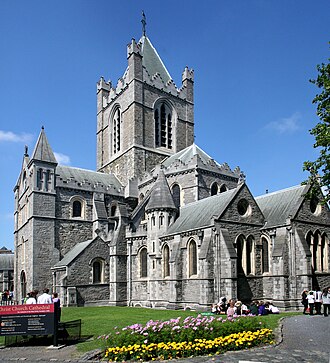
Christ Church Cathedral sits at the heart of Dublin’s oldest quarter, a place where sacred rites, civic authority and daily commerce overlapped for centuries. The streets radiating from the cathedral—market lanes, guild houses and narrow alleys—preserve traces of burials, punishments and stories that grew out of real events. This guide traces the documented dark history clustered around Christ Church, separates archival and archaeological evidence from folklore, and points you to the surviving places you can visit today.
Book a Hidden Dublin dark history walking tour to join a live guide for context, safe navigation of narrow lanes, and storytelling that distinguishes fact from legend.
Why Christ Church matters: centre of Dublin’s medieval civic and ecclesiastical life
For much of Dublin’s early history the cathedral was more than a church: it was a focal point for administration, charity, trade and public order. Bishops and civic leaders met nearby, and markets and guilds clustered on the streets that flowed out from the cathedral precincts. That concentration of power and population meant that the area was also the stage for punishments, burials and civic displays—events that left both physical traces and a long afterlife in local memory.
The cathedral crypt and burials: what archaeology and records tell us (versus legend)
Documented: Christ Church’s crypt and the ground beneath the cathedral have long been places of burial and commemoration. Archival records and the cathedral’s own accounts note interments of clergy, benefactors and others connected to the church, and archaeological work in old cathedral precincts has identified layers of medieval activity beneath street level.
Folklore and legend: Over the years those buried underfoot became the subject of more colourful stories—hidden chambers full of bones, forgotten mass graves, or relics associated with saints. These narratives are part of the cathedral’s cultural fabric, but they should be treated separately from what the records and archaeological reports actually document.
What visitors can expect: The cathedral crypt and the immediate precinct convey a sense of layered history—stonework, tomb-chests and memorials that testify to centuries of liturgical practice and burial. These are tangible, documented traces; tales of secret vaults stuffed with bodies tend to be embellishment rather than archival fact.
Execution, punishment and public order: documented sites and civic practices around the cathedral
Documented: The streets around Christ Church were public spaces where civic punishments and displays sometimes occurred. Marketplaces near the cathedral served as a forum for proclamations, punishments and civic demonstrations. Records from city governance describe the use of public shaming, fines and the removal of offenders to maintain order in dense urban quarters.
Distinguishing fact from fiction: Popular imagination often turns those civic measures into lurid scenes of constant executions outside the cathedral gates. While capital punishments did occur in and around the city, the routine forms of punishment most commonly recorded include pillorying, public whippings and the display of confiscated goods—practices tied to the civic life that clustered at Christ Church.
Neighbouring streets and hidden corners: Cook Street, the old markets and traces of a grimmer past
Cook Street and the adjacent lanes were historically busy with trade—meat markets, tanneries and small workshops. The functional necessities of those trades—animal waste, butchers’ by-products and crowded tenements—contributed to a harsher urban environment than modern visitors might expect.
Visible traces: Look for narrow alleys, old stonework and the rhythm of buildings that betray medieval street patterns. These physical features are the most reliable indicators of the area’s past. Many grim stories set in these lanes are local colour layered onto the real everyday hardships of urban life in earlier centuries.
For further reading on nearby haunted streets and markets, consider guides that explore the wider area and its stories, such as our walk through the Liberties or the broader dark-history routes: Haunted Liberties, Dublin, Dark History Tour Dublin and Dark Side of Dublin City Centre.
Ghost stories and folklore: popular tales, their origins and how they differ from the record
The cathedral and its precincts are rich in stories: apparitions in the choir, phantom processions in the lanes, or spectral figures tied to notorious events. These tales often draw on the sensory landscape—echoing vaults, dim candlelight and cramped streets—to create atmosphere.
Origins and evolution: Many ghost stories likely began as community attempts to explain unmarked graves, sudden deaths or the unsettling remains of the past visible in the fabric of buildings. Over decades these explanations accumulate embellishment. Unlike archival records, folklore is mutable: it changes with each teller and reflects cultural anxieties as much as historical events.
How we separate them: A careful walking guide distinguishes between what is recorded (burial registers, civic ordinances, archaeological strata) and what is passed down orally. Both are valuable: one gives us the skeleton of the past, the other its living atmosphere. If you enjoy the folkloric stream, our pieces on local legends expand on this territory—see Dublin Legends and Folklore Off the Beaten Path.
Where to see surviving evidence today: accessible spots, what’s viewable and what’s private
Open to visitors: The cathedral precinct, the public square outside Christ Church and some internal spaces like the crypt are the primary places where visitors can see tangible evidence of the area’s history. Stonework, memorials and visible changes in ground level hint at older street lines and foundations.
Restricted or private areas: Parts of the cathedral’s archives, private chapels, and some ecclesiastical properties are not freely accessible. Archaeological deposits beneath modern pavement are frequently unexposed. Respecting these limits is important for both conservation and safety.
Guided access: Joining a guided tour is the most reliable way to learn where to look, how to read the material remains and where the best vantage points are for understanding the medieval urban fabric. For visitors interested in souvenirs and storytelling merchandise related to these walks, our guide to mementos is a useful companion: Merch Ideas for Dublin Ghost Tours.
Visitor tips and responsible exploration: best times, safety, and respecting heritage
Best times: Early morning or late afternoon offer calmer streets and softer light for photography. Weekday visits outside school holidays are usually quieter. If you plan to visit inside the cathedral, check opening times and any special services that may limit access.
Safety and respect: The lanes around Christ Church are narrow and can be uneven—wear sensible shoes and watch for vehicle deliveries in restricted streets. Many sites are places of worship or private property; behave respectfully, keep voices low inside sacred spaces, and never attempt to enter barred or clearly private areas.
Responsible curiosity: When visiting burial sites and memorials, treat human remains and commemorative objects with dignity. Photography rules sometimes apply inside ecclesiastical buildings—look for notices and ask staff if in doubt.
Why join a guided Hidden Dublin tour: added insights, access and storytelling you won’t get solo
Context matters. A guided Hidden Dublin tour frames what you see within civic, ecclesiastical and urban history so the fragments in stone and street begin to make sense. Guides can point out subtle features—mason’s marks, patched walls, surviving foundations—and separate documented facts from later embellishment. The company’s specialty is to walk the line between credible history and the atmospheric tales that have grown up around it.
Practical advantages: Tours offer safe, structured routes through narrow lanes, local knowledge of opening times, and the chance to ask questions. For visitors coming as a private group—school parties, researchers or special interest clubs—Hidden Dublin can arrange tailored group visits that focus on Christ Church’s darker strands of history. Learn more or enquire about group options here: Book private or group tours.
Ready to explore the cathedral precinct with an informed guide? Book a Hidden Dublin dark history walking tour for a safe, illuminating walk that separates documented history from legend and brings the past to life.
FAQ
Is the crypt at Christ Church open to visitors and what should I expect to see?
The cathedral crypt is among the most visited internal spaces and is generally open to the public during visiting hours. Expect to see stonework, memorials and architectural features that reflect the building’s long liturgical history. Check the cathedral’s signage or a guided tour for the latest access information and any temporary restrictions.
Are the ghost stories around Christ Church historically documented or just folklore?
Many ghost stories are folklore—oral traditions that developed over generations and are not documented in official records. That said, they often grow from real conditions: unmarked burials, sudden deaths, or distressing civic events. A careful guide distinguishes between archival evidence and later storytelling, treating both as valuable but different kinds of historical material.
How long is a typical dark history walking tour that covers Christ Church and nearby sites?
Tour length varies by operator and focus. Hidden Dublin’s public walks that include Christ Church and adjacent streets are designed to fit a comfortable walking pace and include time for explanation—most last around one to two hours, depending on stops and audience questions. Private or extended tours can be tailored for longer durations.
Can Hidden Dublin arrange private or group tours focused on Christ Church’s dark history?
Yes. Hidden Dublin offers private and group bookings with tailored content and routes to suit research groups, schools, or private parties. For enquiries and bookings, use the private groups page to discuss your needs: Book private or group tours.