
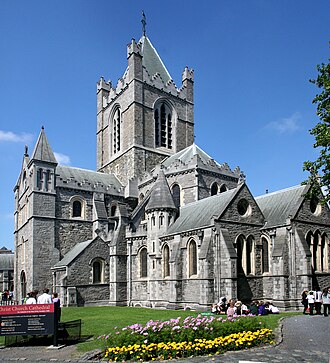
Christ Church Cathedral is one of Dublin’s most visited historic buildings, and its medieval crypt is often the part that captures the imagination: low, stone-lined, full of old tombs and narrow passageways. Visitors arrive expecting history, mystery, or sometimes outright ghosts. This guide separates what is documented from what is folklore, evaluates the strength of haunting claims, and offers practical advice for seeing the crypt responsibly — whether you’re on your own or joining a Haunted Hidden Dublin walking tour.
Quick overview: Christ Church Cathedral and its crypt — why visitors are drawn to it
The crypt beneath Christ Church is one of the largest of its kind in Britain and Ireland. Its dimly lit chambers, carved stone, and displays of medieval artifacts create an atmospheric setting that naturally invites stories of the past coming back to life. For many visitors, the attraction is twofold: the authentic historical fabric of the place and the stories — some sober, some sensational — that have grown up around it.
Book a Haunted Hidden Dublin walking tour to visit Christ Church and other haunted sites
Documented history: what the records and archaeology tell us about the crypt
There is solid, well-established history associated with Christ Church and its undercroft. The crypt served practical and liturgical purposes over centuries: as burial space, storage, and a foundation for the structures above. Archaeological work and the cathedral’s own records explain many of the visible features — tombs, effigies, and medieval masonry — and show layers of rebuilding and repair that reflect Dublin’s long urban history.
Important points from the documented record:
- The undercroft preserves funerary monuments and fragments that belonged to important civic and ecclesiastical figures; these are catalogued and interpreted by the cathedral.
- Architectural changes and repairs over centuries have produced the crypt’s current configuration; what you see is a patchwork of medieval fabric and later restoration.
- Many of the objects and inscriptions were moved, altered, or re-contextualised during restorations, which can affect how visitors interpret them today.
Reported hauntings and folklore: common stories, their origins, and how they spread
Stories about spectral figures, strange noises, and cold spots in the crypt are common in guidebooks, blogs, and walking-tour anecdotes. It’s useful to separate different kinds of claims so readers can judge their weight.
Typical legends (labelled as legend)
(Legend) Tales of monks, a weeping woman, or a hooded figure returning to the tombs at night are widespread. These stories are often dramatic and are repeated because they enhance the cathedral’s atmosphere; they do not typically rest on verifiable archival evidence.
Anecdotal eyewitness reports (labelled as anecdote)
(Anecdote) Visitors and tour guides sometimes report unexplained sounds, feelings of being watched, or brief glimpses of movement. Anecdotes can be compelling, but they are personal accounts that lack corroborating documentation and are susceptible to suggestion — especially inside a space already framed as haunted.
How folklore spreads
Stories multiply through repetition. A ghost story in a popular walking tour, a blog post, or a pub conversation can quickly become accepted local lore. Combine evocative architecture, dim lighting, and a desire for narrative, and a location becomes fertile ground for tall tales and affectionate legends.
Evaluating the evidence: eyewitness accounts, historical context, and why some claims persist
When evaluating haunt claims, consider three lenses: corroboration, context, and psychology.
Corroboration: most haunting claims about the crypt are single-source accounts or widely retold anecdotes. There are few — if any — rigorously documented, independently verified phenomena recorded in cathedral archives or by authorities.
Context: the crypt’s architecture, its tombs, and its long association with death and burial create a cultural frame that primes visitors to interpret ambiguous stimuli as supernatural. Historical events, such as plagues, sieges, or notable burials, add narrative weight even when direct links are speculative.
Psychology: expectation matters. People who arrive hoping to experience the eerie are more likely to notice drafts, creaks, or unusual sensations and attribute them to spirits. Lighting, acoustics, and the presence of tour groups all shape perception.
All that said, anecdotes are human experience and can be meaningful. They tell us less about spectral entities and more about how people relate to places that contain traces of many lives.
Visiting practicalities: opening times, ticketing, guided access to the crypt, accessibility and photography policy
Before visiting, check the cathedral’s official arrangements because hours and access can change with services, events, or conservation work. The crypt is a managed historic space with specific rules intended to protect fragile monuments and respect worship.
Ticketing and access: crypt entry is usually part of the cathedral visit; there may be a combined ticket or a separate charge for special tours. Guided access is often available, and joining a knowledgeable guide will add historical context and clarify which stories are evidenced and which are lore.
Accessibility: the crypt’s age means there are steps and low ceilings; access for visitors with mobility impairments is limited. If accessibility is a concern, contact the cathedral in advance to understand what accommodations may be possible.
Photography and filming: policies vary. Many historic religious sites restrict flash photography to protect artifacts and to maintain a respectful atmosphere. Always check signage or ask staff. On organised tours, guides will advise on photography etiquette. This is particularly important in a working cathedral where worshippers are present.
How to be respectful: etiquette in a working cathedral and tips for responsible ghost tourism
Christ Church is first and foremost a place of worship and a historic monument. Respectful visitor behaviour ensures the site survives for future generations and that both worship and interpretation can continue.
- Keep voices low and step aside for those who are praying or attending services.
- Follow guidance on photography and do not touch monuments or ropes and barriers.
- When sharing ghost stories, label them as legend or anecdote rather than fact; this preserves the cathedral’s dignity and historical accuracy.
- Support conservation: buying a ticket, making a donation, or purchasing a guidebook helps maintain the site.
Where to go next: nearby haunted churches and related stops to include on a Haunted Hidden Dublin walking tour
If the crypt leaves you wanting more dark history and atmospheric streets, there are several complementary stops within a short walk. Our Haunted Hidden Dublin routes weave Christ Church into broader narratives of the city’s past — from eerie alleyways to haunted pubs.
Suggested nearby experiences:
- Explore the darker corners of the Liberties on our Haunted Liberties walking guide, which connects social history and spectral tales: Haunted Liberties, Dublin: A Walking Guide to Ghosts, History & Where to Visit.
- Combine history and hospitality with a route that visits historic pubs and their own ghost stories: Haunted Pub Crawl Dublin: A Guided Walking Route Through Historic Pubs.
- Read more about other accessible haunted sites in the city in our practical guide: Haunted Places in Dublin You Can Visit: A Practical Guide.
- For a focused walk around Christ Church’s darker associations, see: Dark History Around Christ Church Dublin: A Walking Guide.
- To try an offbeat route mixing quirky stories and local lore, explore Unique Tours: Unique Tours in Dublin: Offbeat Haunted Walking Experiences.
Book a Haunted Hidden Dublin walking tour to visit Christ Church and other haunted sites — and if you’re planning a private group, consider arranging a tailored experience at our private groups page to explore the crypt and nearby haunted corners with a dedicated guide.
FAQ
Is Christ Church crypt really haunted?
No definitive, independently verified evidence proves the crypt is haunted. The site generates many personal anecdotes and legends — powerful for atmosphere but not equivalent to empirical proof. Guests should expect evocative history and compelling stories rather than scientific confirmation of ghosts.
Can I visit the crypt on my own or only with a guided tour?
Access arrangements can vary. The crypt is typically part of the public visit to Christ Church, but guided tours offer richer historical context and clarify which tales are legend and which are documented. Check current opening times and booking options before you go.
Are there particular times or seasons when ghost reports increase?
Perceptions of hauntings often increase during darker months or evening tours, when low light and colder air heighten sensations. Seasonal events and themed tours also encourage ghost-themed storytelling, which can amplify reports. There’s no objective seasonal spike in verified phenomena.
Is photography or filming allowed in the crypt?
Policy varies; many historic religious sites restrict flash photography and certain types of filming to protect artifacts and maintain decorum. Always follow on-site signage and staff guidance. On guided tours, ask your guide about photography rules before you shoot.