
Casino at Marino — Mysterious Visitor Tales, History & Visiting Tips
The Casino at Marino sits like a perfect little temple in a Dublin suburb: compact, classically proportioned, and widely admired by architects and visitors alike. Its isolation within a wooded walled garden, its façade of blind windows and carefully disguised staircases, and the intimacy of its interior have made it fertile ground for stories of mysterious visitors. This article looks at what the historical record actually says, collects the local tales and oral traditions around the Casino, separates what is documented from what is anecdote, and offers practical guidance so you can visit responsibly and with context.
Documented history and architecture: what records tell us
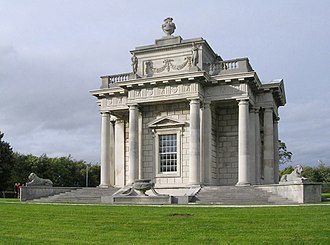
The Casino at Marino is a well-documented example of mid-18th century Irish neoclassicism. Commissioned by the 1st Earl of Charlemont and attributed to Sir William Chambers, the building is a small garden pavilion rather than a gambling house; the name “casino” in Italian originally meant a little house for leisure. Contemporary architectural records and subsequent conservation work emphasise the Casino’s meticulous proportions, classical detailing and ingenious interior layout.
From the outside the building appears to be a single, perfectly symmetrical temple. Close inspection and architectural plans show that the façade includes blind windows and trompe-l’œil devices: some elevations conceal actual rooms, while others mask staircases, light wells and service spaces. The interior contains a surprising number of small rooms, cleverly arranged to make the most of a compact footprint; much of the building’s fame rests on these clever spatial tricks.
Management and conservation of the site fall under state care, and official records focus on architectural fabric, restoration work and visitor access. The historical narrative emphasises design, patronage and material craft rather than any supernatural associations.
The tales themselves: catalogue of reported sightings and local oral traditions
Stories clustered around the Casino fall into several recurring types. These accounts are part of local oral tradition and tour-teller culture; they are best understood as folklore unless independently corroborated by documented evidence.
- Late-night figure on the lawn (Folklore). Several stories describe walkers or neighbours glimpsing a solitary figure near the Casino at dusk or after dark. The figure is often described as indistinct — a shadow or silhouette — and vanishes when approached. These accounts circulate among local residents and night-time guides.
- Unexplained footsteps and doors (Anecdote/Folklore). Guides and visitors have reported hearing footsteps, muffled voices or the sound of a door closing when no one is recorded as being in the building. Such reports are common in small, empty historic buildings where sounds echo and the mind supplies explanation.
- Strange lights in an otherwise dark interior (Folklore). Tales of sudden pinpricks of light or a glow seen through a window are sometimes told. In many cases these can coincide with passing car headlights, reflections, or staff using internal lights during maintenance.
- Sensations of being watched (Folklore/Personal testimony). Less tangible are accounts of feeling observed or uncomfortable near the building at night. These are genuine experiences for those who report them but are inherently subjective and not verifiable by documentary means.
It’s important to note that many of these tales are told with the warmth of local storytelling rather than as claims of provable fact. They are part of a living oral landscape: stories change with each retelling, and neighbourhood folklore often borrows motifs from other Dublin sites and castle legends.
Separating folklore from evidence
When we separate folklore from evidence, two clear threads emerge. On the side of evidence, architectural drawings, estate correspondence and conservation reports give us a precise understanding of who built the Casino, why it was built, and how its deceptive façades function. These documents also track changes to the building over time and record human activities such as restoration works, vandalism or maintenance visits.
On the side of folklore, the mysterious visitor tales are largely anecdotal and oral. There appears to be no contemporary archival record that documents supernatural events connected with the Casino, nor are there reliable police or newspaper records that corroborate a pattern of unexplained phenomena at the site. That does not mean stories are worthless—quite the opposite. Folklore tells us about local perceptions, the way people imagine and inhabit places, and why certain buildings become charged with atmosphere.
Practical explanations are often available: night-time noises can be due to temperature changes, wildlife, the settling of old materials, or nearby traffic. Perception plays a role too—an isolated structure with classical lines invites projection. Urban legends, theatrical retellings and the popularity of ghost tours can amplify a single odd experience into a recurring motif.
Visiting today: opening times, access, photography, and conservation considerations
The Casino is typically open to the public during limited daytime hours, with interior access sometimes restricted to guided or timed visits. Because the building is small and fragile, visitor numbers inside are often controlled to protect finishes and the historic fabric. The site is managed under state conservation arrangements, and staff or signage will indicate any restrictions.
Photography is generally permitted in external areas; inside, rules can vary. Visitors should follow on-site guidance about flash photography, tripods and touching surfaces. Many of the interior features are delicate: avoid leaning on balustrades or handling plasterwork. If you plan to visit during a public holiday or a special event, check for temporary closures or guided tour arrangements.
Accessibility is limited by the nature of the building—there are tight stairways and small rooms that are unsuitable for those with reduced mobility. For the most up-to-date information on opening times and access, consult the official site that manages the property or local visitor information before setting out.
Best ways to experience the site after dark
Visiting the Casino after dark can heighten atmosphere, but it also calls for increased responsibility. The immediate neighbourhood is residential: keep noise low, avoid trespassing into private gardens, and respect parking restrictions. Stay on public footpaths and be mindful of residents who live close to the walled setting.
Guided evening walks are a safer and more informative way to experience the building at night. A structured walk provides context—history, architectural explanation and the folklore that has grown up around the site—while ensuring that visitors remain respectful and safe. If you join an evening tour bring a torch, wear visible clothing, and use sensible footwear for uneven pavements. For guidance on donations and respectful tipping on night walks, see our recommendations in Contactless Tips & Donation Best Practice for Dublin Night Walks.
How Haunted Hidden Dublin approaches the Casino on our tours
On Haunted Hidden Dublin walks we treat the Casino with the balance it deserves: admiration for its architecture, curiosity about the tales that cling to it, and a clear distinction between documented history and local story. Expect a short history of the building, an explanation of its architectural tricks, and a selection of the best-preserved local tales labelled as folklore. We do not sensationalise or claim evidentiary proof for the supernatural; instead, we use stories as a way to read social history and urban imagination.
We include the Casino on selected evening routes when access and local regulations allow. Our guides contextualise the site alongside other storied Dublin locations such as St Audoen’s Church and regional highlights like Rathfarnham Castle. To join a public evening tour or to browse our full schedule, please book online: Discover more mysterious Dublin spots — book a Haunted Hidden Dublin tour: https://www.hiddendublintours.com/tours/
If you’re organising a private group, themed outing or academic visit, we can tailor an experience that includes the Casino alongside sites such as Malahide Castle or a coastal ghost trail like the Howth Head coastal ghost trail. Contact us about private options here: https://www.hiddendublintours.com/group-tours-dublin/
Nearby attractions and practical tips for planning a themed Dublin evening
Pair a Casino visit with other atmospheric stops to create a rounded evening. St Audoen’s Church offers medieval layers and evening ambience; Rathfarnham Castle provides a castle context with its own set of tales; coastal trips to Howth reveal a different kind of folklore tied to sea and cliffs; and Malahide Castle is a longer trip that rewards with layered history and garden walks.
Practical tips: plan a short route to limit walking time in poor weather, bring a small torch, wear non-slip footwear, and check public transport timetables late at night. If your plan includes donations for guides, consider using contactless methods and follow our suggested best practices to keep exchanges safe and simple: see Contactless Tips & Donation Best Practice for Dublin Night Walks.
To explore the Casino at Marino with context and care, book a guided evening or daytime slot. We aim to combine atmosphere with respect for neighbours and heritage so you can appreciate both the building’s beauty and the stories that surround it. Discover more mysterious Dublin spots — book a Haunted Hidden Dublin tour: https://www.hiddendublintours.com/tours/
FAQ
Is the Casino at Marino actually haunted or are the stories just folklore?
There is no documentary evidence that proves the Casino is haunted. The tales that circulate are mainly local folklore and personal anecdotes. They are valuable for what they reveal about local imagination and the atmosphere the building inspires, but they remain unverified stories rather than established fact.
Can I visit the Casino at Marino at night or on a guided night tour?
Open access at night is generally limited because the site is fragile and located in a residential area. Guided evening walks occasionally include the Casino as part of a controlled route. Check availability and book a relevant guided tour to experience the atmosphere safely and respectfully.
Are there access restrictions, tickets or photography rules I should know about?
Yes. The Casino is often open only during restricted hours with timed or guided visits to protect the interior. Photography rules can vary: external photography is commonly allowed, while interior rules are set by staff or signage. Always follow on-site guidance, avoid touching delicate surfaces, and respect staff instructions.
How can I include the Casino at Marino on a private group or themed walking tour?
We offer private and themed tours that can be tailored to include the Casino when scheduling and local access allow. For private group bookings and bespoke itineraries, please get in touch via our private groups booking page: https://www.hiddendublintours.com/group-tours-dublin/