
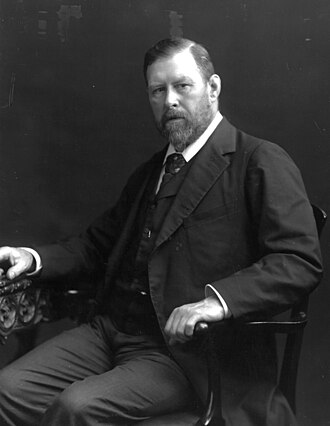
For anyone drawn to the fog-bound corners of Victorian Dublin, walking Bram Stoker’s Dublin at night is part literary pilgrimage, part atmospheric theatre. This 90‑minute small‑group route mixes a core of documented Stoker associations with carefully chosen Victorian streets, libraries and crypts that evoke the Dublin Stoker knew. The plan below is practical and repeatable for guides: timed legs, clear notes on what’s documented and what’s local legend, storytelling hooks, accessibility flags and sensible upsells so the walk can be a sustainable product.
Documented facts vs local legend: reading Stoker’s Dublin
When presenting Stoker material to a paying group, be explicit about the difference between documented facts and later associations. “Documented” in this guide means there is clear contemporary evidence—official records, Stoker’s own letters or well‑established biographies—linking him to a place or activity in Dublin. “Traditional/legend” covers sites where local lore, later plaques, or atmospheric associations link Stoker’s name to a building or street, even if direct proof is thin or absent.
Keep the tone both atmospheric and honest: let the myths enhance the mood, but flag them as later additions so you preserve credibility with history‑minded guests.
The 90‑minute Bram Stoker group route — overview
Start: Trinity College Front Gate (central meeting point) — End: Ha’penny Bridge or nearby pub. Total distance: ~2–2.5 km (flat city centre walking). Best time: dusk to early night for mood and photos; avoid the busiest weekend hours if you want quieter streets and better storytelling space.
Timing overview (90 minutes total): meet & intro 5 minutes; Trinity College stop 10 minutes; walk to Christ Church 10 minutes + stop 12 minutes; Marsh’s Library stop 10 minutes; short walk to Dublin Castle 8 minutes + stop 10 minutes; Temple Bar atmospheric stop 10 minutes; riverside/Ha’penny Bridge close 15 minutes for Q&A and booking upsell.
Stop‑by‑stop route with guide notes
1. Trinity College Front Gate — documented
Historical context: Bram Stoker was a student at Trinity College; the college shaped his early intellectual life and networks. Use the impressive gate and cobbles to introduce the Victorian Dublin he entered as a young man.
What to say: Briefly situate Stoker at Trinity—student life, the literary circles of 19th‑century Dublin—and how the academic environment feeds Gothic imagination.
Photo spot: face the campanile or capture the cobbled entrance with your group in silhouette.
2. Christ Church Cathedral precinct — traditional
Historical context: The cathedral and its medieval fabric evoke the older Dublin that circulates in Gothic imagery. While direct Stoker links are later traditions, the crypt and cathedral interior make a vivid theatrical setting.
What to say: Read a short atmospheric passage or a local legend about crypts and subterranean Dublin; then clarify which claims are traditional and reference the cathedral’s real medieval history.
Photo spot: the cathedral’s exterior at dusk or the timbered hallways nearby.
3. Marsh’s Library — traditional (excellent atmospheric fit)
Historical context: A preserved 18th‑century reading room that evokes the solitary scholar trope. There’s no strong evidence Stoker researched here, but the site’s bookish ambience is perfect for stories about readers, rare books and the slow creep of ideas.
What to say: Use one of the library’s ghostly anecdotes as a storytelling hook, but note the distinction between lore and verified Stoker activity. For more visitor tips and context, consider linking guests to Marsh’s Library ghost stories afterwards.
Photo spot: the narrow reading room windows and wooden desks.
Marsh’s Library Ghost Stories: Legends, History & Visitor Tips
4. Dublin Castle exterior — traditional
Historical context: Dublin Castle represents the administrative Dublin of Stoker’s youth—the power centre that framed public life. Specific Stoker ties here are mostly circumstantial, but the buildings provide civic contrast to the gothic lanes.
What to say: Use the castle to discuss Dublin’s institutional backdrop and why writers respond to both grandeur and institutional decay.
Photo spot: the castle courtyard gates or the castle frontage at dusk.
5. Temple Bar lanes — traditional (atmospheric; caution on crowds)
Historical context: Temple Bar’s narrow lanes preserve the cramped, lively character of Victorian Dublin’s social quarter. Many later tours link Stoker to this area via legend rather than records.
What to say: Tell a compact tale of urban life—crime, poverty and ghost stories—and then steer guests to the difference between romantic legend and archival proof. For background on Temple Bar’s darker histories, point guests to the Dark History of Temple Bar piece.
Photo spot: a single lane with warm pub light and wet cobbles.
Dark History of Temple Bar: Crime, Poverty & Ghostly Legends
6. Ha’penny Bridge / Liffey riverside — traditional (good closing spot)
Historical context: The river is the city’s spine and a handy place to wrap up. It’s ideal for final reflections—urban transitions, modern Dublin and Stoker’s legacy.
What to say: Offer a concise comparison between Stoker’s Dublin and the image most tourists carry; invite questions and direct people to the booking options for extended or private tours.
Photo spot: bridge arch framing the Liffey at night.
Optional extension: Clontarf (Bram Stoker birthplace area) — documented/optional
Historical context: Stoker was born in Dublin and his family origins are associated with coastal districts north of the city centre. Visiting the Clontarf area is an optional private‑group add‑on that connects the walk to Stoker’s early life.
What to say: If you run this extension, make clear which commemorative markers are modern and which family details are documented. Recommend this for private bookings who want a more in‑depth, daylight visit.
Storytelling hooks & guiding tips for each stop
Keep lines short, sensory and repeatable. Use a single strong image per stop—for Trinity, a scholar bent over folios; for Christ Church, a candle guttering in a crypt; for Marsh’s Library, a whispered page turn. Always follow an atmospheric line with one sentence that roots the tale in either documented fact or local tradition.
Safe scares: use tone and pauses rather than shocks. Invite guests to imagine instead of asserting spectacle. For repeat tours, rotate short readings so regular customers hear fresh material.
Logistics for small‑group tours
Accessibility: the route is mostly flat in the city centre, but cobbles and narrow lanes at Temple Bar can be challenging for wheelchairs or mobility aids. Trinity and the riverside are the most accessible points. Offer an alternative shorter route on booking that avoids steep steps and tight alleys.
Permissions & insurance: you don’t generally need street performance permits for guided tours, but check local bylaws for amplified audio or larger groups. Carry public liability insurance and a simple first‑aid kit.
Weather & staging: have a nearby pub or covered venue booked for sudden rain (popular and commercially useful). Consider an indoor storytelling stop for heavy weather—Marsh’s Library or a sympathetic pub can work if you’ve arranged permission. Offer printed maps and a branded handout for paying guests.
Selling the walk: pricing, marketing and upsells
Pricing ideas: charge per person with a minimum guarantee for small private groups. Example: €12–€18 per person for public night walks; €120–€180 minimum for private 90‑minute groups. Adjust for peak season and special events.
Marketing copy (short): “Bram Stoker Locations in Dublin: a 90‑minute atmospheric walk through the streets and stories that shaped the author of Dracula. Small groups—rich storytelling—bookable nightly.”
Upsells and add‑ons: printed maps, limited‑edition night photography prints, post‑walk drinks in a licensed pub, or an extended private trip to Clontarf. For selling night‑photography prints and other guide income streams, see this practical guide for tours.
How to Sell Night‑Photography Prints from Dublin Ghost Walks: A Guide for Tour Guides
For private groups and corporate bookings, offer bespoke start times, quieter daytime versions, or curriculum‑style walks for schools. To arrange private bookings, use our private groups page.
Private-group bookings and bespoke Bram Stoker walks — arrange your time and price here
Links to deepen the route
For guides who want to expand stories and context, the following Haunted Hidden Dublin pieces are useful background reading and can be recommended to guests as follow‑up:
- Christ Church Crypt Ghost Stories: A Skeptic’s Guide to Legend and Tour Experience
- Hellfire Club Dublin History: Origins, Legends & Visitor Guide
FAQ
How long is the Bram Stoker walking route and how much walking is involved?
The route as described runs about 90 minutes and covers roughly 2–2.5 km on mainly flat city centre streets. Expect some cobbled sections and narrow lanes—plan for a steady but comfortable pace.
Which stops on this route are actually linked to Bram Stoker and which are later traditions?
Trinity College is a documented Stoker association—he studied there. Several other stops (Christ Church, Marsh’s Library, Dublin Castle, Temple Bar) are chosen for atmosphere and later traditional associations rather than direct archival proof; these are clearly labelled in the route so guests know what is documented and what is folklore.
Is the route suitable for children or people with reduced mobility?
Children can enjoy the route, but you should tailor language and pacing. For reduced mobility, the route is partially accessible—Trinity and the riverside are easiest. Avoid tight Temple Bar alleys or offer a short accessible variant; always ask about mobility needs at booking.
Can I book this as a private group tour for a specific time?
Yes. Private bookings can include time changes, an optional Clontarf extension to see Stoker‑linked sites, or an indoor contingency. To arrange private groups, use the dedicated page for private tours.