
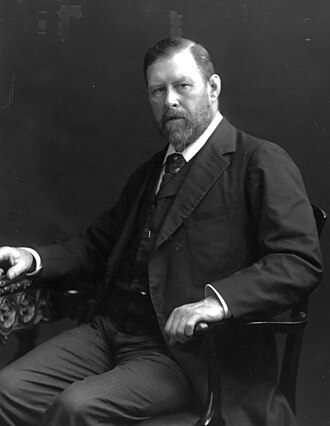
Bram Stoker Dublin: A Visitor’s Guide to Places That Inspired Dracula
Bram Stoker’s name is synonymous with Dracula, but the author’s Dublin roots are less often treated as an on-the-ground visitor experience. This guide explains why “bram stoker dublin” matters today, separates what is documented from what is later folklore, and gives a practical walking route for visitors who want to see the streets, churches and neighbourhoods that helped shape the atmosphere in which Stoker grew up and wrote.
Book a Bram Stoker walking tour in Dublin with Haunted Hidden Dublin: https://www.hiddendublintours.com/tours/
Why Bram Stoker’s Dublin still matters to visitors — quick context
Dublin in the 19th century was a layered city of Georgian squares, narrow lanes, civic institutions and local folklore. Visitors interested in “bram stoker dublin” are often looking for the atmospheric texture that may have shaped his imagination: the hedged gardens, the municipal buildings and the oral traditions of the neighbourhoods. That texture survives in streets, churches and museums and gives a very different experience to tours that focus solely on Victorian London or Transylvania.
The city’s darker histories — outbreaks of disease, stories of body-snatching and a strong oral tradition of supernatural tales — are part of the backdrop that Gothic writers in Ireland and Britain drew on. For more on how Dublin’s folklore is woven into place-names and legends, see our guide to Dublin Place-Names & Irish Folklore: Legends Behind the Streets and Where to See Them.
What the records tell us: documented Dublin connections
It is firmly documented that Bram Stoker was born in Dublin and spent his early years in the city before later moving to London and the theatre world. He studied and formed his early impressions in Dublin and had family and social ties there during his formative years. Those concrete connections make Dublin a legitimate place to search for influences, however indirect, on his taste and imagination.
Documentary evidence is strongest around his Dublin origins and early life; less is recorded about any precise addresses or specific local haunts he visited as a child. Where scholarship can be confident, it points to the city as a formative environment rather than a catalogue of discrete inspirations for scenes in Dracula.
Separating fact from folklore: common myths about Stoker and Dracula in Dublin
Over time several attractive myths have attached themselves to “bram stoker dublin.” These are common in tour literature and popular articles, but they do not always rest on primary documentation.
Fact: Stoker was born and raised in Dublin and later worked in the theatre world in London. Folklore: specific Dublin houses or single streets being directly described in Dracula. Many claims that a particular building is “the” inspiration for Dracula’s London or Transylvanian locations remain unproven.
Another frequent narrative is that Stoker directly based characters or incidents on named Dublin figures. That too is usually speculative—writers and tour guides sometimes draw evocative links between local stories (for example, accounts that sound like body-snatching or plague-era horrors) and the Gothic imagination. For a careful exploration of Dublin’s darker civic episodes that later storytellers referenced, see our pieces on Body Snatchers in Dublin and Plague History Dublin.
Top sites to visit today (mapped route)
Below is a short walking route that strings together the most evocative, visitor-friendly places tied to Stoker’s Dublin identity. The route mixes documented places, where relevant, and other spots that capture the ambience often associated with Gothic literature.
Start: Trinity College area — civic learning and Georgian Dublin
Begin around Trinity College to feel the academic and Georgian heart of the city. Trinity represents the intellectual milieu of Dublin and is a good place to imagine the educated civic culture Stoker encountered in his youth. The campus and surrounding streets retain many Georgian façades and squares that look much as they would have in the 19th century.
Walk south to St. Stephen’s Green and Merrion Square — parks and plaque-lined streets
St. Stephen’s Green and Merrion Square are peaceful green spaces framed by Georgian townhouses. Merrion Square in particular hosts literary plaques and is associated with many Irish writers. These parks are ideal for discussing how public and private spaces appear in Gothic fiction.
St. Patrick’s Cathedral or Christ Church — medieval churches and burial grounds
Medieval churches offer atmospheric vaults, graveyards and history layers. While direct ties to Stoker’s notes are not documented in detail, these sites help illustrate the sacred/secular boundary that Gothic stories often exploit.
St. Michan’s Church — mummies and civic curiosity (folkloric draw)
The crypt at St. Michan’s is a popular visit for those interested in Dublin’s macabre past. It’s a striking example of the kinds of local stories tourists associate with Gothic literature. Treat any direct connection to Stoker as plausible inspiration rather than documented fact.
Finish: Dublin Castle or the civic quarter — administration and the veneer of order
Conclude in the civic quarter; Dublin Castle and nearby administrative buildings give a sense of the bureaucratic order and public life that framed many Victorian-era lives. A tour’s final remarks here can contrast the city’s outward order with the subterranean stories that Gothic writers liked to explore.
How to plan your visit: self-guided route, timings, accessibility and best seasons
A compact Bram Stoker–themed walk (the route above) can be done in 90–120 minutes at an easy pace, allowing time for pauses at parks, churches and plaques. If you prefer a relaxed visit with stops in interiors or crypts, plan for half a day.
Dublin’s city centre is generally flat and walkable, though older churchyards and crypt steps can be uneven. Many sites have limited accessibility; check individual venue pages before visiting. Late spring through early autumn offers the best walking weather and longer daylight hours for photography and evening atmosphere.
Guided vs self-guided: what a Haunted Hidden Dublin tour adds
Self-guided walks are flexible and can be rewarding if you like to set your own pace. Guided tours, however, bring research-informed storytelling, local context and safety considerations. Our Haunted Hidden Dublin tours are designed to separate documented facts from later legend, so visitors come away with both the evocative tales and a clear sense of what is historically verifiable.
A guide can also point visitors to related themes in the city: how place-names shaped folklore (see Dublin Place-Names & Irish Folklore), where plague outbreaks left visible traces in street patterns and memory (see Plague History Dublin), and how darker episodes like body-snatching influenced the public imagination (see Body Snatchers in Dublin). If you want a structured group experience or a private itinerary, consider booking a private group tour.
Book a Bram Stoker walking tour in Dublin with Haunted Hidden Dublin: https://www.hiddendublintours.com/tours/
For private groups and custom itineraries, enquire here: Private group tours — Haunted Hidden Dublin
Practical tips and respectful visiting: photography, private property, and further reading
Photography is welcome in public spaces; be mindful of church services and memorial areas where quiet is appropriate. Do not attempt to enter private residences, gated courtyards or restricted crypts without permission. Many evocative façades are in residential squares—treat those neighbourhoods with the courtesy you would in any city.
If your interest in “bram stoker dublin” extends to the broader cultural economy, there are tangible benefits to mindful dark tourism. Local guides, businesses and heritage sites can benefit from visitors who engage respectfully—read more about the economic impact of dark tourism in Dublin for how tours can support jobs and conservation.
For further reading on Dublin folklore and walking resources, see Dublin Folklore Stories: A Walker’s Guide to Legends & Where to See Them.
Final note on approach
The best Bram Stoker–focused visitor experience balances atmosphere with evidence. Enjoy the ghost stories and evocative streets, but look for the documentary anchors that historians agree on: Stoker’s origins in Dublin and the wider cultural materials of his time. That dual approach—curiosity and caution—makes for a richer and more honest visit.
Book a Bram Stoker walking tour in Dublin with Haunted Hidden Dublin: https://www.hiddendublintours.com/tours/
FAQ
Did Bram Stoker actually live in Dublin?
Yes. Bram Stoker was born in Dublin and spent his early life in the city before later moving to London and the theatre world. While the broad fact of his Dublin origins is well documented, details about specific houses or frequented addresses often come from later storytelling rather than primary records.
Which Dublin locations most clearly inspired elements of Dracula?
There are no incontrovertible, single-location matches that scholars universally accept as the direct inspiration for Dracula’s settings. Instead, the city’s atmosphere—its churches, graveyards, civic institutions and oral folklore—contributed to the imaginative landscape Stoker knew. Visitors should treat many of the specific house-to-plot claims as plausible but unproven associations.
Can I visit Bram Stoker’s birthplace or childhood home today?
Visitors can explore the general parts of the city associated with Stoker, but specific private residences claimed as his birthplace are often either unmarked or have changed significantly since the 19th century. Guided tours can point out neighbourhoods and plaques where they exist and explain which claims are documented and which are later attributions.
How long are Bram Stoker-themed walking tours and should I book in advance?
The typical themed walking tour runs from about 90 minutes to two hours. If you plan to visit in peak season or as part of a special event, it’s wise to book in advance. For private groups and custom itineraries, contact our group bookings page to discuss options and availability.