
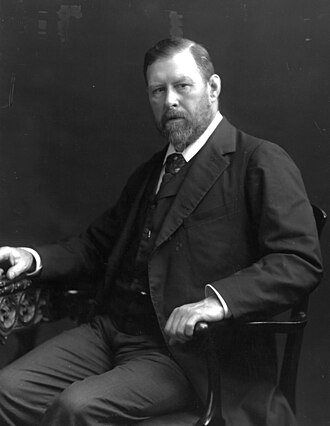
Dublin breathes through Bram Stoker’s pages. For visitors chasing Dracula’s shadows, the city offers a mix of clear biographical touchpoints and a larger atmosphere that likely fed Stoker’s imagination. This guide separates what we can verify about Bram Stoker’s Dublin from later folklore and scholarly speculation, offers practical visiting information, and lays out a self-guided walking route you can cover in a day or over several evenings if you prefer to pause and soak up the streets that may have helped shape one of the most enduring Gothic novels in English.
Book a guided Bram Stoker & haunted Dublin walking tour for deeper context, period anecdotes and stories you won’t find in guidebooks; a guided walk is the fastest way to separate what’s documented from what’s charming local legend.
Why Bram Stoker’s Dublin matters: documented facts vs. legend
Bram Stoker was a Dubliner by birth and education, and his early life in the city left footprints—some clear, some faint. Certain institutions and addresses have a direct documentary link to him: places he studied or where he worked. Other locations are attractive to Stoker enthusiasts because they fit the mood of Dracula: medieval streets, churches with crypts, and riverside lanes. These atmospheric spots are valuable for understanding the texture of the city that shaped Stoker’s imagination, but they are often speculative when it comes to direct influence on specific scenes or characters.
In this article we label sites as “documented” when there is archival or biographical evidence of Stoker’s presence or employment, and as “likely” or “atmospheric” when they plausibly influenced him but lack firm documentary proof. That distinction helps you plan a visit that balances reliable history with evocative exploration.
Quick practicals: map, timings, accessibility and what to expect
Distance and terrain: The core self-guided route below is compact, mostly paved, and walks easily between central City locations. Expect cobbles in the medieval quarter near the cathedral and some inclines if you head toward higher streets. Wear comfortable shoes.
Time: The full route can be done in 2 to 3 hours of walking plus stops for photos and coffee. If you linger in churches, museums or pubs, allow half a day.
Accessibility: Some historic sites have limited step-free access—crypts and older buildings can be challenging. Check individual site access ahead of time. For an evening variant, see our suggestions in Dublin Night Tour Ideas: 8 After‑Dark Walks for History, Hauntings & Culture.
What to bring: weatherproof layers, a small map or offline map app, and a curious attitude. A portable battery is handy if you plan to take lots of photos.
Documented Stoker connections: places with firm biographical links
Trinity College Dublin — Education and early networks: Stoker attended university in Dublin, and the academic and theatrical circles there shaped his early interests. Trinity’s long history and libraries were part of the intellectual backdrop for a young writer in late 19th-century Dublin.
Dublin Castle — Employment and civic life: Stoker worked in Dublin as a civil servant. His association with administrative life in the city, including offices in or around the Castle precincts, is a documented part of his biography. This connection helps explain his familiarity with official buildings and the social world of Dublin’s professional class.
Other verifiable links are recorded in contemporary newspapers and surviving correspondence. When you visit sites presented as documented, you are standing where Stoker’s life intersected with the city’s institutions.
Likely inspirations and atmospheric sites: plausible but unproven links
Christ Church Cathedral and its crypt: A dramatic medieval complex near the heart of the city, Christ Church offers the kind of ancient graveyards and crypt spaces that appear in Gothic fiction. While there is no direct evidence that Stoker wrote specific scenes set here, the cathedral’s atmosphere is frequently cited by guides and writers as evocative of the mood in Dracula. For a deeper look at history and hauntings here, see Christ Church Crypt Haunted? A Visitor’s Guide to History, Hauntings & Tours.
Medieval quarter and the River Liffey: Narrow lanes, old bridges and foggy river banks create the urban Gothic that pervades Stoker’s novel. These places are important for ambience rather than documentary proof, yet they remain essential stops for fans.
Pubs, theatres and the social night-life: Stoker had theatre connections and moved in circles where pubs and clubs were meeting points. Historic pubs in the city center and theatre venues supply the social texture that informed his character sketches. If you want a pub-focused route, our Haunted Pub Crawl Dublin: A Guided Walking Route Through Historic Pubs offers a guided option.
Self-guided route: a sensible walking itinerary with stop-by-stop notes
Start: Trinity College (entrance area). Spend 20–30 minutes on the campus. Note the academic architecture and imagine the networks of students, tutors and amateur dramatists who would have occupied similar spaces in Stoker’s time.
Walk west toward Dublin Castle (approx. 10–15 minutes). Explore the public parts of the Castle precincts, read plaques and look for traces of the administrative world Stoker worked in. The Castle’s mix of formal buildings and old laneways helps explain Stoker’s interest in institutional authority and hidden corridors.
Stroll south to Christ Church Cathedral (5–10 minutes). Allow 30–45 minutes to view the exterior, cathedral floor and crypt if you wish. The crypt is atmospheric and often used in public storytelling—an evocative stop that adds texture to a Dracula pilgrimage.
From the cathedral, meander along the medieval quarter toward the River Liffey (10 minutes). Take time to peer at older buildings, alleys and bridges. These are the streets that convey urban layers of history and are best appreciated slowly.
Optional: Finish in Temple Bar or the nearby Georgian quarter for coffee or an early evening pint. If a pub atmosphere appeals, follow up with our Haunted Pub Crawl Dublin or pick a historic venue from the Haunted Places in Dublin You Can Visit guide.
How to read the evidence: sources, archives and where speculation starts
Primary evidence for Stoker’s Dublin life appears in official records, university registers, newspapers and personal correspondence where it survives. Institutions such as Trinity College hold records that document attendance and activities. Civic records connect Stoker to employment in Dublin. That kind of material is what qualifies a site as “documented.”
Speculation grows when later guides, local lore or imaginative retellings attribute specific scenes or inspirations to particular streets or buildings without archival proof. These attributions are often compelling and enjoyable, and they can illuminate how modern Dubliners remember Stoker, but they should be treated as folklore unless supported by primary evidence.
When reading plaques, guidebook claims or tour narratives, look for language that signals uncertainty: “tradition says,” “locally believed,” or “possibly inspired by.” Those phrases mark the point where legend begins. For richer context on how Dublin’s darker corners are presented to visitors, consider Unique Tours in Dublin: Offbeat Haunted Walking Experiences.
Where to join a guided Bram Stoker or dark-history tour (booking tips)
If you want authoritative interpretation, a guide with knowledge of both the documentary record and local storytelling is invaluable. Guided tours provide primary-source anecdotes, archival context and a chance to ask about differences between fact and folklore. Our tours combine documented stops with atmospheric sites and are paced for curiosity rather than speed.
Book a guided Bram Stoker & haunted Dublin walking tour to join a scheduled group and hear the stories behind documented locations and popular myths. If you are traveling with a private group, our dedicated option for tailored experiences can be arranged here: Book a private or group tour.
Booking tips: check meeting points and start times carefully, especially for evening tours. If you have mobility needs or are traveling with children, let the tour operator know in advance so they can recommend an appropriate route.
Final tips for visitors
Balance your day. Start with the documented sites to anchor your visit in verifiable history, then allow the city’s darker corners to stimulate the imagination. Combine daytime archival stops with a twilight walk to feel how different light and weather alter the city’s mood.
Pair your tour with related walks or experiences—Christ Church’s history and hauntings, a pub crawl for social context, or an after-dark itinerary to see the city’s Gothic spaces under evening skies.
Book a guided Bram Stoker & haunted Dublin walking tour for expert narration and to separate documented fact from folklore with confidence. For private groups or specialized interests, remember the private booking option at our group tours page.
FAQ
Which Dublin sites have documented links to Bram Stoker?
Documented links include the institutions associated with Stoker’s education and employment—most notably his university connections and his work within Dublin civic administration. These are the places where archival records and contemporary accounts place him; other sites may have plausible connections but lack direct documentary proof.
Are there plaques or museums dedicated to Bram Stoker in Dublin?
There are commemorative markers and interpretive signs related to literary figures around the city. Dublin’s museums and cultural sites sometimes include references to Stoker within broader displays about Victorian Dublin or the city’s theatrical history. For cathedral-related lore and visitor guidance, see the Christ Church Crypt visitor guide linked above.
How long does the self-guided Stoker route take and is it suitable for families?
The core walking route can be completed in roughly 2–3 hours including short stops. It is family-suitable if you tailor the pace and choose child-friendly stops; crypts and evening tours may be too intense for very young children. Consider splitting the route into shorter blocks or adding a pub or café break to keep younger visitors engaged.
Can I book a guided Bram Stoker or Dracula-themed walking tour in Dublin?
Yes—guided Bram Stoker and haunted Dublin walks are available. Booking a guided tour is the best way to get the historical context and to hear the difference between documented biography and local legend. To reserve a spot, Book a guided Bram Stoker & haunted Dublin walking tour.