
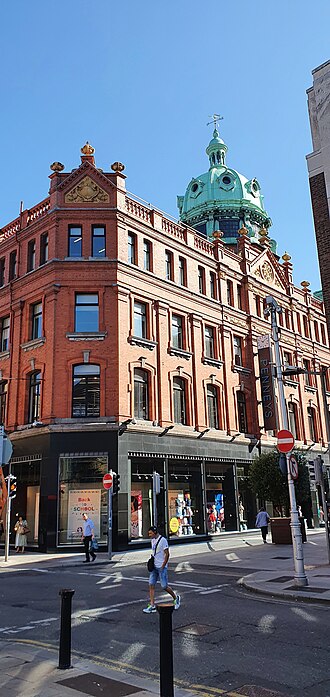
Dublin’s Victorian-era cinemas occupy a peculiar place in the city’s dark-history imagination: once bustling picture palaces and repurposed music halls that carried crowds, they now sit half-forgotten behind boarded windows or survive only as façades stitched into modern shopfronts. This guide traces what remains of those cinemas, separates documented architectural and social history from later folklore, and gives practical advice for visitors who want to explore these atmospheric sites safely and respectfully.
Ready to learn on foot with an expert guide? Book a Haunted Hidden Dublin walk to explore Dublin’s darker layers and hear both the archival facts and the stories that grew up around them: https://www.hiddendublintours.com/tours/
From music halls to picture palaces: documented history of Victorian and early 20th-century cinemas in Dublin
Documented history shows a clear evolution. During the Victorian era (1837–1901) Dublin had a lively popular-entertainment culture built around music halls, variety theatres and portable shows. As moving pictures arrived in the late 19th and early 20th centuries, many of these existing venues were adapted to screen films. Over time, some entrepreneurs replaced modest conversion work with purpose-built “picture palaces” designed to impress with decorative plasterwork, ornate foyers and large auditoria.
These sites were social hubs—places for affordable leisure and for seeing the latest newsreels, serials and features. The cinema boom sat alongside the growth of tram and railway travel, which shaped where venues were built: near transport hubs, main streets and busy quays. Business cycles, wartime economies, and later the rise of television and multiplexes led to closures and closures or wholesale redevelopment of many early cinemas.
Surviving locations and lost landmarks: a map of abandoned cinema sites (what remains and what’s gone)
What remains today is a patchwork. Some former cinema buildings retain exterior features—arches, signage blocks, or the occasional tiled ticket office—while others survive only in the footprint of a later shopfront or as memory in local directories. Entire auditoria were demolished to make way for new streets and modern retail.
Key areas where traces persist include parts of the north and south quays, main thoroughfares that once hosted popular picture houses, and inner-city neighbourhoods that housed smaller local cinemas. In the Docklands and some back-alley districts, you can still find façades and alley entrances that hint at an entertainment past; for further reading on hidden quayside sightings and atmospheric riverside spots, see Unsettling Sightings Along the River Liffey Quays: A Walking Guide.
When you explore, expect to see:
- Reused façades incorporated into Victorian or later commercial buildings.
- Blocks marked on old maps or trade directories where an auditorium once stood.
- Fragments of interior architecture visible only from windows or through archways—mouldings, staircases, or blocked-off doorways.
Eerie tales and reported sightings: folklore around key cinema sites (unverified stories clearly noted)
Folklore and ghost stories have gathered around derelict cinemas in Dublin the same way cobwebs gather in empty corners. Reported themes are consistent: spectral ushers pacing projection rooms, distant organ music where no organ remains, the phantom scent of greasepaint, or apparitions of children in old foyer spaces.
These tales are part of the city’s oral culture but should be treated as unverified unless connected to contemporary eyewitness accounts recorded by reliable sources. Many stories grew after a building fell into disuse—dark spaces encourage imaginative storytelling, and memories can become exaggerated over decades. Where a legend references a specific event or death, we flag those claims as folklore unless supported by archival records or contemporary reports.
Examples of unverified recurring motifs:
- The phantom projectionist who returns to complete a film reel—common in cinema folklore but not corroborated by formal records in most cases.
- Children heard laughing or running in empty upper levels—an emotive image that often reflects the building’s past as a family entertainment venue, but typically lacks contemporary documentation.
- Strange lights and moving shadows—these are often explainable by passing traffic, reflections, or the way modern interior lighting interacts with old mirrors and glass.
For readers interested in related legends across the city, Phantom Trams of Old Dublin: Legends, History and Where to See Them and Docklands Back-Alley Legends Trail: A Walking Guide to Dublin’s Hidden Histories collect comparable folklore tied to transport and riverside neighbourhoods. When you hear an eerie account on a walking tour, ask the guide whether that story is drawn from a newspaper report, oral tradition, or a blend of both—good tours will make that distinction clear.
Visiting responsibly: access, safety, permissions and photography dos and don’ts
Exploring abandoned cinemas can be rewarding but carries real risks. Many buildings have unstable floors, hidden debris, or hazardous materials such as old plaster or asbestos. Others are privately owned and may have legal protections. Follow these guidelines:
- Do not enter buildings without explicit permission from the owner. Trespass laws apply and owners or developers may prosecute.
- If a doorway is open and a space looks derelict, assume it is unsafe until checked by a professional. Collapsing floors and loose masonry are common hazards.
- For photography: use a small tripod and fast prime lens for low-light interiors. Respect posted “No Photography” notices and the privacy of any nearby occupants.
- Wear sturdy shoes, bring a torch, and avoid exploring alone. Let someone know your route and expected return time.
- Do not move or disturb fragile fixtures, paper ephemera or graffiti. Many buildings are of historical interest; removing items damages the record for future researchers.
- Report dangerous conditions to local authorities or heritage groups rather than attempting amateur stabilisation.
Where to start: self-guided routes and what a specialist Haunted Hidden Dublin tour offers
For a self-guided visit, begin by studying historical maps and local directories to identify former cinema locations, then plan a route that keeps to public thoroughfares. Concentrate on streets and quayfronts where entertainment districts clustered—these areas often reveal façades, side alleys and documentary plaques. Use internal resources like St Michan’s Crypt Mummies and Local Legends for complementary historic stops that show how different kinds of urban memory intersect.
A Haunted Hidden Dublin specialist tour adds value beyond route planning. Our guides combine archival knowledge with streetwise navigation of urban sites, distinguishing documented facts from legend as they walk. Tours provide:
- Contextual history drawn from municipal records and contemporary accounts, not just hearsay.
- Safe routes and access advice—on some occasions we can arrange permission to view restricted exteriors or interiors, depending on ownership.
- Photography tips for low light and exterior composition.
- A balanced storytelling approach that marks folklore as such while explaining the social history of entertainment venues.
If you prefer to explore with a private group, we can arrange tailored walks that focus on abandoned cinemas and related dark-history themes—contact us about group bookings: https://www.hiddendublintours.com/group-tours-dublin/
Conservation and reuse: local efforts, community memories and how these buildings are being reimagined
Many former cinema buildings have found second lives. Adaptive reuse keeps façades and a sense of place while transforming interiors into retail spaces, apartments, gyms or modern theatres. Conservation groups and local historians campaign to preserve notable features where possible, but redevelopment pressures in a growing city mean compromises are frequent.
Community memory plays a crucial role: oral histories, photographs and personal collections often preserve the social life of venues that architects and planners overlook. Supporting local heritage initiatives and choosing responsible tour operators helps sustain advocacy for careful reuse and conservation. If a restored site opens to the public, consider visiting in a way that supports ongoing preservation—buy a drink, join a talk, or donate to archives that document the city’s entertainment history.
For more maritime-flavoured mysteries of Dublin’s past after your cinema walk, consider pairing your route with Dublin Port Maritime Mysteries: Shipwrecks, Smuggling and Ghost Stories to see how entertainment districts and portside life interconnect.
To join a guided walk that balances archival accuracy with atmospheric storytelling, book a Haunted Hidden Dublin tour here: https://www.hiddendublintours.com/tours/
FAQ
Are the abandoned Victorian cinemas in Dublin safe to enter?
Most abandoned cinema buildings are not safe to enter without structural assessment and owner permission. Common hazards include unstable floors, loose plaster, and concealed debris. Never enter a building you do not own or that is clearly marked as dangerous. Tours and heritage organisations will advise on safe viewing locations and, where possible, arrange proper access.
Can I visit these cinema sites on my own or do I need permission?
You can view many former cinema exteriors from public streets and alleys without special permission. For interior access, permission from the property owner is required. Respect private property and local bylaws; many of the most atmospheric spots are fenced or locked for safety or redevelopment reasons.
Are the ghost stories and sightings at Dublin’s old cinemas documented historical facts?
Most ghost stories connected to abandoned cinemas are part of local folklore and oral tradition rather than documented historical fact. Good guides and researchers make a clear distinction: documented history is based on primary sources and records; folklore is part of the cultural afterlife of these places and is valuable for what it tells us about collective memory, but it should be labelled as unverified unless supported by archival evidence.
Does Haunted Hidden Dublin run tours specifically focused on abandoned cinemas?
Yes. Haunted Hidden Dublin offers themed walks that explore entertainment districts, cinema traces and related dark-history topics. Our tours emphasize documented history while sharing the folklore that surrounds these places. Visit https://www.hiddendublintours.com/tours/ to see current offerings and book a walk tailored to cinema history and urban legends.