
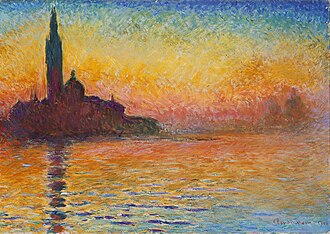
The Grand Canal at dusk is a ribbon of glass and shadow that runs through Dublin’s southside, a place where reflected light, brick warehouses and the muted thrum of a sleeping city set the stage for stories. An evening walking story walk here stitches documented industrial and social history to local folklore—safe, atmospheric and designed for travellers who want history with a chill down the spine rather than cheap thrills.
Book the Grand Canal Dusk Story Walk — reserve your spot at https://www.hiddendublintours.com/tours/
Why the Grand Canal at dusk? Atmosphere, history and what this walk delivers
Dusk softens the city’s edges. Light on water creates a sense of liminality that suits stories about change, loss and industry. The canal corridor was once a working artery—boats, warehouses, foundries and labour shaped daily life here. At twilight the evidence of those lives remains visible in brickwork, dockside scars and place names, while the quieter city allows us to hear the human details between the echoes.
This walk is not a ghost-hunt for spectacle. It’s an evening-led, visitor-focused route that combines archival fact—how the canal was engineered and used—with oral histories, recorded crimes and the folklore that communities told about drownings, strange sightings and accidents. Expect atmospheric narration, short stops with room for questions, and safe, well-lit stretches of canal-side. The tone is atmospheric but measured: each tale is framed as documented history, oral memory or legend so you know what is factual and what is local storytelling.
Route overview & key stops: from Grand Canal Dock toward the basin — timing and expected distance
The standard route starts near Grand Canal Dock and proceeds west along the south bank toward the basin area, pausing where industrial heritage and local stories are most concentrated. Key stops typically include the dockfront, surviving warehouse facades, early lock sites, quays that hosted craftsmen and labourers, and a quieter basin stretch where the canal slows and stories deepen.
Expect roughly 1.5–2 kilometres of gentle walking with frequent stops, taken at an unhurried dusk pace. The full experience, including storytelling and Q&A, is designed to last about 60–75 minutes. The timing will vary with daylight and seasonal light—some departures are scheduled specifically to catch the exact moment when the city moves from daylight to night.
Documented histories you’ll hear on the walk: construction, commerce, industrial accidents and social change
Documented history on the walk focuses on how the canal was built and used: engineering choices, the role of barges and freight, and the industrial clusters that grew along its banks. Participants hear about dockside commerce—what was moved, why the canal mattered to local markets—and how warehouses and small manufactories shaped neighbourhood economies.
The walk examines documented incidents that left a mark on the community: workplace accidents in slipways and mills, docks where lives were lost during loading operations, and the social changes that accompanied the canal’s decline as rail and road transport took over. Stories of labour disputes, migration into canal-side housing, and the gradual repurposing of industrial buildings for offices and apartments are all presented from recorded accounts, newspaper reports and municipal records where available.
Where the record exists, guides will indicate the source type (e.g., municipal archive, contemporary reporting or oral testimony) and avoid treating hearsay as fact. This clarity is part of the walk’s design: you’ll leave knowing what is documented and why some stories endure as part of local memory.
Legends, hauntings and drownings: separating folklore from the historical record
The canal’s quiet after dark naturally attracts storytelling. On this walk you will hear local legends—tales of phantom figures on the towpath, stories about unexplained lights on the water, and accounts of drownings passed down in families. These are presented as folklore and oral history, invaluable for understanding local culture but not the same as archival fact.
Where a drowning or accident appears in official records it is treated as documented history; where it exists only in community memory, it is described as legend or local lore. Guides make this distinction explicit. A useful comparison: if a tale appears only in oral circulation but not in contemporary records, it’s explored for what it reveals about local anxieties and living remembrance rather than claimed as proven fact.
For readers wanting to explore similar story-led walks and the way legend and law intersect elsewhere in Dublin, our pages on The Liberties After‑Dark Lore Collection, Four Courts Courtroom Whispers and the Stag’s Head Phantom Patron Stories offer companion perspectives on how place, history and tale meet.
Evening logistics: safety, lighting, public transport links and best months for dusk tours
Safety is a priority. The route is chosen to minimize hazards: we avoid unlit private quays, unstable edges and waterside obstacles. Guides carry lamps and are trained in basic first aid and crowd management. Participants are briefed at the start on where to stand during stops and how to keep a safe distance from the canal edge.
The canal-side is served by public transport and short taxi rides from central Dublin; meeting points are selected for easy access. Because dusk times shift with the seasons, the best months for atmospheric light tend to be spring and autumn, when sunset is late enough for a proper evening but early enough for comfortable temperatures. Summer departures can be very light in the sky and busier; winter tours run but are scheduled around shorter daylight and colder conditions.
Practical tips for visitors: footwear, photography etiquette, and what not to do on canal edges
Wear steady footwear—trafficked towpaths and cobbles can be uneven. Light layers work best for an evening walk when temperatures can drop after sunset. Bring a small torch if you prefer, though guides will provide directional lighting at key stops.
Photography is welcome, but please respect other visitors and any private property views. Avoid using flash during night-time stops so the guide’s narration and the atmosphere remain undisturbed. Critically, never lean over canal edges or sit on walls; the banks can be slippery and old stone surfaces may be unstable. Keep a safe distance, supervise children closely and follow your guide’s instructions at all times.
If you’re curious about accommodation with a haunted bent or running a guesthouse near historic routes, our guide on How to Set Room Rates for Haunted Dublin Guesthouses provides practical advice for hosts blending heritage and hospitality.
Booking options & next steps: public departures, private groups and how to reserve your spot
Regular public departures run through the main tourist season and on selected evenings in shoulder months. For private groups, corporate events or school bookings, we offer bespoke evening departures tailored to accessibility needs and group size. Private bookings are ideal for teams, family groups or themed events where you want exclusive narration and scheduling.
Book the Grand Canal Dusk Story Walk — reserve your spot at https://www.hiddendublintours.com/tours/
For private group enquiries and corporate bookings, please see our private groups page: Private group bookings — reserve via https://www.hiddendublintours.com/group-tours-dublin/. We can adapt route length, pacing and content focus to suit your needs.
A final note on tone and expectations
This is an atmospheric, interpretive walking story walk: expect historically grounded narration, local oral histories, and folklore framed as such. The aim is to deepen your understanding of how the Grand Canal shaped people’s lives and imaginations—how industry and loss became the source material for the stories residents tell after dark.
If you’d like more route variety, consider pairing this dusk walk with other themed experiences across Dublin—explore more legal hauntings at Four Courts Courtroom Whispers, or prolong the evening with a pint and a tale at the Stag’s Head. If you prefer castle‑based ghost stories and visitor notes, our Dalkey Castle feature may also interest you.
Book the Grand Canal Dusk Story Walk — reserve your spot at https://www.hiddendublintours.com/tours/
FAQ
How long is the Grand Canal Dusk Story Walk and how far will we walk?
The typical public walk covers approximately 1.5–2 kilometres and lasts about 60–75 minutes, including stops for storytelling and questions. Timings are adjusted for seasonal dusk and group pace.
Is this dusk walk suitable for children or people with limited mobility?
Children are welcome but must be supervised at all times because of waterside hazards. The standard route includes some uneven surfaces and cobbles; if you or a group member uses mobility aids or has limited mobility, contact us in advance so we can suggest an adapted route or private departure that better meets accessibility needs.
What should I bring and wear for an evening canal-side history walk?
Wear comfortable, sturdy shoes and dress in layers for changing temperatures. A small waterproof or light torch can be useful. Avoid loose clothing that could catch on railings or edges, and respect other participants and private property when taking photos.
Can I book this walk as a private group or corporate outing?
Yes. Private group and corporate bookings are available and can be tailored for time, content and accessibility. For private bookings and bespoke options, visit our private groups page at https://www.hiddendublintours.com/group-tours-dublin/ or reserve a spot on a public departure at https://www.hiddendublintours.com/tours/.