
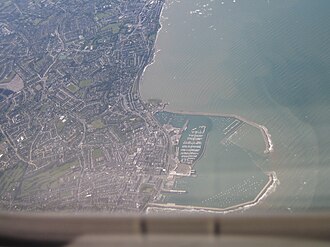
Dún Laoghaire Harbour Shipwreck Folklore: Ghost Stories, History & Visit Guide
Few places in Dublin mix salty air, long stone piers and human memory the way Dún Laoghaire harbour does, and where sea and stone meet you’ll find stories. Some begin in ink on a ledger or a lifeboat log; others swell over years of retelling until they glow like phosphorescence on a dark night. This guide separates the documented maritime incidents from the legends they inspired, explains how those legends grew, and gives a practical route and visitor advice so you can hear the harbour’s shipwreck folklore for yourself.
Why Dún Laoghaire’s harbour inspires shipwreck folklore
The harbour’s long piers, abrupt drop to the Irish Sea and history as a busy maritime gateway make it a natural focus for tales of lives lost and near-miraculous rescues. A shoreline used for centuries to land cargo, ferries and fishing craft also holds traces of the accidents that shaped local memory—wrecked hulls, wreckage hauled ashore, and the grieving families who remembered them. In a town where the sea is always present, it’s normal for practical, recorded events to accumulate an imaginative afterlife.
Documented maritime history: what records tell us about wrecks and rescues
Documented maritime history is based on primary sources: official shipping registers, coastal rescue logs, local newspapers and coroner’s or Board of Trade reports. These records note vessel names, cargoes, weather conditions and, crucially, whether loss of life occurred and how survivors were rescued.
At Dún Laoghaire you can verify incidents by consulting several types of sources. Local newspaper archives (available in libraries and digital archives) reported shipping accidents and lifeboat launches in detail. Lifeboat crew records and the Royal National Lifeboat Institution (RNLI) keep contemporary logs of rescues. Municipal archives and harbour authority documents record ship movements and harbour incidents. When researching a specific wreck, look for more than one corroborating record: a newspaper account supported by an official report or a lifeboat log is strong evidence.
It’s important to recognise what the documentary record does not always capture: private conversations, emotional responses and small actions that never made it into print. Those gaps are where folklore often rises.
Common shipwreck legends and ghost motifs at the harbour (folklore)
Note: the items below are local folklore—stories shared by residents and visitors that are part of the harbour’s living narrative rather than documented events.
• The Lantern on the Pier – A recurring tale tells of an unseen light moving along the East Pier on stormy nights, guiding or misleading ships. Storytellers present it as a warning or as the restless light of a drowned sailor.
• The Phantom Ferry – Some narrators describe a ghostly ferry silhouette docking at the harbour in heavy fog, then vanishing as people step forward. It’s told as a residual image of past links between Ireland and Britain.
• Voices Under the Wall – Walkers swear they hear singing or shouting from below the harbour wall when seas are high. The motif of distant voices is common in coastal folklore and often associated with lost crews.
• The Ship That Returned Empty – A popular story speaks of a small vessel that reached port with no crew on deck, its lines still taut. Versions vary: some say the crew was gone, others that they’d walked into fog and never returned. These narratives tap into fears about sudden disappearance at sea.
These motifs are familiar in maritime folklore worldwide: guiding lights, phantom vessels, disembodied calls and mysterious returnings. They are powerful as stories because they operate on sensory memory—lights, fog, sound—and because they link ordinary harbour features to the unknowable depths beyond them.
How real events become ghost stories: eyewitness accounts, newspapers and oral tradition
Folklore often begins with a kernel of truth. A real lifeboat launch, an unexplained disappearance or a dramatic rescue can be written up in a paper, retold at a harbour tavern and then embroidered. Newspapers may emphasise drama; eyewitnesses may remember only fragments. Over time, retellings compress multiple incidents into a single, memorable story.
Oral tradition plays a major role. Fishermen, dockworkers and their families pass stories across generations. Each retelling adapts to the teller’s audience and purpose—some are cautionary, others are entertainment. In a tight-knit coastal community, a single dramatic night will be replayed innumerable times and can accumulate symbolic elements (a name, a light, a repeated phrase) until the story feels ancient.
Memory and misremembering also matter. People conflate similar incidents from different years or locations. A rescue from fifty years ago might fuse with a 19th-century wreck in the public imagination. That fusion explains why folklore often carries the ring of truth without matching any single documented event.
Where to hear the tales today: a short walking route and key storytelling spots
A short, tour-friendly route will take you to the places where the harbour’s shipwreck folklore is most vivid. Start at the Dún Laoghaire station forecourt and follow the seafront east toward the East Pier.
1. Seafront promenade — A place for context and orientation. Guides usually set the scene here: shipping lanes, local weather and the town’s maritime past.
2. East Pier entrance — Many tales begin where land meets pier. Here, storytellers describe the Lantern on the Pier and the long, lonely walk of harbour workers.
3. Along the East Pier — The pier’s length and exposure to the sea make it a perfect atmospheric stage. Guides often pause halfway to tell the Phantom Ferry tale and to point out how fog can change perception.
4. Near the lifeboat station — A discussion of documented rescues and lifeboat logs belongs here: the real stories behind heroic launches, and how they differ from the ghost stories.
5. Harbour wall and quay — Many stories about voices and sudden disappearances are told here, with the wall and the water as a dramatic backdrop.
Guided evening walks condense these stops into a one- to two-hour route that balances history and atmosphere. For other Dublin ghost trails and contextual visits, you might enjoy our pieces on the Howth Head coastal ghost trail: Folklore, Walking Route & Visitor Guide and the long urban legends accumulated at places like the Casino at Marino — Mysterious Visitor Tales, History & Visiting Tips.
Practical visitor information: best times, safety, accessibility and what remains to see
Best times: evening tours are atmospheric—dusk and night amplify the folklore—but daylight tours offer clearer historical context. Avoid high winds and storms; piers become hazardous in poor weather. Check local forecasts and the tour operator’s updates before setting out.
Safety and accessibility: the East Pier is long and exposed, with uneven stone and trampling from many feet. Wear sensible footwear and warm layers. Parts of the walk are not fully accessible for wheelchairs or people with limited mobility; ask about alternative meeting points or shortened routes when booking. The lifeboat station area and some quays have railings and safer surfaces for viewing.
What remains to see: you should expect to find solid harbour architecture—stone piers, lighthouses and harbour fixtures—rather than visible wrecks. There are memorials, plaques and interpretive signs in places that point to the harbour’s maritime past. Close visual inspections of the harbour floor are not possible without a dive or official permission, and most ship remains, if present, are buried or submerged beyond casual view.
Responsible tourism and group bookings: guided night walks, private tours and local etiquette
Responsible visiting matters. Coastal sites are sensitive; avoid stepping on fragile algae, climbing on unsafe walls or disturbing wildlife. If you bring refreshments, take any litter with you. For small donations and cashless tips, our guidance on respectful giving is helpful—see Contactless Tips & Donation Best Practice for Dublin Night Walks.
Group bookings: if you want a focused experience—perhaps for research, photography or school groups—consider a private tour. Private group tours allow more stops, quieter storytelling and adjustments for accessibility. To inquire about bespoke harbour folklore tours for larger parties, use our private group booking page.
For smaller public walks, our evening Haunted Hidden Dublin tours run regularly; they balance documented history with local folklore and are designed to respect the harbour and those who live and work nearby.
Further context and nearby curiosity stops
Folklore rarely occurs in isolation. If your interest in the uncanny extends beyond the harbour, Dublin has many sites with overlapping narratives of hauntings and unexplained history. Two popular options for evening visits are St Audoen’s Church: Unexplained Stories, History & Evening Visit Guide and Rathfarnham Castle: Hauntings, Legends & Visitor Guide, both of which show how architectural spaces collect stories across centuries.
FAQ
Are the shipwreck ghost stories at Dún Laoghaire true?
Some stories have roots in real incidents recorded in newspapers and rescue logs; others are embellishments or symbolic retellings. Where documentary evidence exists, it is distinguishable from folklore. The emotional truth of the stories—loss, bravery and the sea’s power—is real even when details are not.
Can you see any actual shipwreck remains at the harbour?
Visible wrecks are not a feature of the modern harbour. Most wreckage is submerged, broken up or removed. What visitors can see are harbour structures, plaques and telltale artifacts on display during guided talks; full archaeological investigation requires specialist diving and permissions.
When is the best time to join a guided tour to hear the ghost stories?
Evening tours offer the strongest atmosphere for ghost stories, while daytime tours are better for detailed historical context. If you prefer quieter conditions, choose weekday evenings outside of peak summer tourist weeks. Always dress for wind and spray.
Do you offer private group tours focused on harbour folklore?
Yes. Private group tours can be tailored to focus on harbour shipwreck folklore, documentary history or a mix of both. For details and bookings, please visit our private groups page: https://www.hiddendublintours.com/group-tours-dublin/.