
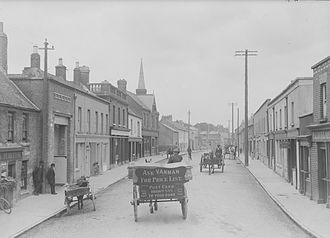
Rathfarnham Castle: Hauntings, Legends & Visitor Guide
Rathfarnham Castle sits on a quiet rise in south Dublin, a stone-turned-landmark whose weathered battlements and timber interiors invite both history lovers and those drawn to darker tales. This guide separates the verifiable history of the castle from local folklore, catalogs the most commonly reported hauntings with notes on source reliability, and offers practical advice for visiting — whether you prefer a daytime history walk or to hear the stories after dusk on a Haunted Hidden Dublin tour.
Book a Haunted Hidden Dublin tour or private group visit to include Rathfarnham Castle on an atmospheric walking route through south Dublin. Our public night and day routes balance documented history with the folklore that surrounds sites like Rathfarnham.
Quick overview: Rathfarnham Castle through the ages
Rathfarnham Castle is principally a late Tudor/early Stuart house built in stone with defensive features typical of its era, set on a site with earlier settlement. Over centuries the building changed hands, was remodelled and adapted for different uses, and became part of the suburban expansion of Dublin. Today it functions as a preserved historic site and cultural venue managed by the city, hosting exhibitions, events and occasional craft workshops within its restored rooms and walled garden.
Documented history and verifiable incidents
When discussing Rathfarnham it is important to separate archival record from storytelling. The castle’s architectural fabric — its curtain walls, vaulted cellars and period rooms — provide the clearest, verifiable link to its past. Records held by municipal archives and public collections document ownership, architectural changes and recorded repairs over the centuries. Those records also show periods of military activity in the region and legal transactions that explain why the building changed hands.
Verifiable incidents tend to be mundane: marriages, inheritances, leases, and documented visits by notable locals. Publicly accessible sources such as local history guides, council records and conservation reports give the most reliable picture of the castle’s past; for visitors this means the physical fabric and labelled exhibits are the best source of documented history on-site.
Legends and folklore: common ghost stories (labelled as anecdote)
Note: the stories below are local folklore and anecdote, not confirmed historical fact. They are included because they have shaped how people experience Rathfarnham Castle.
One frequent tale tells of a sorrowful woman seen at the castle windows, often described wearing clothing from an earlier century. Another local story mentions the sound of footsteps in otherwise empty rooms, or a cold spot in a particular corridor. Folk memory also records a spectral presence in the gardens at dusk, sometimes associated with gardeners or labourers from the castle’s working past.
These stories likely originated from a mixture of oral tradition, atmospheric conditions in stone buildings (echoes, wind, settling timbers), and the natural human tendency to layer narrative over a dramatic setting. As with most castle legends, the tales were amplified in the 20th century by guidebooks, local newspaper features and evening storytelling that favored mood over documentary proof.
Notable reported sightings and eyewitness accounts
Reports about Rathfarnham fall into three reliability categories: eyewitness accounts from visitors or staff (anecdotal), mentions in local press or guidebooks (secondary), and archival records (documentary). Most haunting claims belong to the first two categories.
A number of staff and visitors have shared accounts of unexplained noises, fleeting shapes at the top of staircases, or the sensation of being watched in particular rooms. These accounts are valuable as cultural evidence — they tell us what people experience — but they are not independently verifiable in the way a recorded legal document is. Where stories have been reported in local newspapers or featured on organised ghost walks, they tend to be repeated and slightly altered over time.
For a visitor deciding how much weight to give such accounts: consider the source. An off-hand remark by a private visitor is anecdote. Repeat mentions in multiple independent local publications or a sustained oral tradition across decades suggests a story has cultural traction, even if it cannot be proved.
What visitors can actually see today
Rathfarnham Castle offers tangible layers: exterior battlements, a range of period interiors and displays, and a restored walled garden frequently used for events. Exhibits focus on the building’s architecture, domestic life through different eras, and conservation work. Many rooms contain interpretive labels that clearly differentiate documented fact from local tradition.
Opening hours and access vary by season and by programme; some rooms may be closed for conservation or private events. Because policies change, always check the official information before travelling. Photography for personal use is generally permitted in public areas, but restrictions may apply to special exhibits or private functions — follow posted signage and staff instructions when on site.
Night visits, safety, permissions and legal considerations
Unlicensed after-dark access to Rathfarnham Castle is not permitted. Historic sites are usually locked and protected outside opening hours for safety, conservation and insurance reasons. If you are interested in an evening visit or a paranormal investigation, you must obtain written permission from the site managers — typically through the municipal authority responsible for the property.
For organised night events, expect safety briefings, limits on the number of participants, and clear rules about areas that remain off-limits. If you plan independent paranormal exploration, remember that trespass is a legal offence; local authorities can and do act to protect heritage sites and neighbouring properties.
How to experience Rathfarnham Castle with Haunted Hidden Dublin
Haunted Hidden Dublin runs guided walks that combine verifiable history with the folklore layered over places such as Rathfarnham. Our standard walking routes take in the castle exterior and immediate surrounds while exploring related stories in the neighbourhood. Routes are designed to be safe, engaging and mindful of the site’s conservation needs.
For groups or specialised interests we offer private bookings that can include expanded commentary, tailored storytelling and practical arrangements to accommodate mobility needs. To arrange a private group visit, see our group booking page for details and availability: Book a Haunted Hidden Dublin tour or private group visit.
Practical tips for joining a Haunted Hidden Dublin visit:
- Wear sturdy footwear — surfaces around historic sites can be uneven.
- Check the weather and bring a light if you’re joining an evening walk.
- Respect on-site rules — areas may be off-limits to protect fragile interiors.
- Read our guidance on donations and contactless etiquette to support late-night walks: Contactless Tips & Donation Best Practice for Dublin Night Walks.
Related routes and places to pair with a visit
Rathfarnham sits within a constellation of Dublin sites that mix historical significance with evocative local stories. If you’re planning a themed itinerary, consider pairing the castle with other nearby or complementary routes such as the Howth Head coastal ghost trail for coastal folklore, Kilmainham Gaol for after-dark legends, or Malahide Castle for similar castle ghost stories. These are resources we use to build fuller walking experiences:
- Howth Head coastal ghost trail: Folklore, Walking Route & Visitor Guide
- Kilmainham Gaol After-Dark Legends: Fact, Folklore & Night-Visit Guide
- Malahide Castle Ghost Stories: History, Hauntings & Visitor Guide
- Iveagh Gardens at Dusk: Strange Encounters and Quiet Legends
If you’d like a guided visit that balances the castle’s documented past with the folklore that surrounds it, Book a Haunted Hidden Dublin tour or private group visit and select a route that includes Rathfarnham. For groups or corporate bookings, our private tours page has details on tailoring content, timings and accessibility: Private group visits and bookings.
FAQ
Is Rathfarnham Castle really haunted?
The short answer: there are many stories and personal accounts, but no verified evidence that proves hauntings in a scientific sense. The castle’s atmosphere, age and retained architectural features make it fertile ground for storytelling; whether you experience something unusual often depends on your expectations and the setting.
Can I visit Rathfarnham Castle after dark or join a night-time ghost walk?
Unsupervised after-dark visits are not permitted. Organised evening events or guided ghost walks can include exterior visits and storytelling; for interior or private night access you must secure permission from the property managers. Join an organised Haunted Hidden Dublin walk for a safe, legal evening experience.
Are there guided tours that include Rathfarnham Castle and its ghost stories?
Yes. Haunted Hidden Dublin offers routes that include Rathfarnham in the context of local history and folklore. These tours balance documentary history with the legends that have grown around the castle, and are led by guides familiar with both the evidence and the stories.
What should I know before visiting Rathfarnham Castle (tickets, accessibility, photography rules)?
Check official opening hours before you go. Tickets and access can vary depending on exhibitions and events. Photography for personal use is usually allowed in public areas but may be restricted for certain exhibits or private events — always follow signage and staff instructions. If mobility is a concern, contact the venue in advance to confirm access options and any assistance they can provide.