
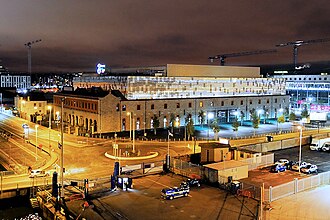
Dublin’s Docklands are often seen from the quays as a landscape of glass and cranes, but step into the narrow back-alleys and you enter a layered city: warehouses and wharves, livelihoods and loss, and a catalogue of local stories that cling to the brickwork. This guide—written for visitors who want a practical walk—maps a Docklands back-alley legends trail that links verifiable industrial and social history with the oral traditions and ghost stories that have grown up around them. Where possible the text separates recorded fact from folklore so you can enjoy both the tangible past and the atmosphere of local legend with your eyes open.
Book a guided Docklands back-alley tour with Haunted Hidden Dublin — secure your spot now
Quick facts at-a-glance
Distance: 2.5–3.5 km depending on optional detours.
Time: 90–120 minutes at a steady walking pace; allow 2–2.5 hours if you stop frequently for stories, photos, or refreshments.
Start / end points: Start at the north quays near the IFSC; finish at a quay-side café around the Samuel Beckett Bridge or the Bord Gáis area.
Difficulty: Easy to moderate. Mostly paved surfaces with some uneven cobbles in original lanes.
Best seasons: Spring and autumn for mild weather and atmosphere; early evening can be evocative but follow safety notes below.
Stop-by-stop trail: alleys, sites and what to look for
Below is a recommended route with stop names, what remains to see, and clear notes that distinguish documented history from legend. Allow roughly 10–15 minutes at each stop; linger longer where you wish.
Stop 1 — The Old Warehouse Passage
What to look for: narrow loading bays, surviving ironwork, a row of worker cottages behind the main street.
Documented history: The Docklands were a hub for warehousing and trans-shipment; these passages served horse-drawn carts and later small steam cranes. Freight records and trade directories describe storage of timber, grain, and manufactured goods in similar warehouses.
Legend: Locals tell of a night watchman who still patrols when fog rolls in—an oral tradition rather than a recorded sighting.
Stop 2 — The Forgotten Slip
What to look for: a shallow, walled inlet now partly reclaimed, with a plaque or brickwork showing past waterlines.
Documented history: Small slips and laneways gave access to the river for barges and small coasters. These were working spaces where dock labourers loaded and unloaded goods under tight contracts and harsh conditions, which shaped area demographics.
Legend: Stories of a phantom barge drifting without a crew are common. These are local tales passed down by fishermen and dockworkers, not events recorded in port logs.
Stop 3 — The Miller’s Alley
What to look for: accessways into former mill buildings, tall narrow windows and redundant hoists.
Documented history: Milling and grain storage were once prominent industries here. Evidence in the built environment—hoists, tall storage bays—corroborate trade directories and insurance maps.
Legend: A frequent tale claims a miller’s daughter fell from the roof and that her lantern can still be seen at dusk. This belongs to the area’s oral folklore and cannot be verified by records.
Stop 4 — The Distillers’ Cut
What to look for: rear alley entrances to former distillery buildings and discreet freight doors.
Documented history: Distilling was a dockside industry due to access to barley and shipping; tax and excise documents of the period reference bonded warehouses in the district.
Legend: Rumours of hidden stills and contraband spirits during hard times persist in family stories; some are corroborated by court reports elsewhere, but specific local claims remain anecdotal.
Stop 5 — The Long Row of Lodgings
What to look for: narrow tenement entrances, enclosed courtyards and a surviving communal pump or well.
Documented history: Overcrowded lodgings housed labourers and their families; municipal records and social surveys from the 19th and early 20th centuries document poor sanitary conditions and efforts at reform.
Legend: Tales of a child who vanished down a yard and later returned as a shadow are part of oral tradition—compelling as story, not as verified incident.
Stop 6 — The Railway Archways
What to look for: brick arches, freight tracks or vestigial rails, and signage indicating earlier goods depots.
Documented history: Railway sidings and tram connections served the docks, linking quayside warehouses with inland markets. This industrial infrastructure is well documented in transport histories.
Legend: Stories of phantom trams and late-night clanks are local folklore; for broader context on similar sightings in the city see Phantom Trams of Old Dublin.
Stop 7 — The Slipway Memorial
What to look for: a modest memorial or commemorative plaque and the remnant of a ramp leading to the water.
Documented history: Many slips were scenes of accidents and drownings, sometimes recorded in coroner reports. The human cost of dock work is a documented part of social history.
Legend: Some alleys are associated with specific spirits—these are retellings that merge grief and storytelling; approach them as cultural expression rather than evidence.
Stop 8 — The Quayside Finish
What to look for: views across the river, public art and modern regenerations of former industrial sites.
Documented history: The docks have undergone major redevelopment in recent decades, transforming industrial spaces into offices, residences and cultural venues; planning records and contemporary reporting cover these changes.
Legend: End-of-walk stories often connect a single haunting to the larger sweep of social change; these narratives help communities remember and humanise loss.
Dark history explained: industries, crime and social change
Documented history in Dublin’s Docklands is rooted in maritime commerce: shipbuilding, warehousing, milling, distilling and later freight railways. The docks generated employment but also precarious labour, poverty and overcrowded housing. Municipal reports and social reformers from the 19th and early 20th centuries describe health crises and calls for sanitation and housing improvements. Crime—smuggling, theft and occasional violence—was a by-product of a densely populated port economy, and court records elsewhere in the city confirm prosecutions related to contraband and theft; local oral histories often amplify these incidents into more lurid tales.
When reading or hearing a back-alley story, recognise three layers: the physical archive (maps, trade directories, planning records), contemporary reportage (newspapers, civic reports), and oral tradition (stories passed between families and communities). Each layer is valuable—archives tell us what can be verified; oral tradition tells us what mattered to people.
Local legends and ghost stories (clearly folklore)
The Docklands are rich in oral tradition: phantom barges, a night watchman who never ages, a miller’s lantern, or a shadow child wandering a courtyard. These tales circulate in pub conversations and family stories rather than in official records. They are cultural artifacts—expressions of communal memory and coping with hardship. Enjoy them as folklore: evocative, meaningful, but not documentary evidence. For related maritime legends see Dublin Port Maritime Mysteries and for coastal phenomena like the Sandymount lights see Sandymount Strand Ghost Lights.
Practical visitor tips
Safety: Stay in groups, keep to well-lit routes after dusk, and avoid isolated yards at night. Back-alleys can feel atmospheric but some are poorly lit and wet underfoot.
Lighting and surfaces: Expect uneven cobbles and occasional puddles. Bring firm-soled shoes and a small torch if you plan an evening walk.
Group sizes: Small groups of 8–15 are ideal for storytelling; larger groups should split into pairs or take headphones for commentary.
Children and dogs: The walk suits older children who can keep pace and follow safety instructions. Dogs should be on a short lead; consider skipping narrow courtyard detours with dogs present.
Photography: Respect private property and residents. Use long exposures or low ISO settings for atmospheric shots but avoid tripods in tight alleys where they obstruct others.
Guided options and booking
Haunted Hidden Dublin runs a Docklands back-alley tour that pairs historical research with local storytelling. A guided walk offers: curated route choices, historical context drawn from documents and maps, clearly flagged folklore segments, and safety oversight for small groups. Tours typically last 90–120 minutes and are led by guides who emphasise the difference between documented history and legend.
Book a guided Docklands back-alley tour with Haunted Hidden Dublin — secure your spot now
For private groups and tailored experiences—school groups, corporate events or after-hours bookings—visit the private bookings page to discuss times, group size and bespoke content: Arrange a private Docklands back-alley tour. Private tours can include deeper archival commentary or extensions into adjacent neighbourhoods.
Extensions & nearby attractions
If you want to extend the walk, consider a riverside extension toward the port facilities and maritime displays, or a detour to sites of transport history. For readers interested in transport-related folklore, the piece on Phantom Trams of Old Dublin may be of interest. For another urban mystery site within easy reach try Heuston Station Strange Sightings.
Whether you prefer to walk alone with this guide or join a group, the Docklands back-alleys reward patient attention: bricks and beams tell one story, oral tradition another. If you’d like the deeper contextual framing an experienced guide provides, consider joining a Haunted Hidden Dublin walk to hear both document-backed history and the best local legends delivered responsibly.
Book a guided Docklands back-alley tour with Haunted Hidden Dublin — secure your spot now
FAQ
How long does the Docklands Back-Alley Legends Trail take and how far is it?
Expect 90–120 minutes for the core route and about 2–2.5 hours with photo stops or pauses. Distance is roughly 2.5–3.5 km depending on detours.
Are the alleys safe to visit and is it recommended to go after dark?
Daytime visits are straightforward; after dark choose well-lit routes and stay in groups. Some alleys are atmospheric at night but can be slippery and isolated—use caution and local guidance if you are unsure.
Is the trail suitable for children, mobility-impaired visitors or large groups?
Older, responsible children can enjoy the walk. Mobility-impaired visitors may find some cobbled sections and narrow openings challenging—contact a guide to arrange an adjusted route. Large groups should split into smaller units; private tours can be tailored for accessibility needs.
Do I need a guide, and what will a Haunted Hidden Dublin guided tour add?
A guide is not essential, but Haunted Hidden Dublin offers historical context from documents and maps, safety oversight, and a clear separation between recorded history and folklore. Guided tours enrich the experience and can access lesser-known alleys while ensuring respect for residents and private property.