
Dracula and Dublin: Bram Stoker’s Roots, Local Legends & Where to Visit
Dracula and Dublin still invite curiosity because the city’s streets, institutions and folklore overlap with the early life of Bram Stoker and the kinds of tales that fed Gothic imagination. Whether you come for literary pilgrimage, atmospheric walks or a responsible look at how legend grows from place, Dublin offers tangible sites and interpretive stories — and it rewards a clear-eyed separation between documented fact and later mythmaking.
Bram Stoker’s Dublin — what is documented and what is uncertain
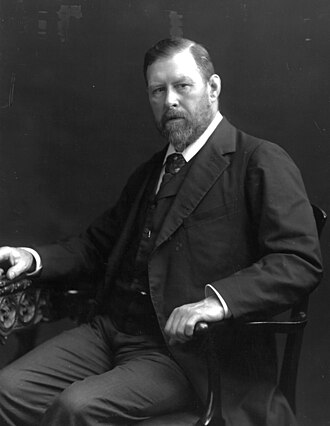
Documented: Bram Stoker was born and raised in Dublin and received his education there before taking a career that later centred on London theatre. He studied at Trinity College Dublin and was active as a Dublin writer and reviewer in his early years. Later, his professional life was closely linked to the Lyceum Theatre in London, where he worked as manager to the actor Henry Irving — a position that exposed him to the theatrical and literary currents of the late nineteenth century.
Uncertain or overstated: many walking-tour claims and souvenir plaques compress decades into neat origin stories. Specific houses are sometimes named as “the” childhood home without documentary proof, and individual street corners are occasionally credited with inspiring scenes in Dracula based on later local tradition rather than explicit records. When you visit, look for primary markers — college records, contemporary newspaper mentions, and theatre archives — rather than relying solely on hearsay.
Irish folklore vs. Dracula: which local legends resemble vampire lore and which do not
Recorded folklore in Ireland includes a rich set of supernatural beings — banshees, fairies, púca and revenants of different kinds — but the traditional Irish revenant does not map neatly onto the Eastern European vampire of nineteenth-century fiction. Classic Irish tales sometimes feature corpses that return or spirits that haunt certain places, yet these stories often serve moral, communal or seasonal functions and are embedded in very specific cultural contexts.
How legends were folded into Dracula-related storytelling: during the Victorian and Edwardian periods, collectors and writers cross-referenced continental folklore with Irish tales. That cross-pollination created later Gothic associations: a house with a banshee might be presented as “vampiric” to a tourist audience, and place-names that sound ominous in English translations can be framed to match the Dracula narrative.
Clear distinction: if a story comes from nineteenth-century Irish folklore collectors or oral tradition, treat it as folklore. If the tale appears only in twentieth-century guidebooks or tour scripts that invoke Dracula to heighten atmosphere, treat that as interpretive legend. For more on how Dublin street names and folk tales feed narrative, see Dublin Place-Names & Irish Folklore: Legends Behind the Streets and Where to See Them.
Places in Dublin linked to Stoker and to Dracula-inspired storytelling
What you can visit with a reasonable expectation of historic association, and what is interpretive:
Documented connections and safe bets
- Trinity College Dublin — Stoker’s university years are part of the documented record. Walking the campus gives a sense of the intellectual milieu that shaped many writers of his generation.
- The city and neighbourhoods of his youth — the broader districts where Stoker grew up (not necessarily a single house) offer context: the mix of Georgian streets, parks and coastal approaches that appear in contemporary descriptions of Dublin life.
- Theatres and print culture — while the Lyceum itself is in London, Dublin’s late-19th-century theatres and printrooms were part of the professional path that led Stoker to theatre management and literary production.
Sites rooted in local legend or later interpretation
- Plaques and “Dracula” walking spots — many signs and tour stops are interpretive, created to tie atmospheric corners of the city to the novel. They are valuable for storytelling but are often speculative.
- Folklore-rich streets and churches — locations where banshee stories, ghost tales or body-snatcher lore circulated are sometimes repurposed as vampire sites. For the darker social history that feeds these tales, see Body Snatchers in Dublin: The Dark History, Sites & How to Visit.
For a visitor-focused list of places that have been identified with Stoker in scholarly and popular accounts, consult our Bram Stoker Dublin: A Visitor’s Guide to Places That Inspired Dracula.
How Dublin tours and heritage sites present Dracula material — responsible storytelling and tourism considerations
Good tours clearly label what is documented, what is local folklore and what is theatrical embellishment. Responsible guides contextualise stories, explain provenance, and avoid conflating imaginative interpretations with archival facts.
Tour providers who specialise in Gothic or “dark” heritage often balance sensory atmosphere with scholarship: they will dramatise a scene but also tell you which names and places are historically attested. If you are interested in the ethical and economic side of dark tourism, see Economic impact of dark tourism in Dublin: jobs, businesses & heritage benefits.
Self-guided route and map: practical stops for visitors interested in Dracula-era Dublin
Start at Trinity College to ground yourself in Stoker’s documented Dublin. From there, a compact route for a half-day walk can include:
- Trinity College — a quick campus circuit to imagine student life and the literary networks of the era.
- St. Stephen’s Green and Grafton Street — public green spaces and commercial arteries that show the city’s civic life in Stoker’s day.
- Dublin Castle vicinity — administrative and civic buildings that anchor the city’s Georgian and Victorian presence.
- Coastal approach toward Clontarf (public transport recommended) — the shoreline and suburban landscape evoke the childhood districts associated with Stoker’s early life; views of the sea help explain why seafaring and ports appear in Gothic travel narratives.
- Sites with folklore resonance — churches, old graveyards and certain lanes where banshee and revenant tales circulated. Use caution and respect when visiting burial sites; they are living heritage.
Practical tips: wear comfortable shoes, check opening hours for college buildings, and bring a local map or offline directions if you prefer to avoid phone roaming. Many of these stops are walkable in a few hours but can be stretched into a full day with museum visits and readings.
Booking options: public walking tours and private group tours
Public Haunted Hidden Dublin tours provide scheduled departures, an atmospheric narrative that separates fact from fiction, and a social experience with like-minded visitors. Scheduled tours are budget-friendly and ideal if you want a narrated overview and the chance to ask questions on the spot.
Private group tours are best for deeper dives, custom focuses (literary Dublin, folklore, or a family-friendly version), and accessibility needs. If you are organising a school group, a special interest club or a private celebration, consider our private option: Book a private Dracula-themed group tour — https://www.hiddendublintours.com/group-tours-dublin/.
Reserve in advance during peak season. Ask about accessibility adaptations (level ground, shorter routes) and about how guides handle sensitive content such as graveyards, violent episodes in crime history or macabre stories tied to real human tragedies. For background on crime-related storytelling in the city, see Crime and Punishment in Georgian Dublin: A Visitor’s Guide.
Conclusion: making the most of Dracula-related visits — balance curiosity, accuracy and respect
“Dracula and Dublin” is most rewarding when visitors hold three things in mind: curiosity about how a city shapes imagination; scepticism about tidy origin stories; and respect for the real people and communities behind haunted façades. Use guided tours to gain context, consult documented sources where possible, and enjoy the layered atmosphere that Dublin offers — the combination of Georgian streets, coastal light and a living folklore tradition that helped make Gothic fiction resonate across generations.
FAQ
Did Bram Stoker write Dracula in Dublin?
No. Dracula was written when Stoker was an established professional, and much of his adult creative life was spent in London. He did, however, grow up in Dublin and many formative experiences and names from his Irish life contributed to his imagination. The city appears in discussions of his early influences rather than as the place where the novel itself was composed.
Are there traditional Irish vampire legends related to Dracula?
Traditional Irish folklore includes revenant and spirit tales, but these are culturally distinct from the Eastern European vampire that Bram Stoker popularised. Later Victorian and modern interpretations sometimes conflate Irish tales with continental vampire motifs, which is interpretive rather than a straight continuation of traditional belief.
What Dublin sites are must-sees for someone researching Dracula and Stoker?
Begin with Trinity College to understand Stoker’s education and the intellectual milieu. Walk the city’s Georgian districts, visit coastal areas associated with his youth, and include sites where folklore and darker social histories circulated — for example, locations referenced in local legends or in studies of Dublin’s criminal past. Our Bram Stoker Dublin: A Visitor’s Guide to Places That Inspired Dracula lays out a practical visiting list.
Can I book a private Dracula-themed walking tour in Dublin?
Yes. Private tours are available and can be tailored to your group’s interests and accessibility needs. For group bookings and customised routes, please see our private tour page: https://www.hiddendublintours.com/group-tours-dublin/. For immediate public tour reservations, use our main booking page: https://www.hiddendublintours.com/tours/.