
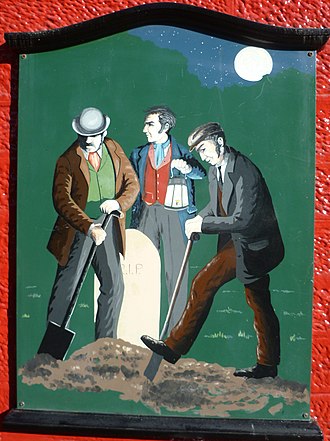
Body Snatchers in Dublin: The Dark History, Sites & How to Visit
When visitors hear the phrase “body snatchers in Dublin” they often imagine furtive figures carting corpses through foggy lanes. The reality is more complicated and rooted in the medical and legal systems of the past. For anyone curious about Dublin’s darker corners—students of medical history, lovers of folklore, or travellers drawn to grim stories—understanding where documented practice ends and myth begins makes the city’s history richer and more instructive than sensational drama alone.
Why body snatching happened in Dublin
Body snatching was driven by demand. Medical schools and surgeons needed cadavers for dissection and study, but legal supply was limited. Anatomy classes were essential to training surgeons, and where legal access fell short, a black market for bodies grew.
Social and legal factors made certain communities more vulnerable. Poverty, transient populations, and social stigma around particular burial grounds often meant graves were lightly watched. At the same time, advances in surgery and anatomy increased the appetite for human specimens, creating pressure on hospitals and colleges to obtain bodies by any means available.
Understanding this context helps visitors see body snatching not as isolated criminality but as a consequence of medical progress, constrained law, and sharp social inequality.
Documented practices vs. folklore
It’s important to separate contemporary records from later legend. Contemporary newspapers, court records, and institutional ledger books record stolen bodies, prosecutions, and explicit demand from medical institutions. These documents form the backbone of what we can reliably assert about the practice.
Folklore and sensational retellings added colour and local colour over time: ghostly smugglers, dramatic chases, or specific “haunted” grave plots. Those stories are part of Dublin’s living culture and often reflect community anxieties, but they are not always supported by archival evidence.
Good tours and museums distinguish clearly between documented cases and the legends that grew around them. If you enjoy the folkloric side, you can explore it alongside the facts—see our pieces on Dublin folklore and plague history for how stories and outbreaks shaped local imagination and memory: Dublin Folklore Stories: A Walker’s Guide to Legends & Where to See Them and Plague History Dublin: How Outbreaks Shaped the City.
Medical institutions and physical evidence
If you want to follow the documentary trail, look to medical colleges, their museums, and institutional archives. Anatomy schools kept registers of specimens, receipts for bodies, and correspondence that reveal shortages and the ethical debates of their day.
Museums attached to medical schools—most notably surgeons’ museums and anatomical collections—preserve instruments, teaching aids and sometimes specimens that illustrate how anatomy was taught. The Royal College of Surgeons and similar institutions have long traditions of collecting and can offer tangible context.
Archivists and curators are crucial: they can point you to primary records, explain how collections were acquired, and help you interpret items that might otherwise be read only as sensational curiosities. For the practical side of running dark-history tours and the liabilities involved, there are helpful guides like Insurance for Dublin dark tour guides: what to buy and why it matters that explain why professional tours operate the way they do.
Sites in Dublin you can visit today
Several public sites allow visitors to trace the story in stone and archive. Historic cemeteries provide a window into burial practices and social hierarchies; church crypts and city graveyards preserve the physical context where sleepless watchers were once posted.
St. Michan’s Church, with its centuries-old crypts, is an atmospheric place to appreciate how communities dealt with death and preservation. Glasnevin Cemetery and other historic cemeteries offer guided tours and records that help visitors understand who was buried where and why certain graves were more vulnerable than others.
Medical museums and college displays show the classroom side of the story. While curated exhibits avoid gratuitous sensationalism, they do explain how anatomy teaching evolved and why cadavers were in demand. Larger museums sometimes include related social history exhibits that locate medical practice within urban life.
Finally, civic archives and university libraries hold the documentary traces: ledgers, court reports and correspondence that document thefts, prosecutions, and the debates that led to legal reform.
How to explore the topic respectfully
There’s a balance between curiosity and sensitivity. When visiting cemeteries, observe signs, stay on paths, and treat grave markers and memorials with care. Many sites remain active places of remembrance for families and communities.
Photography can be acceptable, but check local rules—some churches and museums restrict flash or close-up images of fragile objects. Avoid taking photos that intrude on mourners or trivialise human remains.
Think about why you want to visit. If your interest is historical, focus on documented sources and the broader social story. If you are drawn to folklore, treat those legends as cultural expressions rather than literal truth. For complementary reading and routes that explore how disease and death shaped Dublin, our Black Death walking tour and haunted-pub guide offer related perspectives: The Black Death in Dublin: A Dark‑History Walking Tour and Which Is the Most Haunted Pub in Dublin? A Visitor’s Guide.
What a themed walking tour covers (and why a guide adds value)
A guided dark-history walk traces the practical, legal and human strands of the story. A good guide points out surviving places that relate to anatomy schools and burial grounds, reads from contemporary accounts, and explains how the city’s institutions responded.
Guides also help separate evidence from embellishment. They can show you where to find archival materials, suggest museums and reading lists, and explain etiquette at sensitive sites. Tours are curated to be immersive without being exploitative: you’ll hear about the medical need that fuelled the trade, the people most affected by it, and how legal reforms eventually changed practice.
Practical tips for visitors
Most tours operate year‑round but check seasonal schedules. Early evenings in shoulder seasons create atmosphere without crowds. Wear comfortable shoes—many sites involve cobblestones and steps.
Bring a small torch if you’re visiting crypts or dim museum rooms, but respect any lighting rules. Carry waterproof layers: Dublin weather changes fast. If you plan to consult archives or request records, check opening hours and any access requirements in advance.
If you are planning a private or group visit, we offer tailored sessions for schools, university groups and private clients—see our options for group bookings here: Private group tours and bookings.
FAQ
Were there really body snatchers operating in Dublin?
Yes. Contemporary records—newspaper reports, court files and institutional accounts—document instances of stolen bodies and the pressure on medical schools to obtain cadavers. That historical record distinguishes actual events from later embellishment.
Which Dublin sites or museums show evidence of body snatching and medical history?
Evidence appears in medical college museums and archives, surgeons’ collections, and civic repositories. Historic cemeteries and church crypts help contextualise burial practices. Curators and archivists at these institutions can direct you to relevant materials and displays.
Is visiting cemeteries and medical institutions to learn about this legal and respectful?
Yes, when done with permission and sensitivity. Follow posted rules, avoid disturbing graves, and be mindful of other visitors. Museums and colleges may have access rules for fragile or restricted material—ask staff before taking photographs or handling items.
Do you offer guided tours that cover this topic and how do I book one?
Hidden Dublin Walking Tours and Haunted Hidden Dublin offer dark-history walks that explore medical and burial history in the city. Book a public tour or arrange a private group through our booking pages: Book a Dark History walking tour in Dublin to explore these sites and stories: https://www.hiddendublintours.com/tours/ and for private groups visit Private group tours and bookings.