
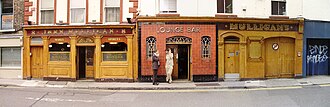
Lesser-Known Ghost Stories from Dublin Pubs: Separating Legend from History
Dublin’s pubs are living rooms, stages and archives all at once. Warm light, timbered bars and long human occupation make them focal points for memory—grief, celebration and the odd dark episode—and that combination is fertile ground for ghost stories that travel fast. For visitors who want atmosphere without credulity, this guide separates what can be traced in records (newspapers, court and coroner files, trade directories and parish registers) from tales that exist only in oral tradition or late retellings, and offers a short evening pub-crawl to sample the mood in person.
Book a Haunted Hidden Dublin pub tour — join a guided walk that brings context to pub stories and shows you what survives in the archives versus what grew from storytelling.
Why Dublin pubs are fertile ground for ghost stories
Pubs are public spaces with private moments: births, weddings, fights, deaths and late-night confessions. Buildings often sit on sites with long histories, so layers of use and memory accumulate. Add dim light, a hearing population that likes a good tale, and the modern appetite for atmospheric experiences, and you get a steady stream of ghost stories. For tourism, that mix is valuable: an evening in a pub can feel theatrical without any supernatural event at all.
How we judge a ghost story
When investigating a pub story we look for contemporaneous records. The most useful sources are:
- Newspapers: sudden deaths, violent incidents and inquests were often reported in local press.
- Coroner and court records: inquests, trials and sentencing provide official accounts of incidents.
- Trade directories and rate books: these record a pub’s existence, name changes and proprietors across decades.
- Parish registers and civil records: births, baptisms, marriages and burials can corroborate family or personal details mentioned in stories.
Red flags for pure folklore include: a story that only appears in late guidebooks or tour literature, contradictory versions with fanciful elements (visions, precise prophetic incidents) and an absence of contemporaneous reporting for an event described as sensational. Where a tale is only oral tradition, we mark it as folklore and look for when the tale first appears in print.
Case studies: four lesser-known pub stories
1. The “cellar shadow” at an Old Lesser-Known Inn
The tale: Staff and patrons report a shadowy figure in a back cellar, sometimes blamed on a former employee who allegedly died there. The story circulates in recent decades among locals and on walking-tour message boards.
Documented footprint: Trade directories confirm a long-running beerhouse at the address; however, searches of 19th- and early 20th-century newspapers and coroner records turned up no reported death in the cellar. The only evidence of the tale in print appears in late 20th-century tourism literature and oral recollections.
How the legend developed: This is a typical example of folklore: an atmospheric cellar plus isolated reports of unexplained noises form the seed, and successive retellings add a named character and a violent backstory. Visitors today see old stonework, low ceilings and a staff used to curious questions—no archival corroboration links a death to the cellar.
2. The “soldier at the bar” in a Georgian tavern
The tale: A uniformed soldier is said to appear most often on anniversary dates of a battle. The bar displays old military photographs, which seem to encourage the association.
Documented footprint: The pub occupies buildings that appear in 19th-century commercial listings; photographs in the pub are family items and not archival military records. Searches of military and local newspapers show no record of a soldier’s death in the premises. Here, the physical presence of military memorabilia likely transformed unrelated memories into a ghost story.
How the legend developed: Memory and ornament. Without coroner or court records to support the story, this remains folklore; the verified historical trace is the pub’s long-standing trade presence, not an in-house fatality.
3. A tragic argument remembered as a haunting in an early-20th-century public house
The tale: A lovers’ quarrel allegedly ended in a sudden death; patrons say they’ve felt the emotional charge linger.
Documented footprint: Unlike the previous two cases, this story has a partial documentary trail. A local newspaper report from the period refers to an argument nearby that resulted in a death, and coroner records note an inquest linked to people who frequented the area. The records do not, however, place the fatal incident squarely inside the pub itself. That ambiguity is common: a violent episode at or near a pub can be folded into the pub’s own narrative over time.
How the legend developed: The documented inquest provides a factual anchor; oral transmission and later retellings locate the tragedy inside the establishment, creating a stronger claim for haunting than the records strictly support. Visitors today encounter commemorative items and staff anecdotes that preserve the emotional memory without conclusive proof of an in-pub death.
4. The “old landlord” who never left — a marketing-friendly tale
The tale: Patrons assert that a former landlord remains attached to “his” barstool and appears to new customers.
Documented footprint: The name of the former landlord appears in late-19th-century directories and in a few family notices, confirming the individual’s existence and long tenure. There is no coroner or newspaper evidence of an unusual death connected to the pub. The story’s modern form appears in guidebooks and pub promotional copy, where a ghostly landlord is an attractive selling point.
How the legend developed: This is a clear case of marketing and folklore colliding. A well-loved landlord becomes a character in storytelling, and the lore solidifies once it’s printed and repeated. The historical record confirms the person; the supernatural element rests on folklore and later embellishment.
A short evening pub-crawl route (90–120 minutes)
This route favors atmosphere, short walking distances and pubs with layered histories. Timings assume relaxed pints and brief stops for stories at each venue.
- Start early evening at your first pub (20–30 minutes) — arrive while it’s still light enough to appreciate architecture. This first stop gives context and a measured start.
- Walk 5–10 minutes to the second pub (20–30 minutes) — a lively spot with room for stories. Good time for your main pint and to ask staff about oral traditions.
- Walk 5–15 minutes to the third pub (20–30 minutes) — a quieter, older interior for atmosphere. This stop is ideal for the darker tales and low-light photography attempts.
- Finish at a fourth venue or a late-night coffee nearby (10–20 minutes) — wrap up with summary notes and reflections.
Walking distances are usually short in central Dublin. Taxis and public transport are plentiful if weather or mobility needs require alternatives. For larger groups or special needs consider a private booking; see details under accessibility and group planning below.
Practical tips for visiting haunted pubs
Etiquette is essential: staff are working, and regulars are locals. Keep noise reasonable, ask permission before photographing interiors, and avoid insisting on “occult investigations” during busy hours.
Photography and low-light tips: Use a fast lens and higher ISO rather than a flash that disturbs other customers. For a small starter kit, see our piece on a Budget Night Photography Kit for Dublin Ghost Hunting which covers practical gear and tips suitable for pub interiors.
Drink responsibly. A pub crawl is about atmosphere; pacing means you finish the evening with good memories rather than regrets. If a story feels personal or distressing to staff, respect their boundaries—some incidents, when real, connect to family histories.
Accessibility, safety and legal notes for groups
Check accessibility in advance: many historic pubs have steps and narrow doorways. Staff can often accommodate mobility needs if given notice. For larger groups or untypical requests (after-hours, private storytelling), book a private tour through our group booking page: private group tours.
For legal and safety reasons, do not attempt entry to back rooms or cellars without permission. Respect opening hours and crowd-control measures; pubs can be busier than expected on match days or weekends.
Commercial close: why a guided Haunted Hidden Dublin pub walk adds depth
A guided walk brings interpretive context: we show you where the archival traces begin, explain which elements are documented and which are later storytelling, and provide a safe, respectful way to experience evening atmospherics. If you want the balance of atmosphere and evidence, a guide keeps the tour honest while still immersive. Book a Haunted Hidden Dublin pub tour to join a small-group evening walk led by researchers who use newspapers, court and coroner records, trade directories and parish registers to separate history from legend.
If you’re planning a private or corporate evening, consider bespoke arrangements and routes that suit mobility and group size: Book a private Haunted Hidden Dublin pub walk for customised itineraries and exclusive insights.
Further reading and related walks
To place pub stories in wider civic context, our walk on Public Punishments in Old Dublin explains how public rituals and legal sanctions shaped urban memory. For crime and execution contexts that often feed pub lore, see Executions in Dublin History and Medieval Dublin Crime. Our practical guide to historic pubs is here: Old Dublin Pubs with Ghost Stories: A Visitor’s Guide.
FAQ
Are the ghost stories from Dublin pubs actually true?
Some elements of stories can be traced to documentary records such as newspapers, coroners’ inquests or trade directories; others are folklore that emerged long after the events they describe. We parse each story by looking for contemporaneous evidence; when that evidence is absent, the tale is best treated as local folklore rather than verified fact.
Can I do a self-guided haunted pub crawl, or should I book a guided tour?
You can do a self-guided crawl—many visitors enjoy wandering and asking staff about stories—but a guided tour adds historical context and keeps the evening respectful of staff and regulars. If you want curated background and archival perspective, consider booking a guided walk: Book a Haunted Hidden Dublin pub tour.
What should I bring for an evening visiting haunted pubs in Dublin?
Bring a charged phone (or a small camera with a fast lens), comfortable shoes for cobbled streets, a compact umbrella, and cash/card for drinks. If you plan photography, read our Budget Night Photography Kit guide.
Are pub ghost tours suitable for children or family groups?
Many tours are suitable for older children and families if content warnings are respected; haunted pub themes sometimes touch on violence or death, so check the tour description and consider a private tour if you need a gentler or customised experience. For group bookings and tailored itineraries, see private group tours.