
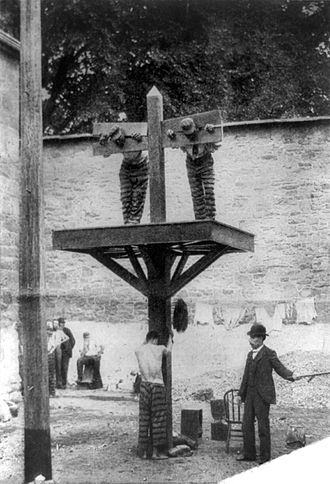
Public Punishments in Old Dublin: A Walking Guide to Sites & Social Rituals
Public punishments in old Dublin were civic theatre: staged rituals that enforced law, signalled moral boundaries and provided spectacle for a curious city. From stocks and pillory to public shaming and judicial whippings, these punishments were as much social events as legal sentences. This guide traces where those rituals were concentrated in the urban fabric, explains how they fit into early modern and 19th‑century civic life, and offers a practical walking route with pointers for interpreting surviving traces and separating documented fact from colourful legend.
What counts as a public punishment?
“Public punishments” is an umbrella term for penalties deliberately carried out in view of the community. Common forms included the stocks and pillory, which restrained the body for humiliation; whipping and the birch, administered publicly at a courthouse or market; branding or mutilation in some legal contexts; and sustained shaming rituals such as the ducking stool or parading the offender through the streets. Execution was a related but distinct category; for visitors interested in that darker corner of civic ritual, see our walking guide on executions in the city.
Legal and social context: who was punished, and why
Punishments were meted out by civic authorities—magistrates, sheriffs and local courts—often to maintain visible order in dense urban environments. Offences ranged from petty theft and debt to moral infractions like prostitution and drunkenness. Punishment served several civic functions: retribution, deterrence, restitution (when fines or public apologies were required), and the reaffirmation of social hierarchies.
Participation in the spectacle varied. Market‑goers, residents and travelling visitors might gather; local officials used the occasion to demonstrate municipal power; clergymen sometimes invoked moral lessons. Although contemporary commentators sometimes decried the cruelty of public whippings or branding, many civic leaders saw open punishment as a necessary and practical tool for managing urban life.
Mapping a walking route: where to look in the modern city
Many of the places connected with public punishments sit in the oldest parts of Dublin: civic centres, marketplaces and the streets around courthouses. A compact walking route will take you through the medieval core and the later court quarter, linking locations where records and place‑memory point to punishments being staged.
Suggested route highlights
- The medieval civic heart and castle area — a hub for municipal justice and proclamations.
- Market squares and lanes — spaces that once hosted pillories or public shaming because they guaranteed an audience.
- The court quarter along the river and near major legal institutions — where sentences were pronounced and sometimes carried out.
- Sites later absorbed into modern development where traces survive in plaques, street patterns or building fabric.
On the ground you will often find no dramatic reconstructions; instead look for concentric layers of evidence: surviving pillory stones relocated to museums, plaques, old court buildings and market spaces. Pairing those physical clues with archival traces produces the most convincing picture.
Reading the street: surviving traces, plaques and archival leads
What survives varies. In some cases museums and city collections hold fragments—wooden stocks, chains or references in civic inventories. Elsewhere, city plaques mark where a gallows, pillory or whipping post once stood. Street names and lane alignments may preserve memory too, even when the original fixture is long gone.
Practical tips for visitors
- Look for small museum displays or local history panels near medieval sites: they often summarise documented incidents and neighbourhood practice.
- Examine building corners and archways for reused stonework; re‑used stones sometimes carry marks associated with public facilities.
- Use contemporary court and corporation minutes (quoted by reputable guides) as anchors for claims; guides who reference specific archival sources are more reliable.
For a deeper dive into how crime and punishment operated in earlier centuries, pair this walk with our Medieval Dublin Crime guide which traces law and punishments through the medieval streets.
Medieval Dublin Crime: A Walking Guide to Law, Punishments & Sites
Separating documented history from folklore and legend
Walking the city you will encounter two narratives: one rooted in court rolls, corporation records and contemporary newspapers; the other formed from oral memory, ghost stories and popular myth. Distinguishing them matters for both accuracy and responsible interpretation.
How to tell the difference
- Documented history: anchored to named actors, institutions, legal processes, or surviving references in archival sources. Reliable claims are often repeatable in municipal records or early newspapers cited by historians.
- Folklore and legend: dramatic anecdotes, ghostly attributions or stories that lack corroborating records. These can be compelling and culturally meaningful, but should be introduced as local memory rather than fact.
On our Haunted Hidden Dublin walks we flag clearly when a tale is documentary and when it is part of oral tradition or legend. For related folklore around pubs and nightly storytelling, see our visitor guide to old Dublin pubs with ghost stories and our piece on haunted bars for pub‑crawl context.
Old Dublin Pubs with Ghost Stories: A Visitor’s Guide | Haunted Bars in Dublin: History, Legends and a Practical Pub‑Crawl Guide
Visitor guidance: respectful interpretation, photography and accessibility
These sites touch on shame, punishment and sometimes violence. Responsible visiting means balancing curiosity with sensitivity.
- Respectful interpretation: avoid sensationalising suffering. Present history in ways that acknowledge victims and social context.
- Photography: public spaces are generally fine for photos, but be mindful of signage and memorials. If you plan low‑light or night photography, our budget night photography kit article offers practical tips for safe, unobtrusive shooting.
- Family considerations: decide in advance whether children should participate; some elements are explicit and may require parental framing.
- Accessibility: much of Dublin’s historic core is cobbled and uneven. Routes can be adapted to avoid steep alleys and steps; read the accessibility notes on booking pages or contact us for tailored options.
Budget Night Photography Kit for Dublin Ghost Hunting — Practical Gear & Tips
Further reading and how to see the sites on a guided tour
If you want to experience these places with context, a guided walk is the best option. A knowledgeable guide will point out surviving physical traces, quote primary records where available, and separate folklore from documented events so you understand both the civic ritual and the community response.
If you are planning a private or corporate visit, we offer tailored group tours that adapt routes and commentary for audiences with specific interests or mobility needs. For private bookings, enquire here: Private group bookings with Haunted Hidden Dublin.
FAQ
Are the sites of public punishments suitable for children or sensitive visitors?
That depends on age and sensitivity. The physical sites are public spaces and safe to visit, but the stories can be distressing. Consider shorter, toned‑down routes for younger children and flag sensitive material in advance. Guided tours can be adapted to suit families.
Can I still see original pillories, stocks or other physical artefacts in Dublin today?
Original fixtures are rare. Some museums and city collections preserve related artefacts or fragments, while many former sites are marked only by plaques or by their position in historic market squares. A guide will point out where material evidence survives and where we rely on documentary sources.
How do you distinguish documented punishment records from folklore on a tour?
Good guides explain the basis for each claim. Documented material is tied to court records, corporation minutes or contemporary reporting; folklore is introduced as oral tradition or popular legend. We make those distinctions explicit during walks, so you know which elements are archival and which belong to community memory.
Are the suggested walking routes accessible for people with mobility needs?
Parts of Dublin’s historic core are cobbled and uneven, and some lanes have steps. Routes can be adjusted to improve accessibility—longer loops can be shortened, and steep alleys avoided. Contact us in advance for a tailored route to suit wheelchairs or reduced mobility; private group options are ideal for customised itineraries.